THE ADVENTURE COLLECTIVE® · Independent discovery and booking for outdoor travel

A three-day trek into the High Atlas that follows terraced valleys, river gorges, and traditional Berber hamlets. Expect shaded pine corridors, agricultural terraces, and guided cultural exchanges with local communities.
A three-day trek into the High Atlas that follows terraced valleys, river gorges, and traditional Berber hamlets. Expect shaded pine corridors, agricultural terraces, and guided cultural exchanges with local communities.
Morning light slices through juniper and pine as you step off the minivan and into a cool, fragrant corridor of the High Atlas. The trail threads between terraced fields and rocky ribs of the mountains, rivers daring you to step closer to their gravelly banks. Over three days you move through groves of cherry and walnut, cross deep gorges where wind scours the stone, and arrive at compact Berber hamlets where children wave from flat roofs.
Verified experiences and guided adventures in the surrounding area.
Operated by Trek in Atlas · Marrakech, Marrakesh-Safi
Morning light slices through juniper and pine as you step off the minivan and into a cool, fragrant corridor of the High Atlas. The trail threads between terraced fields and rocky ribs of the mountains, rivers daring you to step closer to their gravelly banks. Over three days you move through groves of cherry and walnut, cross deep gorges where wind scours the stone, and arrive at compact Berber hamlets where children wave from flat roofs.
These valleys carry layers of history: millennia-old terrace agriculture carved into steep slopes, and a living Berber culture shaped by pastoralism and seasonal crop rotations. Geologically, the High Atlas is a young, uplifted fold of limestone and schist; you’ll notice abrupt ridgelines and river-cut gorges that funnel weather and life through narrow corridors. Local guides translate not only language but landscape—explaining crop cycles, irrigation channels and the social rhythms of village life.
Practically, expect moderate days of hiking with steady ascents and descents, shaded breaks under conifers, and simple village lodgings or guesthouses each night. Bring layered clothing for temperature swings, solid boots for rocky trails, and at least 2–3 liters of water per day. Plan hikes for morning and late afternoon to avoid midday heat; carry cash for small purchases in villages.
This trek balances culture and terrain: you’ll leave footprints on the terraces and take home stories from families who have farmed these slopes for generations. Travel light, tread respectfully, and the mountains will reveal both their views and their people.
moderate.
3 days (approx. 77 hours including transit).
Suitable for hikers with regular cardio fitness who can manage 4–7 hours walking per day with elevation changes.
Moderate fitness is sufficient; expect multiple days of hiking with steady climbs and descents—regular walkers who can sustain 4–7 hours of hiking a day should be fine.
Accommodations are simple guesthouses or family-run lodgings typical of Atlas villages, with shared rooms and basic amenities as described in the itinerary.
Yes—breakfast, lunch, dinner and tea/coffee are included; expect local fare based on barley, vegetables and stews, with picnic lunches on the trail.
This trek stays at moderate elevations lower than summit routes like Toubkal; altitude issues are uncommon, but inform your operator of any health concerns and ascend at an easy pace.
The High Atlas has been home to Amazigh (Berber) communities for centuries; their terrace agriculture and transhumant practices shape both landscape and local culture.
Stick to established paths, pack out waste, and minimize water use; responsible trekking supports village economies while reducing erosion and pressure on scarce water resources.
Trek in Atlas operates guided outdoor trips and adventures with an emphasis on safety, stewardship, and memorable experiences.

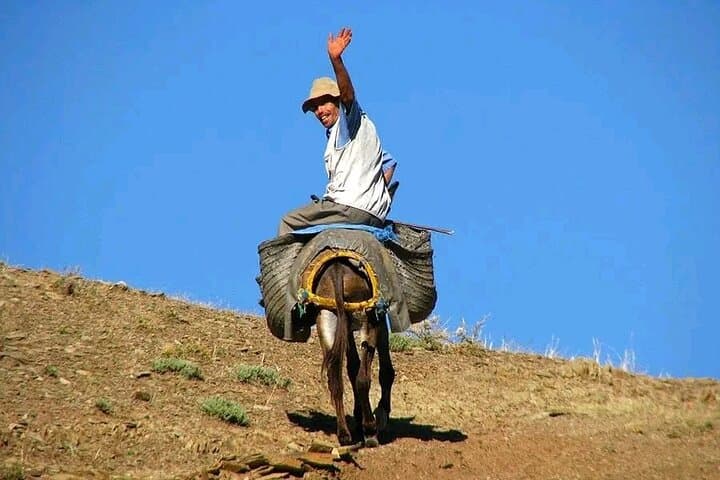
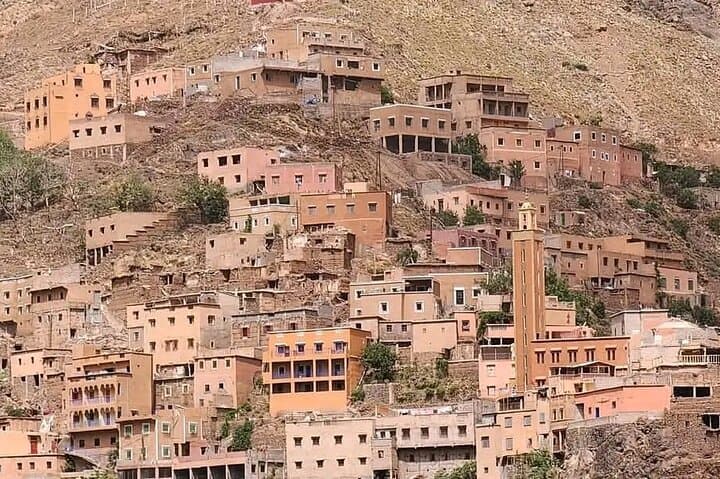

Morning light slices through juniper and pine as you step off the minivan and into a cool, fragrant corridor of the High Atlas. The trail threads between terraced fields and rocky ribs of the mountains, rivers daring you to step closer to their gravelly banks. Over three days you move through groves of cherry and walnut, cross deep gorges where wind scours the stone, and arrive at compact Berber hamlets where children wave from flat roofs.
Morning light slices through juniper and pine as you step off the minivan and into a cool, fragrant corridor of the High Atlas. The trail threads between terraced fields and rocky ribs of the mountains, rivers daring you to step closer to their gravelly banks. Over three days you move through groves of cherry and walnut, cross deep gorges where wind scours the stone, and arrive at compact Berber hamlets where children wave from flat roofs.
These valleys carry layers of history: millennia-old terrace agriculture carved into steep slopes, and a living Berber culture shaped by pastoralism and seasonal crop rotations. Geologically, the High Atlas is a young, uplifted fold of limestone and schist; you’ll notice abrupt ridgelines and river-cut gorges that funnel weather and life through narrow corridors. Local guides translate not only language but landscape—explaining crop cycles, irrigation channels and the social rhythms of village life.
Practically, expect moderate days of hiking with steady ascents and descents, shaded breaks under conifers, and simple village lodgings or guesthouses each night. Bring layered clothing for temperature swings, solid boots for rocky trails, and at least 2–3 liters of water per day. Plan hikes for morning and late afternoon to avoid midday heat; carry cash for small purchases in villages.
This trek balances culture and terrain: you’ll leave footprints on the terraces and take home stories from families who have farmed these slopes for generations. Travel light, tread respectfully, and the mountains will reveal both their views and their people.