THE ADVENTURE COLLECTIVE® · Independent discovery and booking for outdoor travel

Three days of high-Atlas walking from Marrakech through Imlil and Azzaden combine steep passes, walnut orchards and family-run guesthouses. Expect forested ascents, mule-supported transfers, and close cultural encounters with Berber villages.
Three days of high-Atlas walking from Marrakech through Imlil and Azzaden combine steep passes, walnut orchards and family-run guesthouses. Expect forested ascents, mule-supported transfers, and close cultural encounters with Berber villages.
A cool morning lifts off the plains outside Marrakech and the road narrows into switchbacks. Within an hour the city noise thins and the High Atlas rises, its ridgelines pushing clouds aside as you step out in Imlil. The first day’s trail climbs through oak and pine, skirting irrigated terraces and walnut groves while views open onto Toubkal’s snow-capped silhouette.
Verified experiences and guided adventures in the surrounding area.
Operated by astara tours · Imlil, Marrakech-Safi
A cool morning lifts off the plains outside Marrakech and the road narrows into switchbacks. Within an hour the city noise thins and the High Atlas rises, its ridgelines pushing clouds aside as you step out in Imlil. The first day’s trail climbs through oak and pine, skirting irrigated terraces and walnut groves while views open onto Toubkal’s snow-capped silhouette.
These valleys have been lived in by Berber communities for centuries; stone terraces and irrigation channels trace a practical agricultural history shaped by steep geology and seasonal snowmelt. The rock here is mostly volcanic and metamorphic, carved into gullies and passes that shepherd shepherds and mules along timeworn routes. Culture is tactile: guesthouse kitchens fill with tagines and mint tea, and muleteers move luggage along narrow paths.
Expect three days of sustained walking—forest tracks, shepherd trails, and steep switchbacks with altitude gains to about 2,480 m at Tizi Mazzik. Nights are spent in family-run guesthouses (basic but warm), with opportunities for a traditional hammam. Weather can flip quickly; mountains push winds and storms through the passes.
Practical guidance: bring sturdy hiking boots, layered clothing for cold mornings and sun in exposed passes, and a daypack with hydration for 4–6 hour daily hikes. If you’re not used to altitude, steady pacing and extra rest help; guides and muleteers handle luggage. Respect local customs—ask before photographing people—and carry out waste. This trek balances cultural exchange and high-mountain scenery, giving hikers a hands-on way to experience the living landscape of the Atlas.
moderate.
3 days (4–6 hours/day).
Good cardiovascular fitness and regular hiking experience help; able to handle sustained uphill and uneven terrain.
Expect 4–6 hours of walking per day with sustained climbs to passes around 2,000–2,480 m; fitness for moderate uphill hiking is recommended.
Nights are in family-run guesthouses that are basic—mattress, blanket, shower available—but meals are home-cooked and hearty.
Yes; guides and guesthouses commonly provide vegetarian or other diet options if notified in advance.
No; muleteers transport main luggage between overnight stops—carry a daypack with what you need for the day.
Berber communities have farmed these valleys for generations; terraces and irrigation channels reflect centuries of adaptive mountain agriculture.
Stick to established trails to protect fragile alpine soils and use local guides—many communities engage in sustainable tourism that supports trail maintenance and cultural preservation.
astara tours operates guided outdoor trips and adventures with an emphasis on safety, stewardship, and memorable experiences.
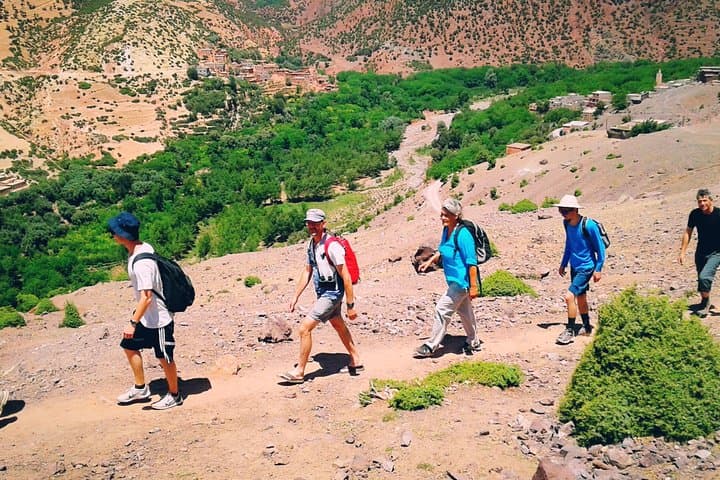
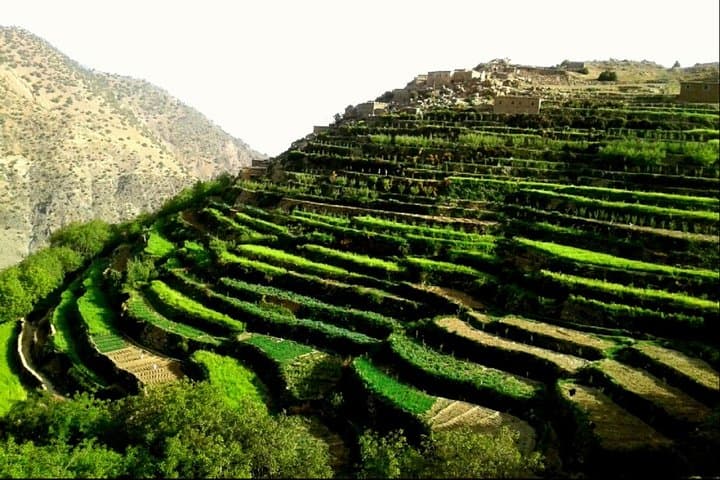
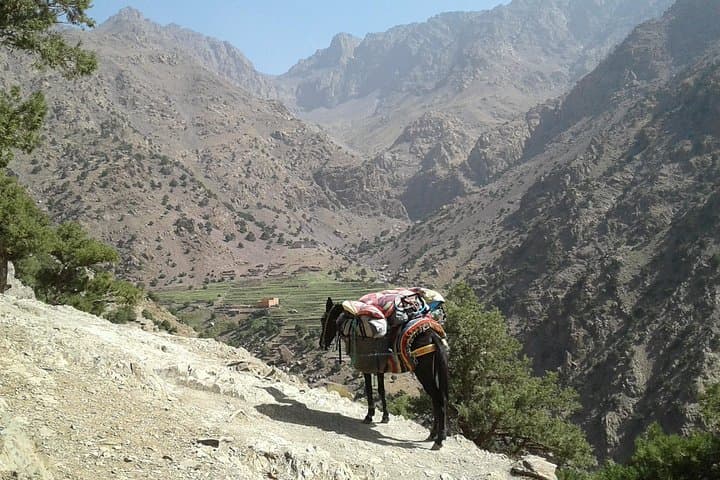
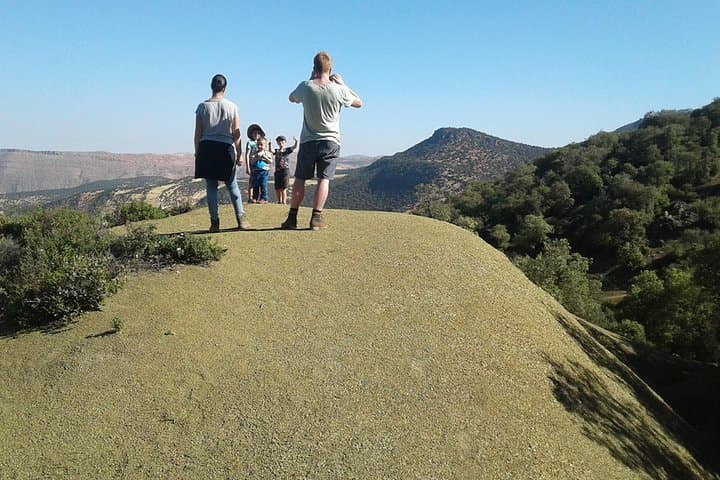
A cool morning lifts off the plains outside Marrakech and the road narrows into switchbacks. Within an hour the city noise thins and the High Atlas rises, its ridgelines pushing clouds aside as you step out in Imlil. The first day’s trail climbs through oak and pine, skirting irrigated terraces and walnut groves while views open onto Toubkal’s snow-capped silhouette.
A cool morning lifts off the plains outside Marrakech and the road narrows into switchbacks. Within an hour the city noise thins and the High Atlas rises, its ridgelines pushing clouds aside as you step out in Imlil. The first day’s trail climbs through oak and pine, skirting irrigated terraces and walnut groves while views open onto Toubkal’s snow-capped silhouette.
These valleys have been lived in by Berber communities for centuries; stone terraces and irrigation channels trace a practical agricultural history shaped by steep geology and seasonal snowmelt. The rock here is mostly volcanic and metamorphic, carved into gullies and passes that shepherd shepherds and mules along timeworn routes. Culture is tactile: guesthouse kitchens fill with tagines and mint tea, and muleteers move luggage along narrow paths.
Expect three days of sustained walking—forest tracks, shepherd trails, and steep switchbacks with altitude gains to about 2,480 m at Tizi Mazzik. Nights are spent in family-run guesthouses (basic but warm), with opportunities for a traditional hammam. Weather can flip quickly; mountains push winds and storms through the passes.
Practical guidance: bring sturdy hiking boots, layered clothing for cold mornings and sun in exposed passes, and a daypack with hydration for 4–6 hour daily hikes. If you’re not used to altitude, steady pacing and extra rest help; guides and muleteers handle luggage. Respect local customs—ask before photographing people—and carry out waste. This trek balances cultural exchange and high-mountain scenery, giving hikers a hands-on way to experience the living landscape of the Atlas.