THE ADVENTURE COLLECTIVE® · Independent discovery and booking for outdoor travel

See Aswan and Luxor’s must-see temples and Abu Simbel over three efficient days with flights and private transfers included. This guided package pairs UNESCO-era rescue history with hands-on Egyptology and manageable walking between iconic sites.
See Aswan and Luxor’s must-see temples and Abu Simbel over three efficient days with flights and private transfers included. This guided package pairs UNESCO-era rescue history with hands-on Egyptology and manageable walking between iconic sites.
You step off the morning flight and the Nile greets you with a dusty, bright hush; palm shadows move slow across the river as the ruin-strewn banks wait. Over three days the itinerary pushes you between two eras: the living streets of Aswan and the monumental ruins of ancient Thebes at Luxor, with Abu Simbel’s carved colossi anchoring the program.
Verified experiences and guided adventures in the surrounding area.
Operated by Nile Prince Travel · Luxor, Luxor Governorate
You step off the morning flight and the Nile greets you with a dusty, bright hush; palm shadows move slow across the river as the ruin-strewn banks wait. Over three days the itinerary pushes you between two eras: the living streets of Aswan and the monumental ruins of ancient Thebes at Luxor, with Abu Simbel’s carved colossi anchoring the program.
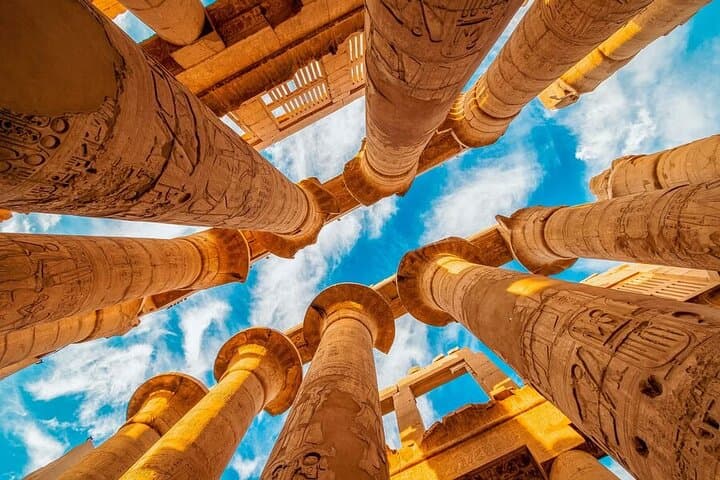
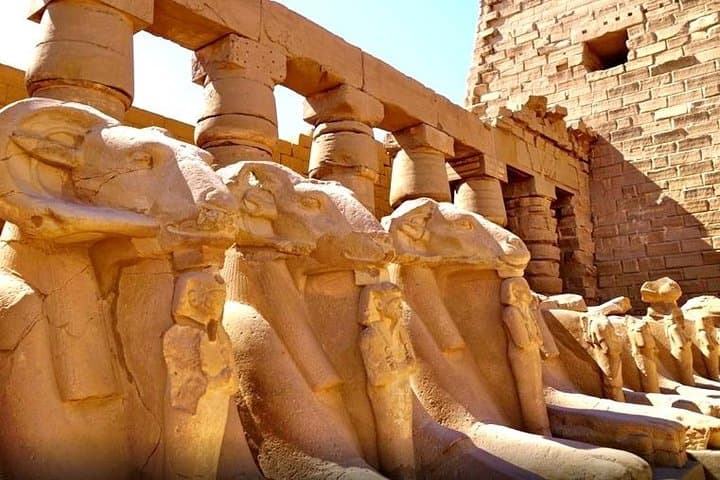
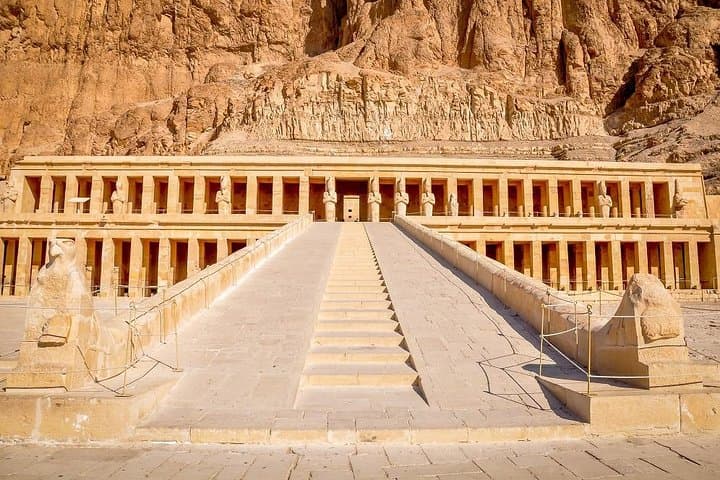
The landscape here is geology and history made visible — sandstone cliffs, alluvial plains and the broad slow ribbon of the Nile that once dictated the rhythm of life and worship. Philae’s relocated temple speaks to 20th-century engineering and UNESCO’s Nubia Campaign; Karnak and Luxor Temple map the New Kingdom’s political theology; the Valley of the Kings cuts into limestone, preserving tombs carved for eighteen-to-twentieth dynasty pharaohs.
Culturally expect polite, practical interaction with guides — Egyptologists who thread reliefs into stories of kingship, ritual and the river’s seasonal temper. Local life still orbits the Nile: feluccas, corniche cafés and markets where spices and dates scent the air.
Practical guidance: this package includes flights, transfers, a qualified Egyptologist and two nights’ four-star lodging, so physical demands are light but require comfortable walking on uneven ground and stairways in temple complexes. Carry sun protection, a refillable water bottle, and lightweight layers for cool desert mornings. Aim for early visits to the Valley of the Kings to avoid midday heat and crowds. Respect signage and fragile reliefs; handheld flash photography rules vary at each site. With straightforward logistics taken care of, the trip is about pacing — give the stones time to speak.
easy.
3 days.
Light fitness required — able to walk on uneven paths and climb short temple stairways.
Many transport options and accessible transfers are provided, but some temple sites and tombs contain stairs and uneven surfaces; check specific accessibility needs in advance.
Yes — round-trip flights from Cairo to Aswan and from Luxor to Cairo are included in the package price.
Most visitors to Egypt require a visa and up-to-date routine vaccinations; confirm requirements with your embassy and health provider prior to travel.
Expect several hours of on-foot exploration each day, typically short to moderate walks across temple complexes and stairs inside tombs; pace is flexible and guided.
The route threads Upper Egypt’s central role in the New Kingdom — Thebes (modern Luxor) functioned as a political and religious capital, while Abu Simbel and Philae reflect pharaonic power and the 20th-century rescue of Nubian monuments.
The Nubia Campaign and ongoing site management aim to protect monuments from rising waters and tourism impact; visitors should stay on marked paths, avoid flash photography where prohibited and minimize plastic waste.
Nile Prince Travel operates guided outdoor trips and adventures with an emphasis on safety, stewardship, and memorable experiences.

You step off the morning flight and the Nile greets you with a dusty, bright hush; palm shadows move slow across the river as the ruin-strewn banks wait. Over three days the itinerary pushes you between two eras: the living streets of Aswan and the monumental ruins of ancient Thebes at Luxor, with Abu Simbel’s carved colossi anchoring the program.
You step off the morning flight and the Nile greets you with a dusty, bright hush; palm shadows move slow across the river as the ruin-strewn banks wait. Over three days the itinerary pushes you between two eras: the living streets of Aswan and the monumental ruins of ancient Thebes at Luxor, with Abu Simbel’s carved colossi anchoring the program.
The landscape here is geology and history made visible — sandstone cliffs, alluvial plains and the broad slow ribbon of the Nile that once dictated the rhythm of life and worship. Philae’s relocated temple speaks to 20th-century engineering and UNESCO’s Nubia Campaign; Karnak and Luxor Temple map the New Kingdom’s political theology; the Valley of the Kings cuts into limestone, preserving tombs carved for eighteen-to-twentieth dynasty pharaohs.
Culturally expect polite, practical interaction with guides — Egyptologists who thread reliefs into stories of kingship, ritual and the river’s seasonal temper. Local life still orbits the Nile: feluccas, corniche cafés and markets where spices and dates scent the air.
Practical guidance: this package includes flights, transfers, a qualified Egyptologist and two nights’ four-star lodging, so physical demands are light but require comfortable walking on uneven ground and stairways in temple complexes. Carry sun protection, a refillable water bottle, and lightweight layers for cool desert mornings. Aim for early visits to the Valley of the Kings to avoid midday heat and crowds. Respect signage and fragile reliefs; handheld flash photography rules vary at each site. With straightforward logistics taken care of, the trip is about pacing — give the stones time to speak.