THE ADVENTURE COLLECTIVE® · Independent discovery and booking for outdoor travel

See Aswan and Luxor's headline sites in three compact days: Philae, Abu Simbel, the Valley of the Kings and Karnak. This flown package trims transport time so you can focus on temples, tombs and the Nile's changing landscape.
See Aswan and Luxor's headline sites in three compact days: Philae, Abu Simbel, the Valley of the Kings and Karnak. This flown package trims transport time so you can focus on temples, tombs and the Nile's changing landscape.
You step off a short domestic flight and the Nile greets you broad and steady, its current daring you to follow a route carved by millennia of civilization. In Aswan the air smells faintly of river reeds and diesel; the island temples of Philae rise like books opened to hieroglyphs, their stone warmed by the sun.
Verified experiences and guided adventures in the surrounding area.
Operated by Nile Prince Travel · Luxor, Luxor Governorate
You step off a short domestic flight and the Nile greets you broad and steady, its current daring you to follow a route carved by millennia of civilization. In Aswan the air smells faintly of river reeds and diesel; the island temples of Philae rise like books opened to hieroglyphs, their stone warmed by the sun.
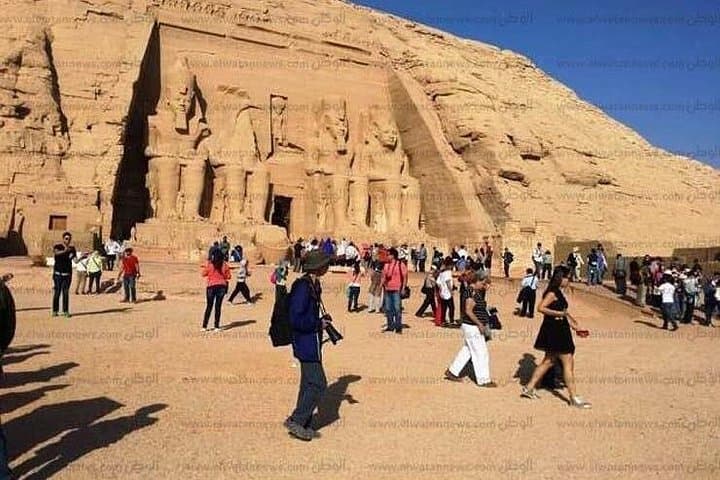
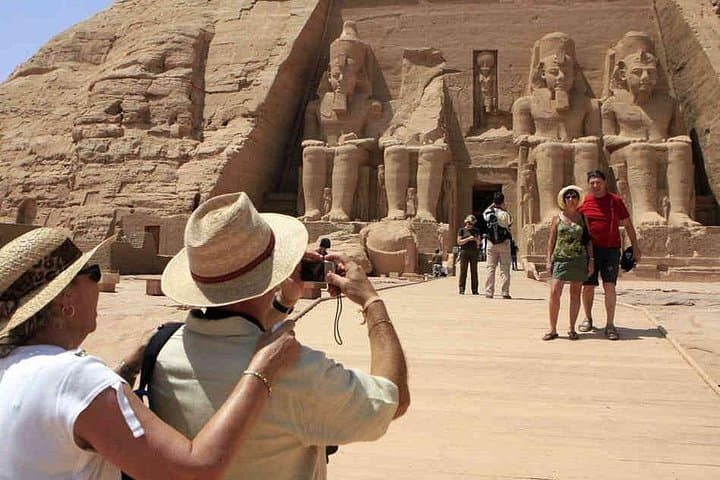
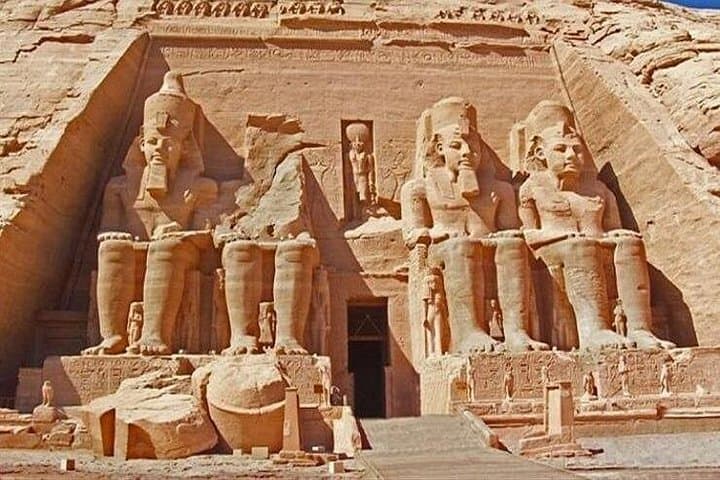
This compact 3-day itinerary threads two of Egypt’s greatest archaeological regions. Aswan’s High Dam reshaped the floodplain and created Lake Nasser, the vast artificial reservoir that swallowed the old cataracts and forced landmark relocations — most famously Philae and Abu Simbel. Abu Simbel’s twin rock-cut temples, moved block by block in the 1960s, commemorate Ramses II’s power and are set dramatically at the waterline of Lake Nasser.
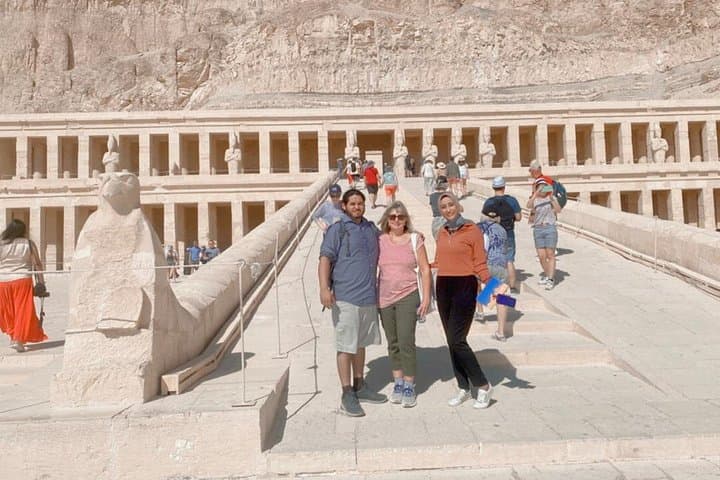
Across the river in Luxor the west bank concentrates funerary architecture: the Valley of the Kings’ painted tombs and Hatshepsut’s terraced mortuary temple carved beneath limestone cliffs. East-bank Karnak and Luxor Temples map the civic and ritual life of ancient Thebes.
Practical guidance: flights reduce transit time but expect early departures; Abu Simbel is a long day from Aswan, so pack snacks and sun protection. Bring a lightweight daypack, comfortable closed shoes for uneven tomb floors, and a light layer for cooler mornings and boat breezes. Hydrate often—Egyptian sun extracts energy quickly—and confirm domestic flight baggage limits in advance. A guided Egyptologist will add context at each site; allow time for quiet observation between crowds to read reliefs and feel the scale of columns and statues.
moderate.
3 days (approx. 72 hours).
Suitable for travelers in regular health who can manage walking on uneven surfaces, stairs, and short hikes in heat.
Yes — round-trip domestic flights from Cairo to Aswan and from Luxor back to Cairo are included in the package.
The itinerary includes visits but admission specifics should be confirmed at booking; expect separate park fees at some sites.
The tour lists wheelchair-accessible options, but some temple approaches and tomb interiors have steps; check accessibility for specific sites.
Tipping is customary for guides, drivers, and hotel staff in Egypt; bring small denominations of local currency for gratuities.
Aswan and Luxor were central to ancient Egypt—Aswan marked the southern frontier and Luxor (ancient Thebes) was the New Kingdom’s ceremonial capital.
Relocation projects like Abu Simbel and Philae were early examples of heritage conservation; visitors should stick to paths and avoid touching reliefs to protect fragile surfaces.
Nile Prince Travel operates guided outdoor trips and adventures with an emphasis on safety, stewardship, and memorable experiences.
You step off a short domestic flight and the Nile greets you broad and steady, its current daring you to follow a route carved by millennia of civilization. In Aswan the air smells faintly of river reeds and diesel; the island temples of Philae rise like books opened to hieroglyphs, their stone warmed by the sun.
You step off a short domestic flight and the Nile greets you broad and steady, its current daring you to follow a route carved by millennia of civilization. In Aswan the air smells faintly of river reeds and diesel; the island temples of Philae rise like books opened to hieroglyphs, their stone warmed by the sun.
This compact 3-day itinerary threads two of Egypt’s greatest archaeological regions. Aswan’s High Dam reshaped the floodplain and created Lake Nasser, the vast artificial reservoir that swallowed the old cataracts and forced landmark relocations — most famously Philae and Abu Simbel. Abu Simbel’s twin rock-cut temples, moved block by block in the 1960s, commemorate Ramses II’s power and are set dramatically at the waterline of Lake Nasser.
Across the river in Luxor the west bank concentrates funerary architecture: the Valley of the Kings’ painted tombs and Hatshepsut’s terraced mortuary temple carved beneath limestone cliffs. East-bank Karnak and Luxor Temples map the civic and ritual life of ancient Thebes.
Practical guidance: flights reduce transit time but expect early departures; Abu Simbel is a long day from Aswan, so pack snacks and sun protection. Bring a lightweight daypack, comfortable closed shoes for uneven tomb floors, and a light layer for cooler mornings and boat breezes. Hydrate often—Egyptian sun extracts energy quickly—and confirm domestic flight baggage limits in advance. A guided Egyptologist will add context at each site; allow time for quiet observation between crowds to read reliefs and feel the scale of columns and statues.