THE ADVENTURE COLLECTIVE® · Independent discovery and booking for outdoor travel

See Aswan, Abu Simbel and Luxor in three compact days with flights from Cairo. This private package combines fast transfers, guided visits to Philae, the High Dam, Abu Simbel, Karnak and the Valley of the Kings, and two nights’ hotel accommodation.
See Aswan, Abu Simbel and Luxor in three compact days with flights from Cairo. This private package combines fast transfers, guided visits to Philae, the High Dam, Abu Simbel, Karnak and the Valley of the Kings, and two nights’ hotel accommodation.
The first light slices across the Nile as the plane descends into Aswan — a low, ochre horizon dotted with sesame fields and ancient stone. Guests land quickly from Cairo and are whisked to Philae, where temple colonnades rise like a row of deliberately placed witnesses to the river’s slow work. Later, the dam’s concrete wall hums with modern purpose; farther south, Abu Simbel’s sculpted pharaohs stare unabashedly at the desert sun.
Verified experiences and guided adventures in the surrounding area.
Operated by Egypt Travel Line · Aswan, Aswan Governorate
The first light slices across the Nile as the plane descends into Aswan — a low, ochre horizon dotted with sesame fields and ancient stone. Guests land quickly from Cairo and are whisked to Philae, where temple colonnades rise like a row of deliberately placed witnesses to the river’s slow work. Later, the dam’s concrete wall hums with modern purpose; farther south, Abu Simbel’s sculpted pharaohs stare unabashedly at the desert sun.
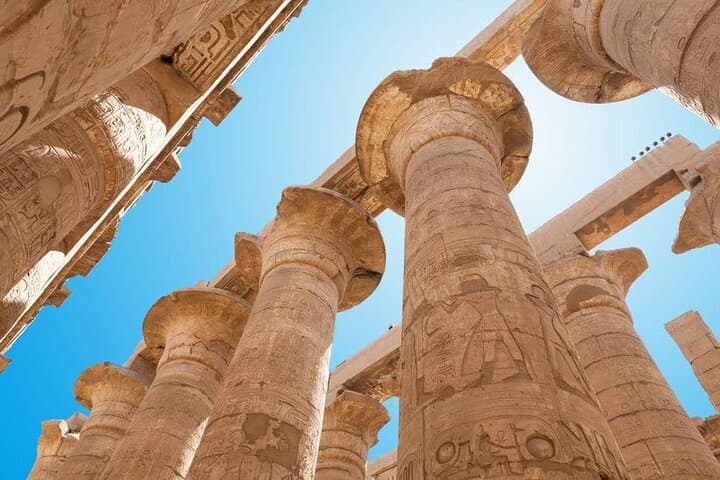
This compact itinerary threads major New Kingdom sites: Philae and the Aswan High Dam on day one, an early transfer to Abu Simbel on day two (roughly 280 km by road from Aswan, often a 3–4 hour-drive round trip or available by coach/flight depending on the operator), then train or transfer to Luxor for Karnak, Luxor Temple, the Colossi of Memnon and the Valley of the Kings on day three. Geology here is simple — Nile floodplain giving way to granite and sandstone cliffs — but human layers are dense: Pharaonic mortuary complexes, Roman-era additions and 20th-century engineering that reshaped the river.
Practical notes: expect lots of walking on uneven stone and stepped tomb entrances; temperatures can swing dramatically between shade and sun. Carry water, sun protection, and light closed-toe shoes; modest clothing is required at religious sites. Flights Cairo–Aswan and Luxor–Cairo save travel time; a qualified Egyptologist guide makes the packed schedule intelligible. For best photos and cooler conditions, plan Abu Simbel in the early morning and the Valley of the Kings mid-morning after initial crowds dissipate.
easy.
3 days (multi-day).
Suitable for travelers in average fitness — requires walking on uneven ground and climbing short flights of steps
Yes — round-trip flights Cairo–Aswan and Luxor–Cairo are included in the package price.
Many elements list wheelchair accessibility and transfers are provided, but some tombs and temple areas have steps and uneven surfaces; check specific access needs with the operator before booking.
The package includes guided visits with a qualified Egyptologist and most transfers; verify if any special tomb entrances or optional activities incur additional charges.
Carry Egyptian pounds for small purchases; tips (for drivers, guides, and hotel staff) are customary and often expected — the guide can advise appropriate amounts.
The sites visited span millennia: New Kingdom pharaohs carved royal tombs in the Valley of the Kings, while Abu Simbel was relocated in the 1960s to avoid Lake Nasser after the High Dam’s construction.
Relocation projects in the 20th century (UNESCO’s Nubia Campaign) set a precedent for heritage conservation here; visitors are asked to avoid touching reliefs and to follow paths to limit erosion.
Egypt Travel Line operates guided outdoor trips and adventures with an emphasis on safety, stewardship, and memorable experiences.
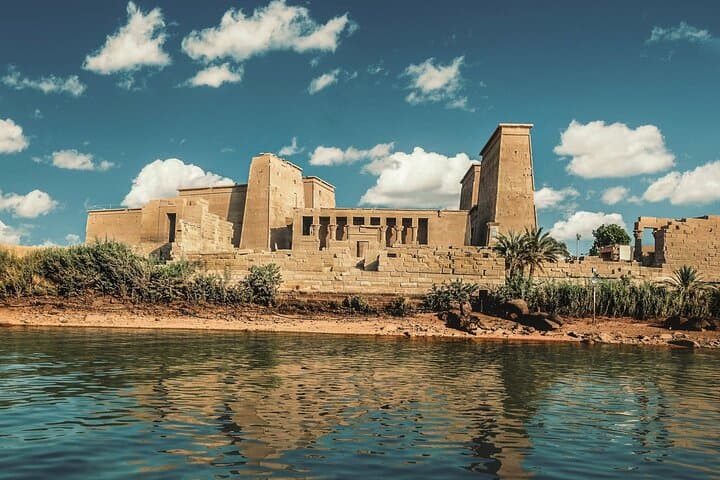
The first light slices across the Nile as the plane descends into Aswan — a low, ochre horizon dotted with sesame fields and ancient stone. Guests land quickly from Cairo and are whisked to Philae, where temple colonnades rise like a row of deliberately placed witnesses to the river’s slow work. Later, the dam’s concrete wall hums with modern purpose; farther south, Abu Simbel’s sculpted pharaohs stare unabashedly at the desert sun.
The first light slices across the Nile as the plane descends into Aswan — a low, ochre horizon dotted with sesame fields and ancient stone. Guests land quickly from Cairo and are whisked to Philae, where temple colonnades rise like a row of deliberately placed witnesses to the river’s slow work. Later, the dam’s concrete wall hums with modern purpose; farther south, Abu Simbel’s sculpted pharaohs stare unabashedly at the desert sun.
This compact itinerary threads major New Kingdom sites: Philae and the Aswan High Dam on day one, an early transfer to Abu Simbel on day two (roughly 280 km by road from Aswan, often a 3–4 hour-drive round trip or available by coach/flight depending on the operator), then train or transfer to Luxor for Karnak, Luxor Temple, the Colossi of Memnon and the Valley of the Kings on day three. Geology here is simple — Nile floodplain giving way to granite and sandstone cliffs — but human layers are dense: Pharaonic mortuary complexes, Roman-era additions and 20th-century engineering that reshaped the river.
Practical notes: expect lots of walking on uneven stone and stepped tomb entrances; temperatures can swing dramatically between shade and sun. Carry water, sun protection, and light closed-toe shoes; modest clothing is required at religious sites. Flights Cairo–Aswan and Luxor–Cairo save travel time; a qualified Egyptologist guide makes the packed schedule intelligible. For best photos and cooler conditions, plan Abu Simbel in the early morning and the Valley of the Kings mid-morning after initial crowds dissipate.