THE ADVENTURE COLLECTIVE® · Independent discovery and booking for outdoor travel

Move from Aswan’s riverbanks to the colossal façades of Abu Simbel in a compact private tour that pairs Nile-side culture, museum visits and engineered marvels like the High Dam. Ideal for travelers who want efficient logistics with room for local encounters.
Move from Aswan’s riverbanks to the colossal façades of Abu Simbel in a compact private tour that pairs Nile-side culture, museum visits and engineered marvels like the High Dam. Ideal for travelers who want efficient logistics with room for local encounters.
Dawn breaks over the Nile and the water throws back a clean, hot light across Aswan’s granite quays. A private vehicle waits; in the distance the flat tops of desert ridges mark the horizon and the river, patient and urgent, dares you to trace its route south. Over three days travelers move between museum galleries, island temples and monumental rock-cut façades, trading the hush of Philae for the ceremonial scale of Abu Simbel.
Verified experiences and guided adventures in the surrounding area.
Operated by Egypt Travel Planning · Aswan, Aswan Governorate
Dawn breaks over the Nile and the water throws back a clean, hot light across Aswan’s granite quays. A private vehicle waits; in the distance the flat tops of desert ridges mark the horizon and the river, patient and urgent, dares you to trace its route south. Over three days travelers move between museum galleries, island temples and monumental rock-cut façades, trading the hush of Philae for the ceremonial scale of Abu Simbel.
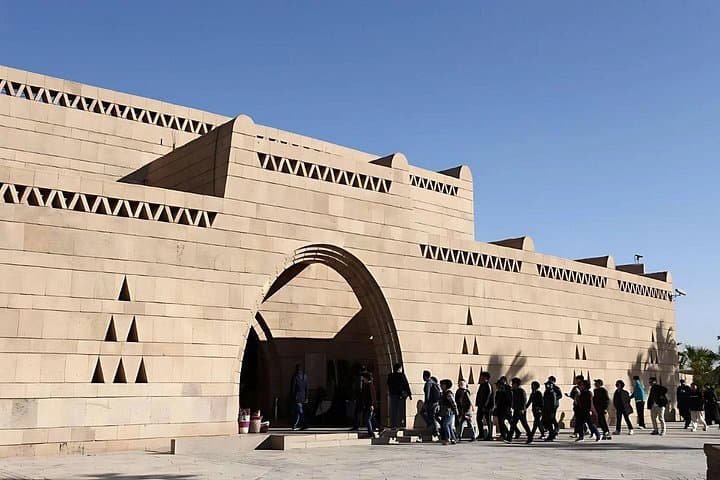
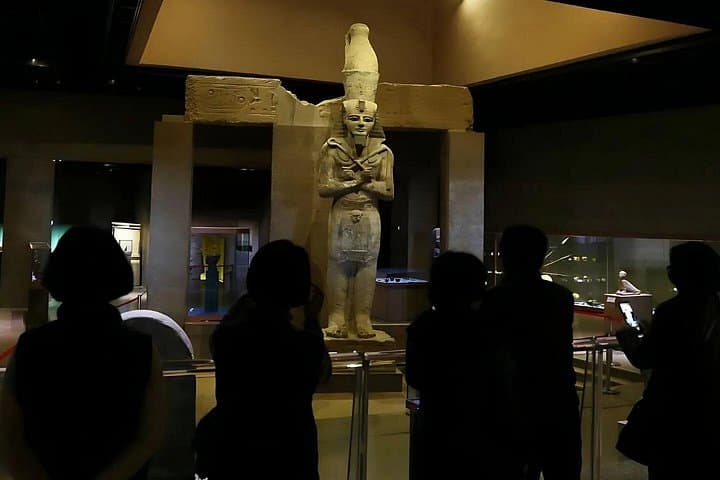
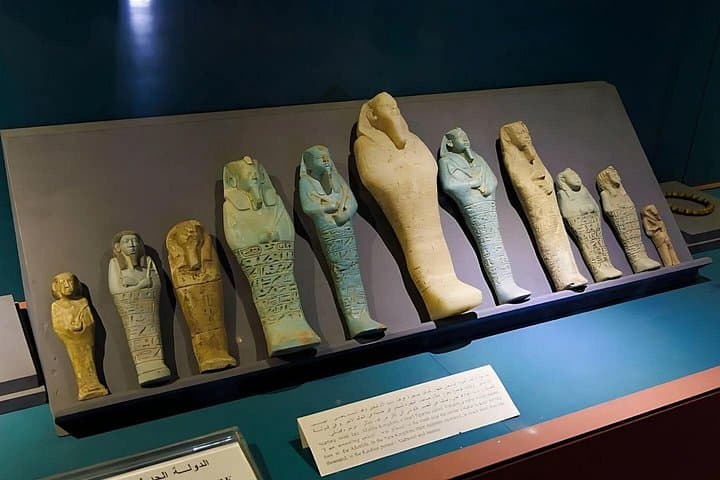
This route stitches together Pharaonic engineering and modern hydrology: Philae’s temple complex, moved stone-by-stone in the 1960s to escape the High Dam’s rising lake, sits near the dam itself — a Soviet-era project that reshaped Egypt’s flood cycle. The Nubian Museum in Aswan tells the cultural arc of the river’s people; a short boat ride reaches traditional Nubian villages where color, henna and village schools animate daily life. Abu Simbel, roughly 280 km (about three hours) south by road, presents Ramses II carved at monumental scale and, twice a year, a solar alignment that lights its inner sanctuary.
Practicalities: expect mostly paved roads, short on-foot exploration at sites (0.5–2 km per stop), and desert heat that intensifies by late morning. Book early-morning slots for Abu Simbel to avoid both crowds and sun. Carry cash for local purchases and modest tipping; entry fees and transfers are usually included. Footwear should handle sand, temple steps and museum floors. Hydrate, layer for cool nights, and leave time for slow moments on the Nile — the river shapes both landscape and memory here.
easy.
3 days.
Suitable for travelers who can walk short distances (up to 2 km) on uneven surfaces and climb temple steps; no special fitness required.
The road distance is about 280 km (roughly three hours each way); most tours start before dawn to maximize time at the site.
This tour states entrance fees to the mentioned sites are included, but always confirm if any optional activities require extra payment.
The itinerary is described as suitable for all fitness levels; however, some temple areas have steps and uneven ground—ask for assistance or vehicle access where possible.
Yes—Philae sits on an island and is accessed by a short motorboat transfer from Aswan’s quays.
The Aswan High Dam (1960s) and the UNESCO-led relocation of Philae and Abu Simbel are central: moving temples saved them from the new reservoir and reshaped local communities.
Rising tourism and lake-level management affect Nubian sites and village life; support local guides and follow site rules to minimize impact.
Egypt Travel Planning operates guided outdoor trips and adventures with an emphasis on safety, stewardship, and memorable experiences.

Dawn breaks over the Nile and the water throws back a clean, hot light across Aswan’s granite quays. A private vehicle waits; in the distance the flat tops of desert ridges mark the horizon and the river, patient and urgent, dares you to trace its route south. Over three days travelers move between museum galleries, island temples and monumental rock-cut façades, trading the hush of Philae for the ceremonial scale of Abu Simbel.
Dawn breaks over the Nile and the water throws back a clean, hot light across Aswan’s granite quays. A private vehicle waits; in the distance the flat tops of desert ridges mark the horizon and the river, patient and urgent, dares you to trace its route south. Over three days travelers move between museum galleries, island temples and monumental rock-cut façades, trading the hush of Philae for the ceremonial scale of Abu Simbel.
This route stitches together Pharaonic engineering and modern hydrology: Philae’s temple complex, moved stone-by-stone in the 1960s to escape the High Dam’s rising lake, sits near the dam itself — a Soviet-era project that reshaped Egypt’s flood cycle. The Nubian Museum in Aswan tells the cultural arc of the river’s people; a short boat ride reaches traditional Nubian villages where color, henna and village schools animate daily life. Abu Simbel, roughly 280 km (about three hours) south by road, presents Ramses II carved at monumental scale and, twice a year, a solar alignment that lights its inner sanctuary.
Practicalities: expect mostly paved roads, short on-foot exploration at sites (0.5–2 km per stop), and desert heat that intensifies by late morning. Book early-morning slots for Abu Simbel to avoid both crowds and sun. Carry cash for local purchases and modest tipping; entry fees and transfers are usually included. Footwear should handle sand, temple steps and museum floors. Hydrate, layer for cool nights, and leave time for slow moments on the Nile — the river shapes both landscape and memory here.