THE ADVENTURE COLLECTIVE® · Independent discovery and booking for outdoor travel

Three days of Nile-side history: Aswan’s dam and obelisks, sunrise at Abu Simbel, then a first-class train into Luxor to explore Karnak and the Valley of the Kings. Practical logistics and site rhythms make this a compact but richly textured cultural adventure.
Three days of Nile-side history: Aswan’s dam and obelisks, sunrise at Abu Simbel, then a first-class train into Luxor to explore Karnak and the Valley of the Kings. Practical logistics and site rhythms make this a compact but richly textured cultural adventure.
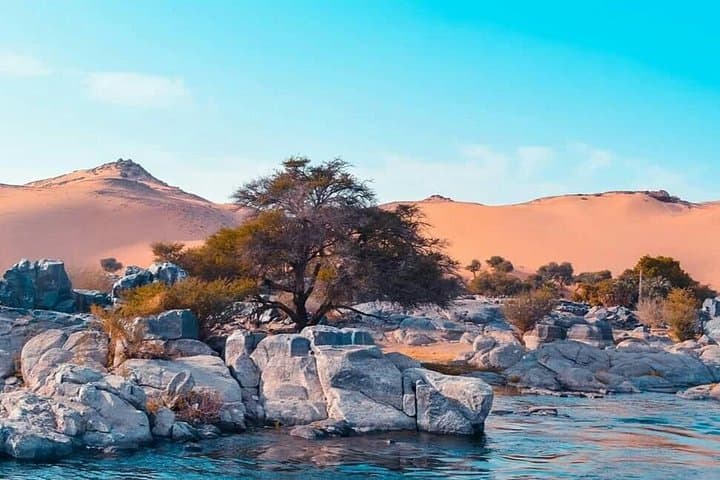
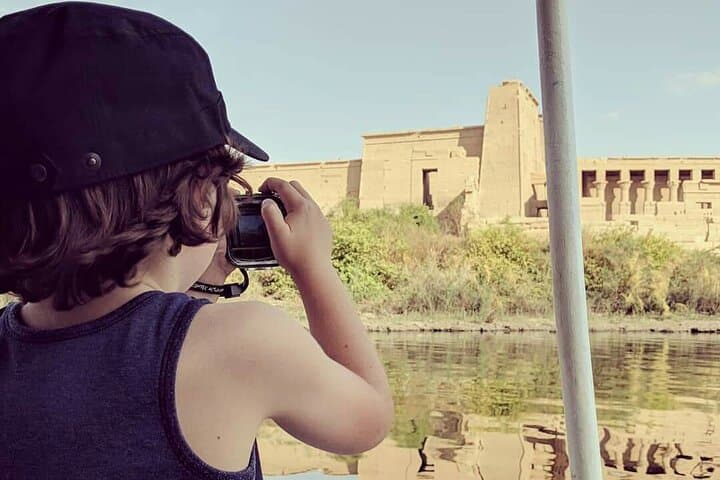
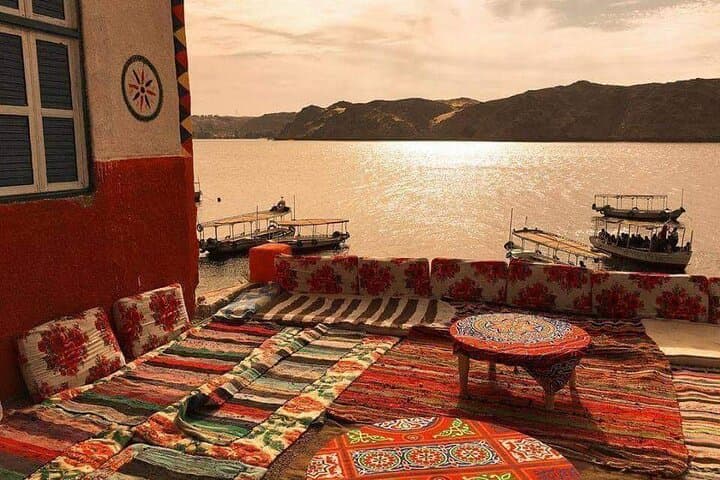
You step off a morning ferry in Aswan and the Nile takes over the skyline — a slow ribbon of pale green framed by granite quarries and palms. Boats chuff by; vendors call from riverbanks; temple facades throw long shadows. Over three days the landscape moves from the engineered sweep of the Aswan High Dam to the sunrise face of Abu Simbel, then eastward by first-class rail into Luxor’s temple fields.
Verified experiences and guided adventures in the surrounding area.
Operated by Egypt wondrful tours · Aswan, Aswan Governorate
You step off a morning ferry in Aswan and the Nile takes over the skyline — a slow ribbon of pale green framed by granite quarries and palms. Boats chuff by; vendors call from riverbanks; temple facades throw long shadows. Over three days the landscape moves from the engineered sweep of the Aswan High Dam to the sunrise face of Abu Simbel, then eastward by first-class rail into Luxor’s temple fields.
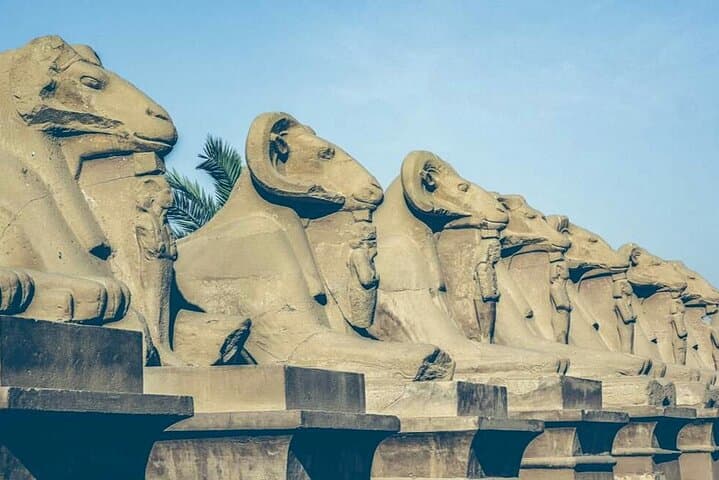
This loop stitches together Egypt’s modern and ancient layers: the High Dam’s 1960s concrete sweep that reshaped the Nile, the relocated Abu Simbel carved in the 13th century BCE and moved stone-by-stone in the 1960s, and Karnak’s flagstone avenues that grew over millennia. Geology is visible — hard pink granite at Aswan, soft alluvial silt along the Nile floodplain — and culture is practiced daily in Nubian villages and temple markets.
Expect mostly flat walking with uneven stone steps and packed dirt paths; site visits typically run 1–3 hours each. Summers are hot and dry; mornings and late afternoons are best for photography and cooler conditions. Guides handle logistics — train tickets, transfers, and timed entries — but bring a reusable water bottle, sun protection, and sturdy shoes for temple ramps and tomb stairways.
Practical choices matter: arrive at Abu Simbel well before sunrise for the light on Ramses II’s façade, budget for mandatory entrance fees at major sites, and leave time for the train window views between Aswan and Luxor. The trip is a compact immersion in Nile history with straightforward logistics — rich on monuments, light on elevation, and heavy on storytelling.
moderate.
3 days.
Suitable for travelers with basic fitness who can walk 1–3 hours at a time on uneven ground and handle short stair sections
Entrance fees to major sites are typically not included; budget separately and check your booking details for specifics.
This tour uses a first-class train from Aswan to Luxor included in the itinerary; travel time is around three hours with scenic river views.
Many transfer vehicles and some sites offer accessibility support, but ancient temples and tombs have uneven steps that can limit access to some areas.
October–April offers milder temperatures and more comfortable touring conditions; summer is hot and dry and requires extra heat precautions.
Abu Simbel and many monuments date to the New Kingdom era; Abu Simbel was famously relocated in the 1960s to avoid flooding after the construction of the High Dam.
Heavy visitation is managed through timed entries and guided routes — stick to paths, avoid touching reliefs, and support sites by using licensed guides and buying local crafts.
Egypt wondrful tours operates guided outdoor trips and adventures with an emphasis on safety, stewardship, and memorable experiences.
You step off a morning ferry in Aswan and the Nile takes over the skyline — a slow ribbon of pale green framed by granite quarries and palms. Boats chuff by; vendors call from riverbanks; temple facades throw long shadows. Over three days the landscape moves from the engineered sweep of the Aswan High Dam to the sunrise face of Abu Simbel, then eastward by first-class rail into Luxor’s temple fields.
You step off a morning ferry in Aswan and the Nile takes over the skyline — a slow ribbon of pale green framed by granite quarries and palms. Boats chuff by; vendors call from riverbanks; temple facades throw long shadows. Over three days the landscape moves from the engineered sweep of the Aswan High Dam to the sunrise face of Abu Simbel, then eastward by first-class rail into Luxor’s temple fields.
This loop stitches together Egypt’s modern and ancient layers: the High Dam’s 1960s concrete sweep that reshaped the Nile, the relocated Abu Simbel carved in the 13th century BCE and moved stone-by-stone in the 1960s, and Karnak’s flagstone avenues that grew over millennia. Geology is visible — hard pink granite at Aswan, soft alluvial silt along the Nile floodplain — and culture is practiced daily in Nubian villages and temple markets.
Expect mostly flat walking with uneven stone steps and packed dirt paths; site visits typically run 1–3 hours each. Summers are hot and dry; mornings and late afternoons are best for photography and cooler conditions. Guides handle logistics — train tickets, transfers, and timed entries — but bring a reusable water bottle, sun protection, and sturdy shoes for temple ramps and tomb stairways.
Practical choices matter: arrive at Abu Simbel well before sunrise for the light on Ramses II’s façade, budget for mandatory entrance fees at major sites, and leave time for the train window views between Aswan and Luxor. The trip is a compact immersion in Nile history with straightforward logistics — rich on monuments, light on elevation, and heavy on storytelling.