THE ADVENTURE COLLECTIVE® · Independent discovery and booking for outdoor travel

A compact three-day circuit from Cairo to Aswan, Abu Simbel and Luxor that pairs river islands and Nubian villages with sunrise hot air ballooning and New Kingdom tombs. Expect early mornings, short flights, motorboat transfers and concentrated time at Egypt’s most iconic temples.
A compact three-day circuit from Cairo to Aswan, Abu Simbel and Luxor that pairs river islands and Nubian villages with sunrise hot air ballooning and New Kingdom tombs. Expect early mornings, short flights, motorboat transfers and concentrated time at Egypt’s most iconic temples.
You wake before dawn in Luxor’s soft predawn light, the Nile a dark ribbon and the river breeze already nudging your jacket. Within an hour you can be airborne in a hot air balloon, watching the sun pry open the Theban Necropolis while the valley below organizes itself into tombs, fields and clusters of date palms.
Verified experiences and guided adventures in the surrounding area.
Operated by Oxen of Egypt Tours · Luxor, Luxor Governorate
You wake before dawn in Luxor’s soft predawn light, the Nile a dark ribbon and the river breeze already nudging your jacket. Within an hour you can be airborne in a hot air balloon, watching the sun pry open the Theban Necropolis while the valley below organizes itself into tombs, fields and clusters of date palms.
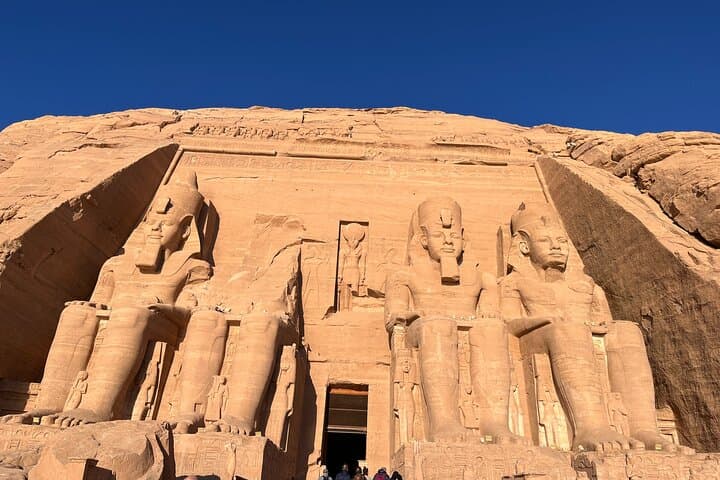
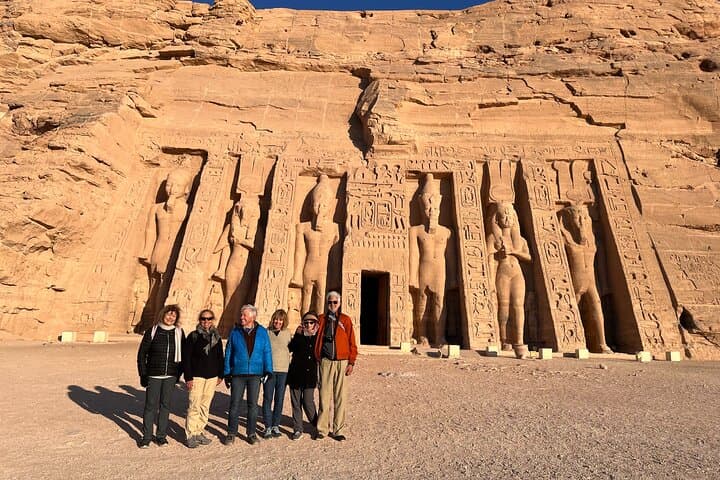
This three-day loop moves fast: a morning flight from Cairo to Aswan, island temples at Philae reached by motorboat, a walk through the painted houses of a Nubian village, a long road to Abu Simbel to meet colossal Ramses II, then the train or plane to Luxor for a sunrise balloon, the Valley of the Kings, Hatshepsut’s mortuary terraces, and the vast hypostyle halls of Karnak.
Geology and history are palpable: sandstone cliffs carved by millennia of wind and Nile floods hold temples that span New Kingdom stonework to Ptolemaic additions. Local life is present — market stalls, feluccas on the river, and Nubian colorways — giving context to the monuments.
Practical notes: plan for early starts, sun protection, and modest dress at religious sites. Tickets to attractions are purchased at ticket offices; guides help with lines. Transfers include short motorboat rides and domestic flights; luggage limits apply. Bring comfortable walking shoes for uneven temple floors and stairs, a light layer for cool mornings, and reusable water — hydration is essential in Upper Egypt.
This itinerary balances iconic monuments and local moments, delivering concentrated access to some of Egypt’s most powerful landscapes and human achievements.
moderate.
3 days.
Suitable for travelers in average physical condition; able to walk on uneven surfaces and climb steps.
No, the tour notes that entrance fees are not included; you will buy tickets at the site ticket offices, often with your guide’s assistance.
Balloon operators follow safety procedures but restrictions may apply for very young children, pregnant travelers or those with mobility concerns—check with the operator before booking.
Abu Simbel is roughly a 3–4 hour drive each way from Aswan (about 280–300 km); the day is long but focused on the monumental temple complex.
Domestic carriers in Egypt typically have modest baggage allowances; confirm with the tour operator—pack a small overnight bag for efficiency between flights.
The monuments visited span millennia—from New Kingdom pharaonic tombs in the Valley of the Kings to Ptolemaic additions at Philae and colossal Ramesside statuary at Abu Simbel.
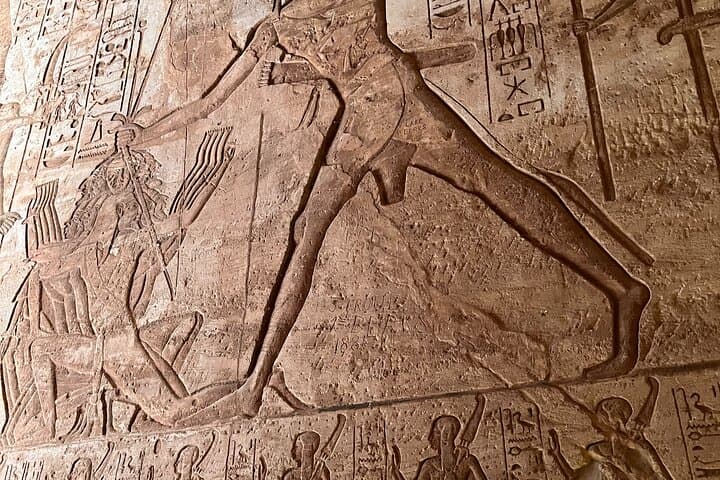
Tourism pressures and the Nile’s ecological changes require responsible behavior: avoid touching painted reliefs, use designated paths, and minimize plastic waste.
Oxen of Egypt Tours operates guided outdoor trips and adventures with an emphasis on safety, stewardship, and memorable experiences.
You wake before dawn in Luxor’s soft predawn light, the Nile a dark ribbon and the river breeze already nudging your jacket. Within an hour you can be airborne in a hot air balloon, watching the sun pry open the Theban Necropolis while the valley below organizes itself into tombs, fields and clusters of date palms.
You wake before dawn in Luxor’s soft predawn light, the Nile a dark ribbon and the river breeze already nudging your jacket. Within an hour you can be airborne in a hot air balloon, watching the sun pry open the Theban Necropolis while the valley below organizes itself into tombs, fields and clusters of date palms.
This three-day loop moves fast: a morning flight from Cairo to Aswan, island temples at Philae reached by motorboat, a walk through the painted houses of a Nubian village, a long road to Abu Simbel to meet colossal Ramses II, then the train or plane to Luxor for a sunrise balloon, the Valley of the Kings, Hatshepsut’s mortuary terraces, and the vast hypostyle halls of Karnak.
Geology and history are palpable: sandstone cliffs carved by millennia of wind and Nile floods hold temples that span New Kingdom stonework to Ptolemaic additions. Local life is present — market stalls, feluccas on the river, and Nubian colorways — giving context to the monuments.
Practical notes: plan for early starts, sun protection, and modest dress at religious sites. Tickets to attractions are purchased at ticket offices; guides help with lines. Transfers include short motorboat rides and domestic flights; luggage limits apply. Bring comfortable walking shoes for uneven temple floors and stairs, a light layer for cool mornings, and reusable water — hydration is essential in Upper Egypt.
This itinerary balances iconic monuments and local moments, delivering concentrated access to some of Egypt’s most powerful landscapes and human achievements.