THE ADVENTURE COLLECTIVE® · Independent discovery and booking for outdoor travel

Cover Aswan’s High Dam and Philae, watch the sunrise on the desert drive to Abu Simbel, then take first-class train service to Luxor’s temples and tombs. This 3-day route packs major Pharaonic sites into a compact, guided itinerary.
Cover Aswan’s High Dam and Philae, watch the sunrise on the desert drive to Abu Simbel, then take first-class train service to Luxor’s temples and tombs. This 3-day route packs major Pharaonic sites into a compact, guided itinerary.
Morning light cuts across the Nile at Aswan as travelers step into an air-conditioned coach, the river daring them toward temples shaped by flood and faith.
Verified experiences and guided adventures in the surrounding area.
Operated by Egypt Lifetime Tours · Aswan, Aswan Governorate
Morning light cuts across the Nile at Aswan as travelers step into an air-conditioned coach, the river daring them toward temples shaped by flood and faith.
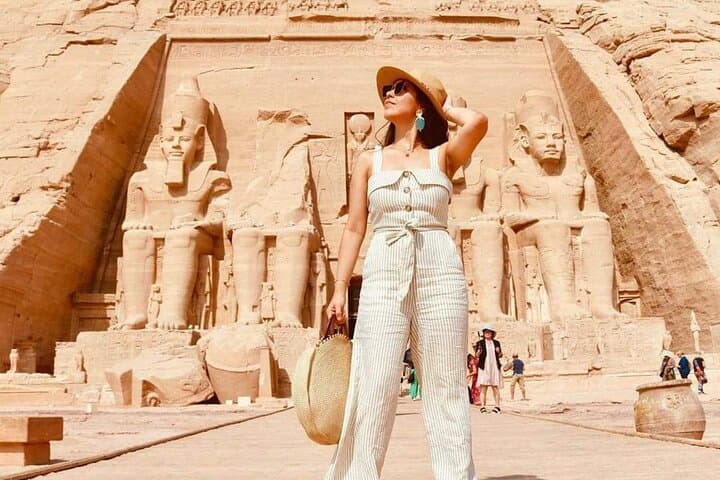
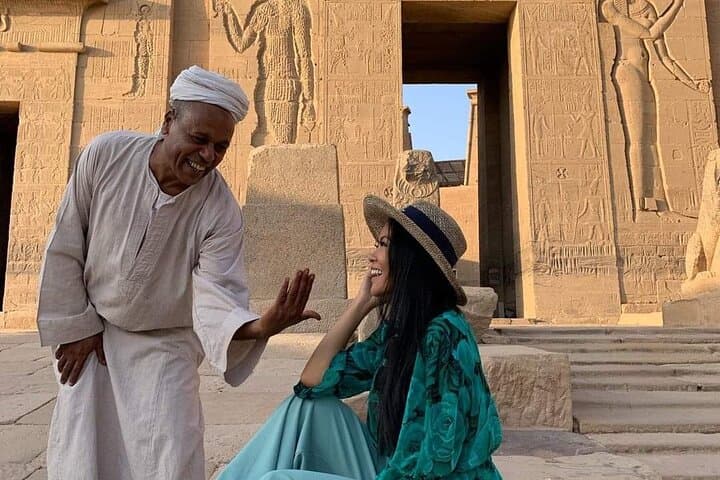
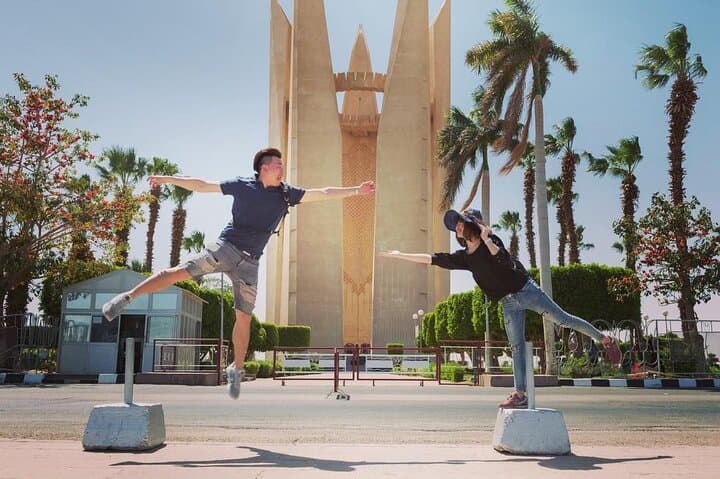
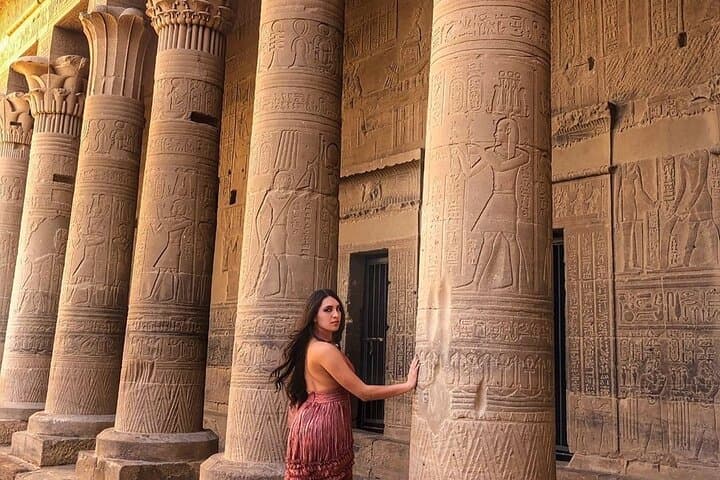
Over three focused days the itinerary moves from the concrete might of the Aswan High Dam to the island calm of Philae, then drives south into the desert for Abu Simbel’s rock-hewn façade before riding the first-class train to Luxor’s East and West Banks. Along the way guides narrate millennia: New Kingdom tomb builders, the rescue of monuments from Lake Nasser, and Roman-era additions that layered meanings onto these sites.
Geologically, the region is carved from Nubian sandstone and granite; the Abu Simbel complex was dismantled and reassembled to sit safely above the reservoir’s rise, an engineering story as vivid as the reliefs. Culturally, the temples remain active chapters in Egyptian identity—places where ritual, art and political messaging intersect.
Practically, the tour is paced for sightlines and comfort: short boat hops at Philae, several walks over uneven temple paving, long road stretches to Abu Simbel and a 3–4 hour sleeper by day to Luxor. Travelers should expect early starts for the desert drive, periods of shade and open sun, and limited guide access inside tomb interiors (guides explain from outside).
Hydration, sun protection, and stable footwear make the experience straightforward and rewarding. For those looking to balance fast cultural immersion with manageable logistics, this three-day loop delivers concentrated encounters with some of Egypt’s most iconic monuments.
easy.
3 days.
Light to moderate: should be able to walk 30–90 minutes at a time on uneven surfaces and board vehicles comfortably.
No—entrance fees to archaeological sites are typically paid at the ticket offices; guides will advise payment methods and some require local currency.
Yes—the drive is about 285 km each way from Aswan and typically takes around three hours one-way, so expect an early start and a full day.
Guides normally cannot enter the narrowly confined tomb interiors; they provide commentary outside and explain what to look for inside.
The included first-class sitting train between Aswan and Luxor offers reserved seating and air-conditioning, making the 3–4 hour journey more comfortable than standard service.
The tour follows millennia of Egyptian history—from Pharaonic temple-building and New Kingdom royal tombs to the 20th-century relocation of Abu Simbel to save it from Lake Nasser’s rise.
Visitors are encouraged to keep to marked paths and avoid touching reliefs; many sites support conservation through entrance fees and regulated visitor numbers.
Egypt Lifetime Tours operates guided outdoor trips and adventures with an emphasis on safety, stewardship, and memorable experiences.
Morning light cuts across the Nile at Aswan as travelers step into an air-conditioned coach, the river daring them toward temples shaped by flood and faith.
Morning light cuts across the Nile at Aswan as travelers step into an air-conditioned coach, the river daring them toward temples shaped by flood and faith.
Over three focused days the itinerary moves from the concrete might of the Aswan High Dam to the island calm of Philae, then drives south into the desert for Abu Simbel’s rock-hewn façade before riding the first-class train to Luxor’s East and West Banks. Along the way guides narrate millennia: New Kingdom tomb builders, the rescue of monuments from Lake Nasser, and Roman-era additions that layered meanings onto these sites.
Geologically, the region is carved from Nubian sandstone and granite; the Abu Simbel complex was dismantled and reassembled to sit safely above the reservoir’s rise, an engineering story as vivid as the reliefs. Culturally, the temples remain active chapters in Egyptian identity—places where ritual, art and political messaging intersect.
Practically, the tour is paced for sightlines and comfort: short boat hops at Philae, several walks over uneven temple paving, long road stretches to Abu Simbel and a 3–4 hour sleeper by day to Luxor. Travelers should expect early starts for the desert drive, periods of shade and open sun, and limited guide access inside tomb interiors (guides explain from outside).
Hydration, sun protection, and stable footwear make the experience straightforward and rewarding. For those looking to balance fast cultural immersion with manageable logistics, this three-day loop delivers concentrated encounters with some of Egypt’s most iconic monuments.