THE ADVENTURE COLLECTIVE® · Independent discovery and booking for outdoor travel

A compact three-day loop from Yerevan visits Garni’s pagan temple, the high-water shores of Lake Sevan, cliff-carved monasteries at Geghard and Noravank, and the wine village of Areni. Expect easy walks, dramatic geology, and clear cultural context in each stop.
A compact three-day loop from Yerevan visits Garni’s pagan temple, the high-water shores of Lake Sevan, cliff-carved monasteries at Geghard and Noravank, and the wine village of Areni. Expect easy walks, dramatic geology, and clear cultural context in each stop.
Morning light hits Republic Square and the Cascade as a city that wakes around volcanic tufa comes into focus — that’s Yerevan on day one, and it sets the tone for three days of cliffside monasteries, highland lakes, and wine-scented villages.
Verified experiences and guided adventures in the surrounding area.
Operated by Armland Adventure Club · Yerevan, Yerevan
Morning light hits Republic Square and the Cascade as a city that wakes around volcanic tufa comes into focus — that’s Yerevan on day one, and it sets the tone for three days of cliffside monasteries, highland lakes, and wine-scented villages.
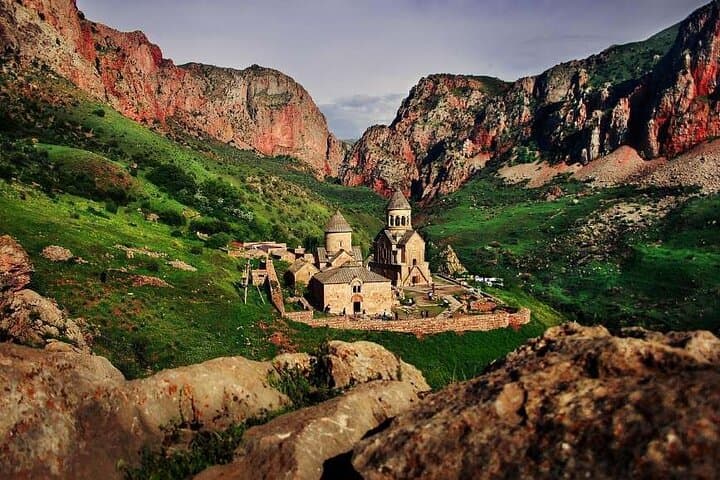
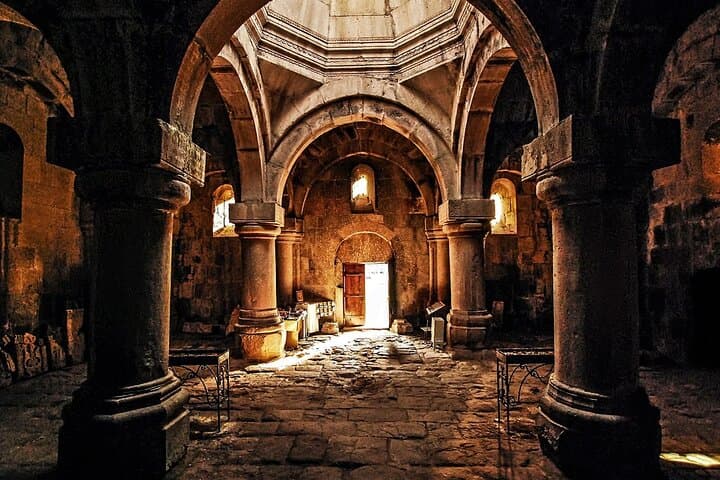
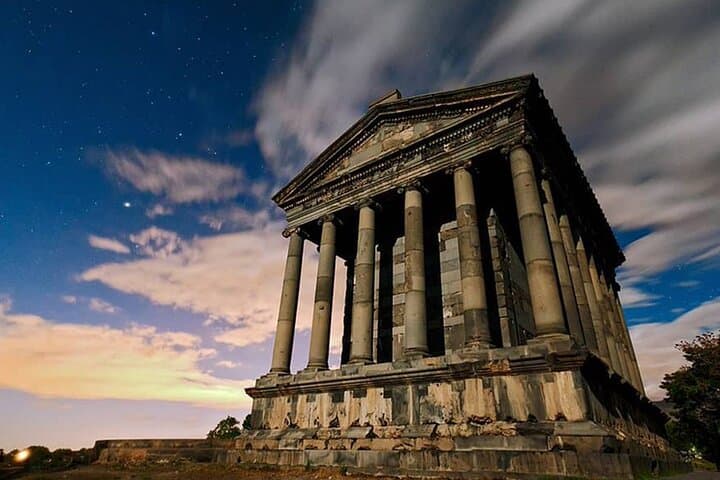
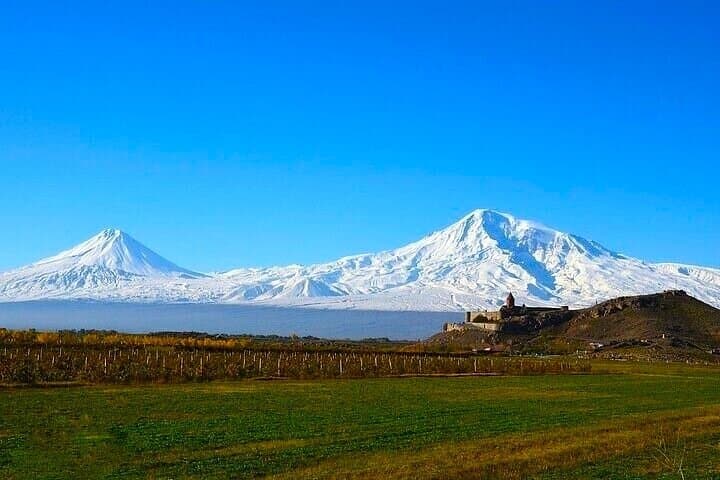
This compact circuit threads Armenia’s deep history: Garni’s Hellenistic temple (1st century AD) survives as the country’s lone pre-Christian monument, while Geghard and Noravank reveal medieval Armenian stonecraft carved into cliffs and caverns. Lake Sevan sits at 1,900 m, its peninsula crowned by the 9th-century Sevanavank; the lake’s basalt shore gives way to wide sky and migratory waterfowl. Khor Virap lies under the looming silhouette of Mount Ararat — a visual anchor of faith and legend across the border — and Areni offers centuries of viniculture in limestone soils.
Geology is immediate here: basalt outcrops at Garni, red limestone gorges at Noravank, and highland lacustrine terraces at Sevan shape each stop and the routes between them. Culture arrives in monasteries’ khachkars, in local breads and stewed trout, and in Areni’s cave cellars if you opt for a tasting.
Practical guidance: plan moderate walking on uneven stone and short climbs at monasteries, bring sun protection and a light layer for cool highland evenings, and allow traffic buffers when transferring between sites. Most entrances are straightforward; comfortable shoes and a charged phone camera will serve you well. Bookings typically include private transport, guide, and bottled water; seasonal weather dictates clothing choices.
easy.
3 days (approx. 72 hours).
Suitable for travelers in average condition; includes short walks and some steps at sites
Yes; the itinerary involves mainly short, easy walks and vehicle transfers. Infant seats are available, but check mobility concerns for steep steps at some monasteries.
Some admissions (like Garni) may be included per operator; verify with your booking provider for final inclusions and any local ticket costs.
Yes — wine tastings can usually be arranged locally but are often optional and paid on-site; bring cash and arrange preferences in advance.
Guides commonly speak English and Russian; ask the operator about other languages when booking if needed.
This route traces Armenia’s transition from pagan kingdoms (Garni) to one of the earliest Christian states; many monasteries date to the medieval era and feature carved khachkars.
Lake Sevan’s water levels and local biodiversity are sensitive; stick to marked paths, avoid single-use plastics, and support local conservation-minded businesses.
Armland Adventure Club operates guided outdoor trips and adventures with an emphasis on safety, stewardship, and memorable experiences.
Morning light hits Republic Square and the Cascade as a city that wakes around volcanic tufa comes into focus — that’s Yerevan on day one, and it sets the tone for three days of cliffside monasteries, highland lakes, and wine-scented villages.
Morning light hits Republic Square and the Cascade as a city that wakes around volcanic tufa comes into focus — that’s Yerevan on day one, and it sets the tone for three days of cliffside monasteries, highland lakes, and wine-scented villages.
This compact circuit threads Armenia’s deep history: Garni’s Hellenistic temple (1st century AD) survives as the country’s lone pre-Christian monument, while Geghard and Noravank reveal medieval Armenian stonecraft carved into cliffs and caverns. Lake Sevan sits at 1,900 m, its peninsula crowned by the 9th-century Sevanavank; the lake’s basalt shore gives way to wide sky and migratory waterfowl. Khor Virap lies under the looming silhouette of Mount Ararat — a visual anchor of faith and legend across the border — and Areni offers centuries of viniculture in limestone soils.
Geology is immediate here: basalt outcrops at Garni, red limestone gorges at Noravank, and highland lacustrine terraces at Sevan shape each stop and the routes between them. Culture arrives in monasteries’ khachkars, in local breads and stewed trout, and in Areni’s cave cellars if you opt for a tasting.
Practical guidance: plan moderate walking on uneven stone and short climbs at monasteries, bring sun protection and a light layer for cool highland evenings, and allow traffic buffers when transferring between sites. Most entrances are straightforward; comfortable shoes and a charged phone camera will serve you well. Bookings typically include private transport, guide, and bottled water; seasonal weather dictates clothing choices.