THE ADVENTURE COLLECTIVE® · Independent discovery and booking for outdoor travel

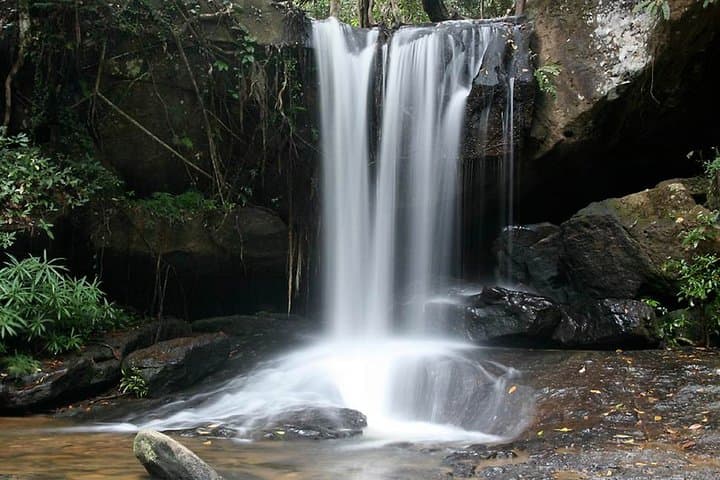
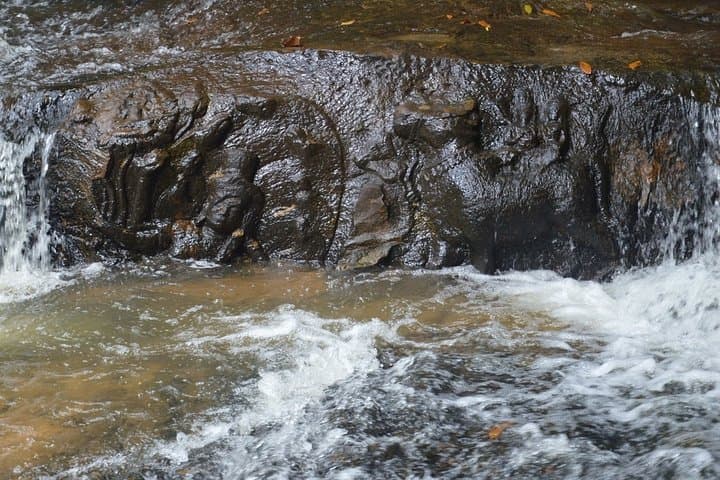
Three days traversing Angkor’s monumental temples and the living villages of Tonle Sap, guided privately with hotel pickup from Siem Reap. Expect long walking days, steep temple steps, cultural stops like a silk farm and a monk blessing, and a short jungle trek to Kbal Spean.
Three days traversing Angkor’s monumental temples and the living villages of Tonle Sap, guided privately with hotel pickup from Siem Reap. Expect long walking days, steep temple steps, cultural stops like a silk farm and a monk blessing, and a short jungle trek to Kbal Spean.
You arrive before dawn, the air already warm, and the Angkor causeway sits like an ancient runway cutting through shadow and lotus. The first day unfolds in stone: Angkor Wat’s vast galleries, the carved faces of Bayon, the steep tiers of Baphuon and the root-entangled corridors of Ta Prohm where trees push through bas-relief and demand attention.
Verified experiences and guided adventures in the surrounding area.
Operated by Angkor Boutique Tours · Siem Reap, Siem Reap Province
You arrive before dawn, the air already warm, and the Angkor causeway sits like an ancient runway cutting through shadow and lotus. The first day unfolds in stone: Angkor Wat’s vast galleries, the carved faces of Bayon, the steep tiers of Baphuon and the root-entangled corridors of Ta Prohm where trees push through bas-relief and demand attention.
These temples are chapters of the Khmer Empire (9th–15th centuries), built on sandstone and laterite that record kingship, ceremony and hydraulic engineering. Geologically the plain is low and flat; the stone complexes sit on compacted sand and paved causeways with isolated steep staircases on temple towers. Cultural threads are immediate — monks in saffron, villagers maintaining silk looms, and the seasonal pulse of Tonle Sap where houses rise with the lake.
Practical guidance: tours start around 8:00 am with hotel pickup in Siem Reap; expect three long days (roughly 8–10 hours each). Walking per site ranges from short courtyard strolls to 1–2 km approaches (Kbal Spean includes a 1–1.5 km jungle walk with uneven footing and ~100–150 m ascent). Surfaces are mostly compacted earth, sand and ancient stone; several sites have steep steps that are not recommended for people with limited mobility.
Bring sun protection, a reusable water bottle, light long sleeves and a sarong or pants to meet the strict temple dress code (knees and shoulders covered). Respect temple rules, accept the local rhythm — the guide sequences monuments to avoid midday heat and to show both archaeological highlights and village life at Tonle Sap.
moderate.
3 days (approx. 8–10 hours/day).
Good general mobility and stamina for multiple long walking days; ability to manage uneven stone steps.
Tours typically begin at 8:00 am with hotel pickup in Siem Reap; guides meet guests in the hotel lobby about 10 minutes before start time.
Angkor Park admission is purchased separately at the official ticket center; this private tour includes guiding and transport but not park tickets unless specified.
Many sites have uneven ground and steep stairs; while courtyards are accessible, temple towers and steep platforms may be difficult or unsafe for those with limited mobility.
Dress conservatively: knees and shoulders must be covered for both men and women; avoid sleeveless tops and short shorts or skirts.
Angkor was the center of the Khmer Empire from roughly the 9th to 15th centuries; its monuments reflect sophisticated hydraulic engineering and royal cosmology.
Visitor revenue helps fund preservation but wear and behavior matter — avoid climbing fragile carvings, stick to marked paths and minimize plastic waste.
Angkor Boutique Tours operates guided outdoor trips and adventures with an emphasis on safety, stewardship, and memorable experiences.
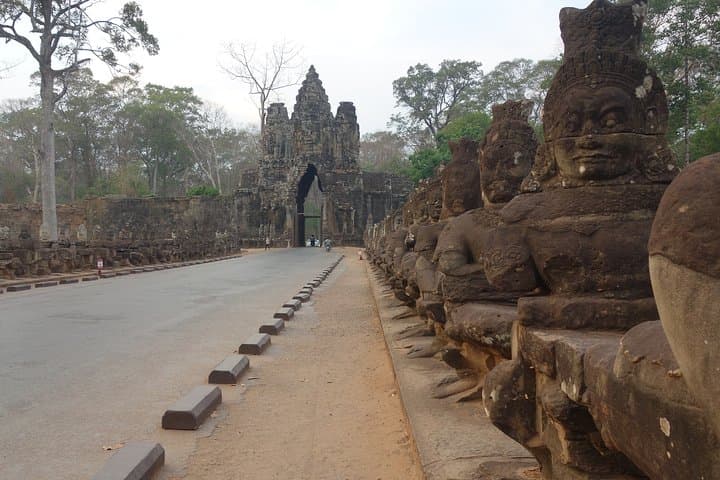
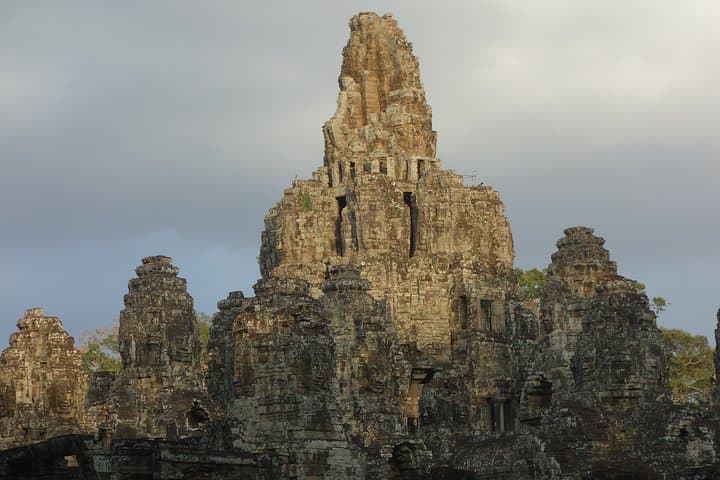
You arrive before dawn, the air already warm, and the Angkor causeway sits like an ancient runway cutting through shadow and lotus. The first day unfolds in stone: Angkor Wat’s vast galleries, the carved faces of Bayon, the steep tiers of Baphuon and the root-entangled corridors of Ta Prohm where trees push through bas-relief and demand attention.
You arrive before dawn, the air already warm, and the Angkor causeway sits like an ancient runway cutting through shadow and lotus. The first day unfolds in stone: Angkor Wat’s vast galleries, the carved faces of Bayon, the steep tiers of Baphuon and the root-entangled corridors of Ta Prohm where trees push through bas-relief and demand attention.
These temples are chapters of the Khmer Empire (9th–15th centuries), built on sandstone and laterite that record kingship, ceremony and hydraulic engineering. Geologically the plain is low and flat; the stone complexes sit on compacted sand and paved causeways with isolated steep staircases on temple towers. Cultural threads are immediate — monks in saffron, villagers maintaining silk looms, and the seasonal pulse of Tonle Sap where houses rise with the lake.
Practical guidance: tours start around 8:00 am with hotel pickup in Siem Reap; expect three long days (roughly 8–10 hours each). Walking per site ranges from short courtyard strolls to 1–2 km approaches (Kbal Spean includes a 1–1.5 km jungle walk with uneven footing and ~100–150 m ascent). Surfaces are mostly compacted earth, sand and ancient stone; several sites have steep steps that are not recommended for people with limited mobility.
Bring sun protection, a reusable water bottle, light long sleeves and a sarong or pants to meet the strict temple dress code (knees and shoulders covered). Respect temple rules, accept the local rhythm — the guide sequences monuments to avoid midday heat and to show both archaeological highlights and village life at Tonle Sap.