THE ADVENTURE COLLECTIVE® · Independent discovery and booking for outdoor travel

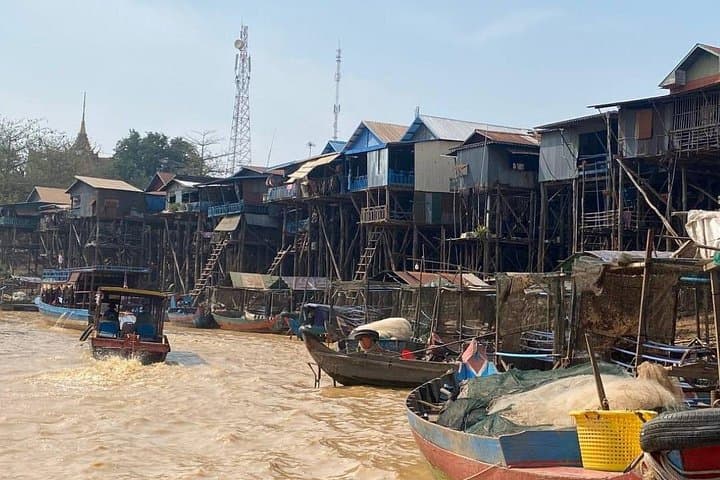
Spend three days moving from the monumental symmetry of Angkor’s temples to the fluid economy of Kampong Phluk on Tonlé Sap. This guided itinerary combines sunrise vistas, intricate stone carving, and a boat trip through flooded forests for a compact cultural immersion.
Spend three days moving from the monumental symmetry of Angkor’s temples to the fluid economy of Kampong Phluk on Tonlé Sap. This guided itinerary combines sunrise vistas, intricate stone carving, and a boat trip through flooded forests for a compact cultural immersion.
Book with Angkor Daily Trip
Book directly with Angkor Daily Trip for the best rates and real-time scheduling.
Reserve NowVerified experiences and guided adventures in the surrounding area.
Operated by Angkor Daily Trip · Siem Reap, Siem Reap Province
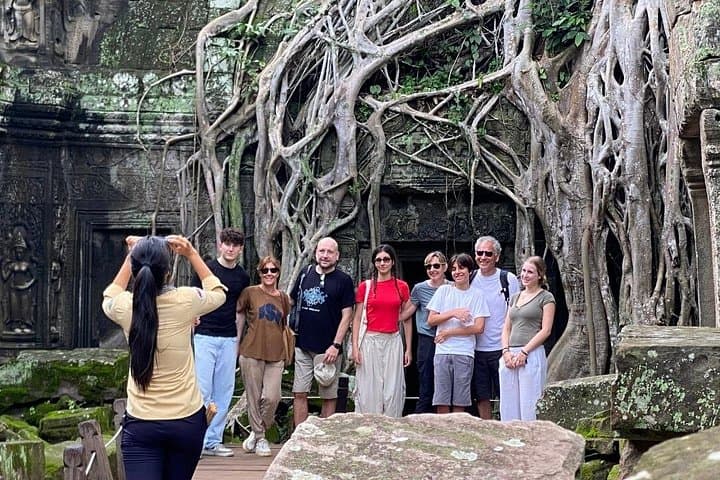
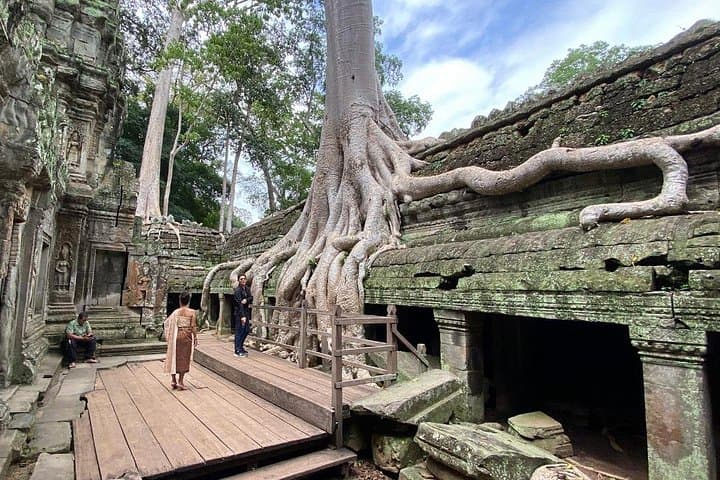
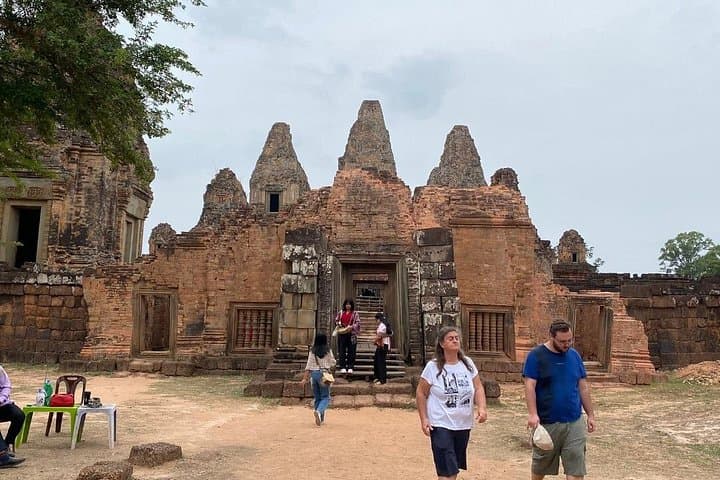
Morning light skims the moat and the towers of Angkor Wat pierce a pale sky — your first breath here tastes of dust, incense and humid history. Over three days you move from the measured geometry of sandstone galleries to the liquid, shifting lives of Tonlé Sap; temples give way to boats and wooden stilts, and each setting tests a different sense of travel.
easy.
3 days.
Suitable for travelers in average health who can walk on uneven stone steps and board small boats; minimal sustained exertion.
Yes — entrance to the Angkor Archaeological Park requires a ticket (1‑, 3‑ or 7‑day passes); operators commonly help arrange them but you can buy one at the ticket center.
Yes, but the appearance of Kampong Phluk changes with the monsoon: higher water (July–February) submerges walkways and emphasizes boat travel, while drier months expose more shoreline and stilts.
Yes — the itinerary includes air‑conditioned vehicle transfers and hotel pickup/drop‑off within Siem Reap as noted in the tour inclusions.
Major entrances and outer galleries are reachable, but many inner sanctuaries, steep steps and uneven ruins are not; travelers with serious mobility constraints should check specifics and consider ground-floor viewpoints.
Angkor’s temples were built by Khmer kings between the 9th and 13th centuries as state temples and hydraulic centers; Angkor Wat itself was dedicated to Vishnu and later adapted to Buddhist use.
Tonlé Sap is a globally significant freshwater fisheries system under pressure from overfishing and development; visitors are encouraged to avoid plastic waste, stay on marked paths, and support local community-run services.
Angkor Daily Trip operates guided outdoor trips and adventures with an emphasis on safety, stewardship, and memorable experiences.
Book with Angkor Daily Trip
Book directly with Angkor Daily Trip for the best rates and real-time scheduling.
Reserve Now