THE ADVENTURE COLLECTIVE® · Independent discovery and booking for outdoor travel

Spend three days moving from sunrise at Angkor Wat to the root-choked corridors of Ta Prohm and the seasonal life of Tonlé Sap. This practical guide outlines what to expect—history, timing, and the gear that makes long temple days comfortable.
Spend three days moving from sunrise at Angkor Wat to the root-choked corridors of Ta Prohm and the seasonal life of Tonlé Sap. This practical guide outlines what to expect—history, timing, and the gear that makes long temple days comfortable.
You arrive before dawn, motorbike engines hush and mist lifts off the moat as Angkor Wat's silhouette sharpens against a pale sky. The temple's reflection trembles in the water while guides whisper the layout of the site and the sequence of the morning light. That first hour—cool, crowded, alive—sets the tone for three days of stone, roots and water.
Verified experiences and guided adventures in the surrounding area.
Operated by Angkor Boutique Tours · Siem Reap, Siem Reap Province
You arrive before dawn, motorbike engines hush and mist lifts off the moat as Angkor Wat's silhouette sharpens against a pale sky. The temple's reflection trembles in the water while guides whisper the layout of the site and the sequence of the morning light. That first hour—cool, crowded, alive—sets the tone for three days of stone, roots and water.
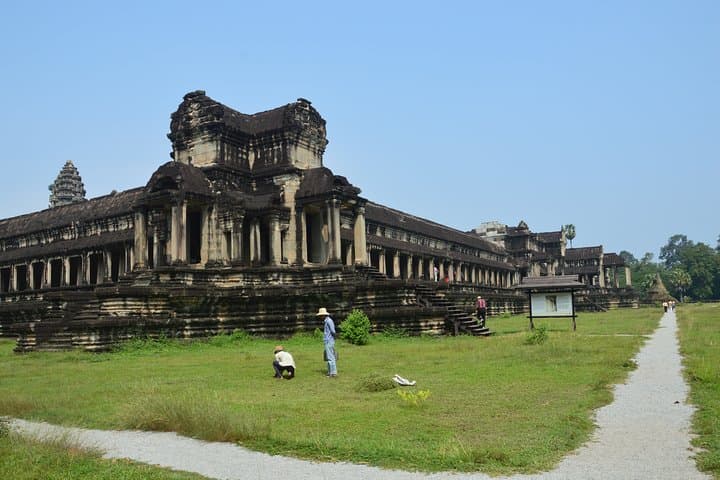
The Angkor complex grew from the Khmer Empire (9th–15th centuries). Angkor Wat, begun in the 12th century by King Suryavarman II, faces west and later became a major Buddhist site. Across Angkor Thom the Bayon stares out with its many carved faces; Ta Prohm is famous for banyan roots wrapping walls like living scaffolding; Banteay Srei sits away from the central group in pink sandstone with unusually fine carving. The third day’s boat on Tonlé Sap exposes a different ecology: stilt houses, shifting waterlines and seasonal fishing cultures tied to the lake’s flood pulse.
Practical guidance: expect full days on uneven stone and dusty tracks—sturdy shoes and sun protection are non-negotiable. Dress respectfully: shoulders and knees covered at active temples. Angkor Park requires an entry pass (buy at the park ticket center) and sunrise slots are busiest—arrive early. Guides and A/C transfer simplify logistics; bring cash for small purchases and tips. For quieter photos, plan mid-morning breaks and aim for later temples like Beng Mealea when crowds thin. Move deliberately through carved galleries and remember: these ruins are fragile—stay on paths and follow your guide to preserve both experience and site.
moderate.
3 days (full-day touring).
Basic to good walking fitness; able to handle multiple hours on uneven stone, some steep stairs and dusty paths each day
Yes. Angkor Archaeological Park requires an entry pass (Angkor Pass) purchased at the park ticket center; longer-duration passes are available for multi-day visits.
Many tours include ground transport and a guide but not the Angkor Pass or optional boat fees—confirm inclusions with your operator before booking.
Yes—sunrise offers dramatic light and reflection views, though it’s busiest; arriving early improves photo opportunities and the experience.
Guides typically sequence temples for light and crowd management; some sites (Banteay Srei, Beng Mealea) are farther out and are best scheduled on specific days to reduce transit time.
Angkor was the political and religious center of the Khmer Empire from the 9th to 15th centuries; Angkor Wat was built in the 12th century and shifted from Hindu to Buddhist use over time.
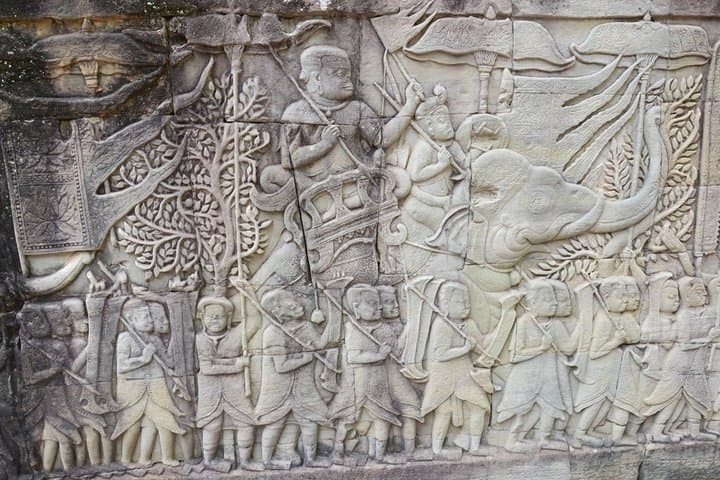
Heavy visitation strains fragile stone and local water resources—stick to paths, avoid touching bas-reliefs and support community-run services when possible.
Angkor Boutique Tours operates guided outdoor trips and adventures with an emphasis on safety, stewardship, and memorable experiences.
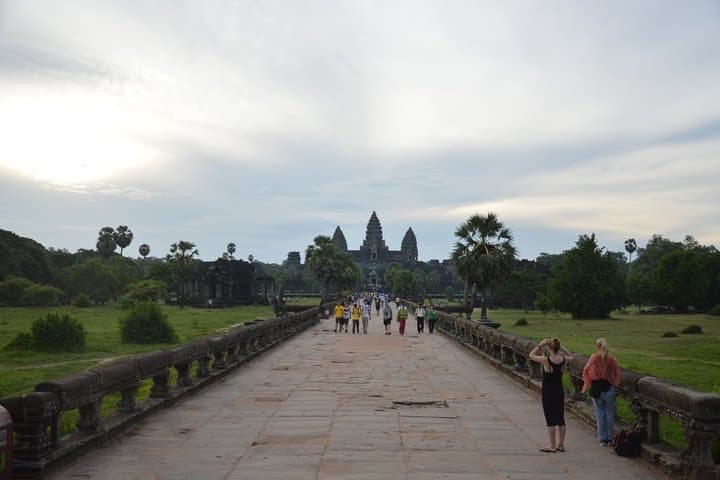
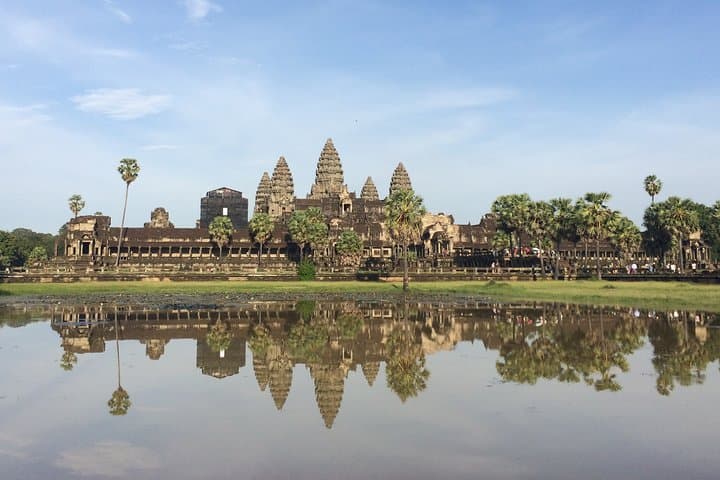
You arrive before dawn, motorbike engines hush and mist lifts off the moat as Angkor Wat's silhouette sharpens against a pale sky. The temple's reflection trembles in the water while guides whisper the layout of the site and the sequence of the morning light. That first hour—cool, crowded, alive—sets the tone for three days of stone, roots and water.
You arrive before dawn, motorbike engines hush and mist lifts off the moat as Angkor Wat's silhouette sharpens against a pale sky. The temple's reflection trembles in the water while guides whisper the layout of the site and the sequence of the morning light. That first hour—cool, crowded, alive—sets the tone for three days of stone, roots and water.
The Angkor complex grew from the Khmer Empire (9th–15th centuries). Angkor Wat, begun in the 12th century by King Suryavarman II, faces west and later became a major Buddhist site. Across Angkor Thom the Bayon stares out with its many carved faces; Ta Prohm is famous for banyan roots wrapping walls like living scaffolding; Banteay Srei sits away from the central group in pink sandstone with unusually fine carving. The third day’s boat on Tonlé Sap exposes a different ecology: stilt houses, shifting waterlines and seasonal fishing cultures tied to the lake’s flood pulse.
Practical guidance: expect full days on uneven stone and dusty tracks—sturdy shoes and sun protection are non-negotiable. Dress respectfully: shoulders and knees covered at active temples. Angkor Park requires an entry pass (buy at the park ticket center) and sunrise slots are busiest—arrive early. Guides and A/C transfer simplify logistics; bring cash for small purchases and tips. For quieter photos, plan mid-morning breaks and aim for later temples like Beng Mealea when crowds thin. Move deliberately through carved galleries and remember: these ruins are fragile—stay on paths and follow your guide to preserve both experience and site.