THE ADVENTURE COLLECTIVE® · Independent discovery and booking for outdoor travel

See Angkor Wat at sunrise, walk the Small and Big Circuits, then follow mountain streams to Phnom Kulen’s 1000 Lingas and waterfall. This three-day private tour combines major temples with a sacred riverbed and local craft stops.
See Angkor Wat at sunrise, walk the Small and Big Circuits, then follow mountain streams to Phnom Kulen’s 1000 Lingas and waterfall. This three-day private tour combines major temples with a sacred riverbed and local craft stops.
You arrive before dawn to the wide reflection pool at Angkor Wat, where the first light pries itself over sandstone towers and the air smells of warm stone and diesel from tuk-tuks. The guide folds a map into the afternoon like a roadmap to discovery, and the day moves from the hush of sunrise to the humid pulse of the temple corridors.
Verified experiences and guided adventures in the surrounding area.
Operated by Passion Indochina Travel · Siem Reap, Siem Reap Province
You arrive before dawn to the wide reflection pool at Angkor Wat, where the first light pries itself over sandstone towers and the air smells of warm stone and diesel from tuk-tuks. The guide folds a map into the afternoon like a roadmap to discovery, and the day moves from the hush of sunrise to the humid pulse of the temple corridors.
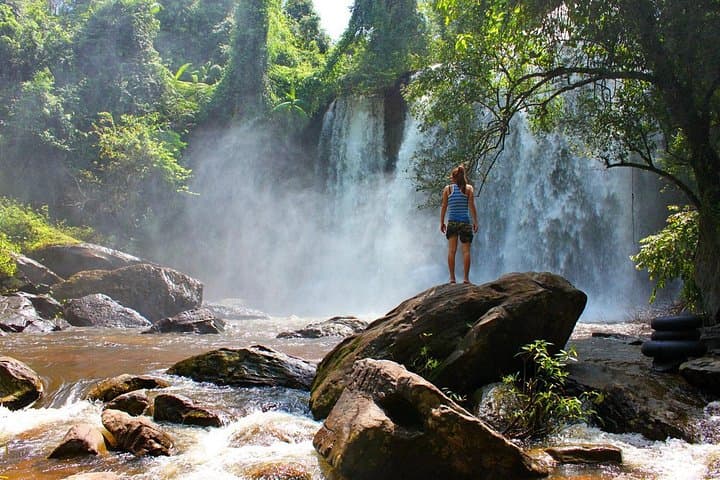
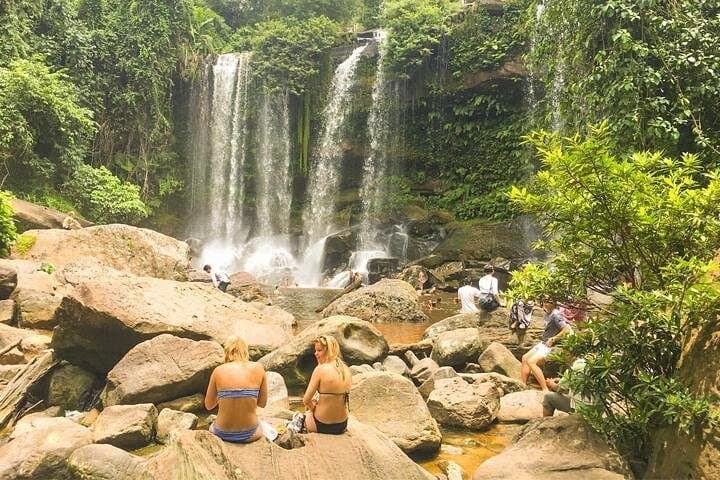
This three-day loop follows both the Small and Big Circuits of the Angkor complex and extends 60+ km to Phnom Kulen, a sacred ridge where 10th–12th century artisans carved lingas into a riverbed and builders hewed a reclining Buddha from a living rock. Geologically, the Kulen ridge is a sandstone plateau feeding tributaries that dare you into pools beneath a year-round cascade. Culturally, these sites record the height of the Khmer Empire—royal enclosures, temple-mountains and bas‑reliefs that track Hindu to Buddhist transitions.
Expect uneven stone steps, sandy tracks, shaded groves and occasional steep climbs (Phnom Bakheng for sunset is a short but crowded ascent). Temperatures climb quickly; mornings and late afternoons are best for photography and walking. Bring modest clothing for temple entry (knees and shoulders covered), a refillable water bottle, sturdy shoes, sunscreen and a light rain jacket during the wet season. Guides commonly arrange temple passes and handle logistics; confirm hotel pickup times and pass costs in advance (three-day Angkor pass sold separately).
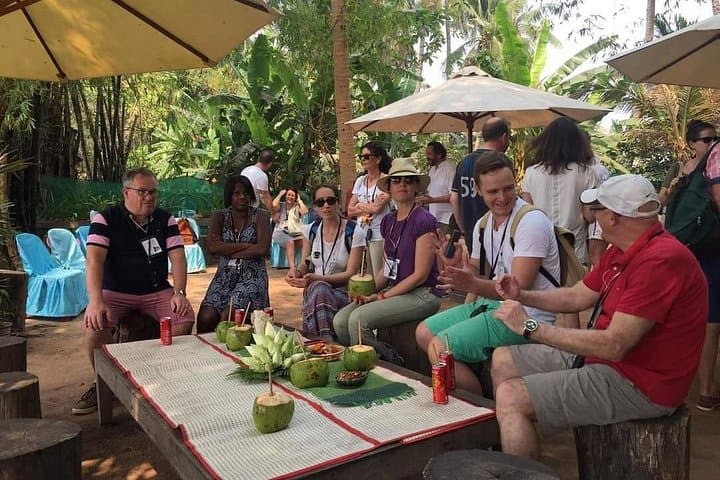
Plan for 3 days of moderate walking with vehicle transfers, intermittent swims at Kulen waterfall if desired, and time for local crafts markets in Siem Reap. Travel with curiosity and respect—the stones have patience, tours do not.
moderate.
3 days (approx. 72 hours).
Moderate fitness for repeated walking on uneven stone surfaces, short steep climbs and handling heat and humidity.
No—the three-day temple pass (approximately USD 62) is purchased separately; guides typically stop en route to help you obtain it on day one.
Yes, swimming is allowed in designated pools but check seasonal water flow and follow local safety signs; currents can be strong after heavy rain.
Shoulders and knees should be covered; avoid revealing clothing and remove hats inside some sanctuary areas.
Phnom Kulen is about 60–80 km from Angkor Park and typically requires 1.5–2.5 hours each way depending on road and traffic conditions.
The Angkor complex grew under Khmer kings from the 9th to 15th centuries; Phnom Kulen later became a sacred coronation and pilgrimage site with carved lingas honoring Shiva.
Rising visitor numbers stress sandstone and bas‑reliefs—stay on paths, avoid touching carvings and support local artisans instead of buying mass-produced souvenirs.
Passion Indochina Travel operates guided outdoor trips and adventures with an emphasis on safety, stewardship, and memorable experiences.
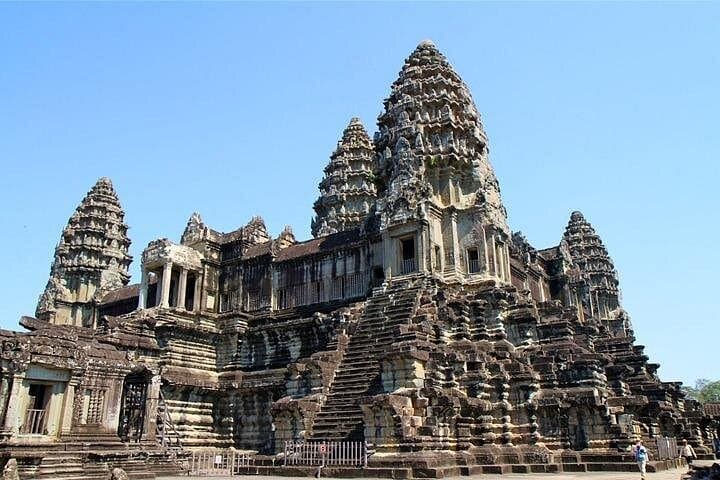
You arrive before dawn to the wide reflection pool at Angkor Wat, where the first light pries itself over sandstone towers and the air smells of warm stone and diesel from tuk-tuks. The guide folds a map into the afternoon like a roadmap to discovery, and the day moves from the hush of sunrise to the humid pulse of the temple corridors.
You arrive before dawn to the wide reflection pool at Angkor Wat, where the first light pries itself over sandstone towers and the air smells of warm stone and diesel from tuk-tuks. The guide folds a map into the afternoon like a roadmap to discovery, and the day moves from the hush of sunrise to the humid pulse of the temple corridors.
This three-day loop follows both the Small and Big Circuits of the Angkor complex and extends 60+ km to Phnom Kulen, a sacred ridge where 10th–12th century artisans carved lingas into a riverbed and builders hewed a reclining Buddha from a living rock. Geologically, the Kulen ridge is a sandstone plateau feeding tributaries that dare you into pools beneath a year-round cascade. Culturally, these sites record the height of the Khmer Empire—royal enclosures, temple-mountains and bas‑reliefs that track Hindu to Buddhist transitions.
Expect uneven stone steps, sandy tracks, shaded groves and occasional steep climbs (Phnom Bakheng for sunset is a short but crowded ascent). Temperatures climb quickly; mornings and late afternoons are best for photography and walking. Bring modest clothing for temple entry (knees and shoulders covered), a refillable water bottle, sturdy shoes, sunscreen and a light rain jacket during the wet season. Guides commonly arrange temple passes and handle logistics; confirm hotel pickup times and pass costs in advance (three-day Angkor pass sold separately).
Plan for 3 days of moderate walking with vehicle transfers, intermittent swims at Kulen waterfall if desired, and time for local crafts markets in Siem Reap. Travel with curiosity and respect—the stones have patience, tours do not.