THE ADVENTURE COLLECTIVE® · Independent discovery and booking for outdoor travel

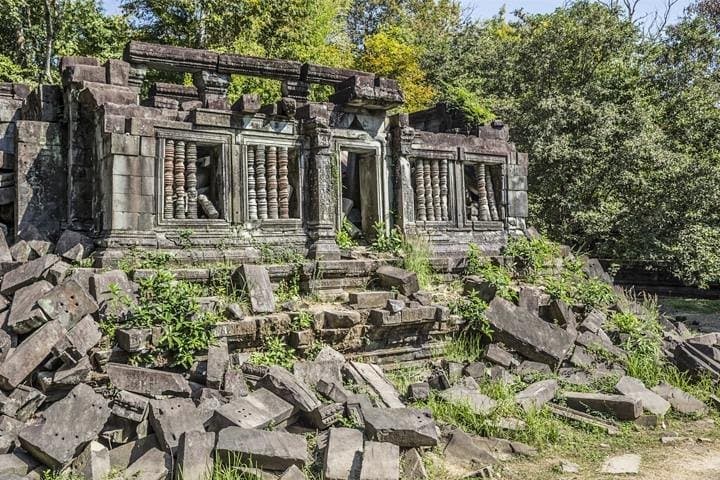
Watch sunrise over Angkor Wat, trace the carved histories of Angkor Thom, and explore the wild, half-collapsed Beng Mealea on a private three-day circuit. Practical pick-up, AC transport, and a licensed English-speaking guide make this a focused cultural adventure.
Watch sunrise over Angkor Wat, trace the carved histories of Angkor Thom, and explore the wild, half-collapsed Beng Mealea on a private three-day circuit. Practical pick-up, AC transport, and a licensed English-speaking guide make this a focused cultural adventure.
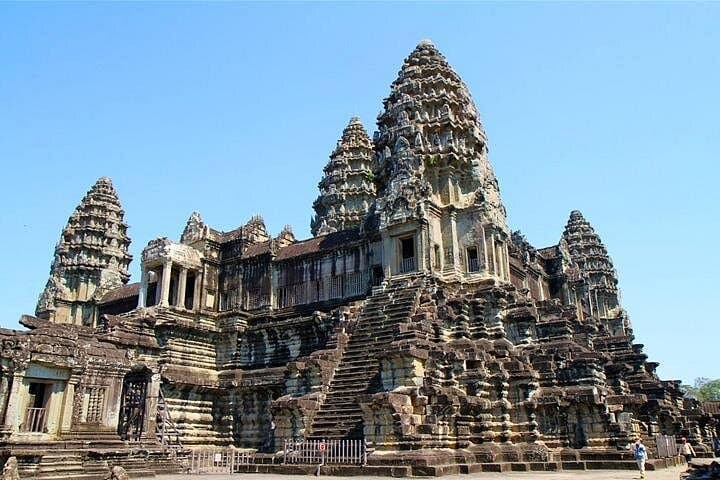
The day begins before light, tuk-tuks and air-conditioned vans humming toward a mirror-still moat as the first sun pries open the silhouette of Angkor Wat. Visitors stand on the causeway while cool wet towels and bottled water are handed out — a gentle reminder that this is both a spectacle and a long day of stone and sky.
Verified experiences and guided adventures in the surrounding area.
Operated by Passion Indochina Travel · Siem Reap, Siem Reap Province
The day begins before light, tuk-tuks and air-conditioned vans humming toward a mirror-still moat as the first sun pries open the silhouette of Angkor Wat. Visitors stand on the causeway while cool wet towels and bottled water are handed out — a gentle reminder that this is both a spectacle and a long day of stone and sky.
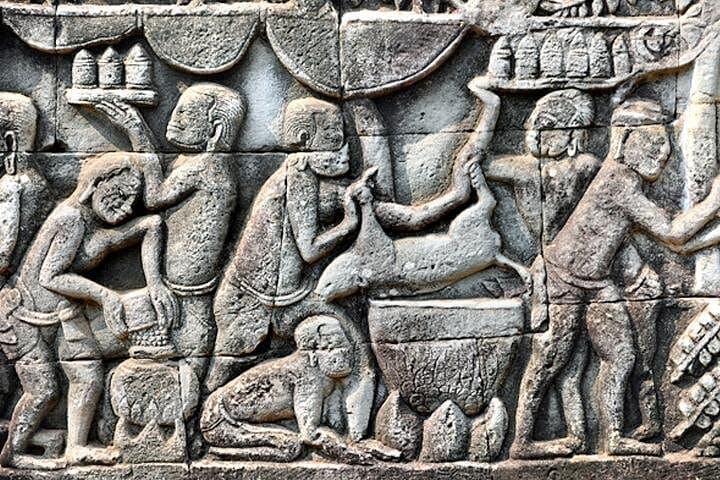
Across three days the route moves from the carved bass-reliefs of Angkor Wat and the serene faces of Bayon in Angkor Thom, to tree-root-draped Ta Prohm and the half-swallowed corridors of Beng Mealea. Built of sandstone and laterite between the 9th and 13th centuries under successive Khmer kings, the complex sits on riverine alluvium that feeds the moat systems; the rocks show weathered tooling and centuries of monsoon wear. The local culture remains tied to these sites: guides are licensed, markets sell stamped postcards, and morning offerings at nearby villages still honor ancient rites.
Practically, expect lots of walking on uneven stone, short climbs, humidity, and strong sun. Temple passes are required and typically purchased en route; sunrise visits start very early and return midday for a break before afternoon circuits. Beng Mealea offers a more exploratory, less-restored feel—bring sensible shoes and a headlamp if you want to probe shadowed galleries. Respectful dress (covering shoulders and knees) is required in major temples; modesty and low voices maintain the site's cultural dignity.
Timing your days (sunrise at Angkor Wat, late afternoon at Phnom Bakheng for sunset) keeps crowds manageable. Cash, a good local guide, plenty of water, and patience will turn these stone ruins into a living, historical landscape rather than a checklist of photo stops.
moderate.
2 days (guided sightseeing) with early starts for sunrise.
Moderate fitness—able to walk 3–6 miles a day on uneven stone and climb short staircases
Yes—an Angkor pass is required for entry and is commonly purchased near Siem Reap or at the official ticket center en route; bring passport-sized ID and cash.
Expect a pickup around 4:30–5:00am for sunrise, depending on your hotel’s location and time of year—confirm exact pickup with your operator.
Beng Mealea is less restored with uneven, sometimes steep sections—children and seniors should be supervised and wear good footwear; the tour notes 'suitable for all fitness levels' but mobility varies by person.
The itinerary includes hotel pickup, AC vehicle transport, a licensed English-speaking guide, and cool water/wet towels; lunches are typically at local restaurants and paid separately (roughly from US$5 per dish).
Angkor was the heart of the Khmer Empire from the 9th to 15th centuries; these temples reflect Hindu and later Buddhist patronage and changing dynastic styles.
High visitor numbers stress fragile sandstone carvings—follow marked paths, avoid touching bas-reliefs, and support licensed guides and local conservation fees.
Passion Indochina Travel operates guided outdoor trips and adventures with an emphasis on safety, stewardship, and memorable experiences.
The day begins before light, tuk-tuks and air-conditioned vans humming toward a mirror-still moat as the first sun pries open the silhouette of Angkor Wat. Visitors stand on the causeway while cool wet towels and bottled water are handed out — a gentle reminder that this is both a spectacle and a long day of stone and sky.
The day begins before light, tuk-tuks and air-conditioned vans humming toward a mirror-still moat as the first sun pries open the silhouette of Angkor Wat. Visitors stand on the causeway while cool wet towels and bottled water are handed out — a gentle reminder that this is both a spectacle and a long day of stone and sky.
Across three days the route moves from the carved bass-reliefs of Angkor Wat and the serene faces of Bayon in Angkor Thom, to tree-root-draped Ta Prohm and the half-swallowed corridors of Beng Mealea. Built of sandstone and laterite between the 9th and 13th centuries under successive Khmer kings, the complex sits on riverine alluvium that feeds the moat systems; the rocks show weathered tooling and centuries of monsoon wear. The local culture remains tied to these sites: guides are licensed, markets sell stamped postcards, and morning offerings at nearby villages still honor ancient rites.
Practically, expect lots of walking on uneven stone, short climbs, humidity, and strong sun. Temple passes are required and typically purchased en route; sunrise visits start very early and return midday for a break before afternoon circuits. Beng Mealea offers a more exploratory, less-restored feel—bring sensible shoes and a headlamp if you want to probe shadowed galleries. Respectful dress (covering shoulders and knees) is required in major temples; modesty and low voices maintain the site's cultural dignity.
Timing your days (sunrise at Angkor Wat, late afternoon at Phnom Bakheng for sunset) keeps crowds manageable. Cash, a good local guide, plenty of water, and patience will turn these stone ruins into a living, historical landscape rather than a checklist of photo stops.