THE ADVENTURE COLLECTIVE® · Independent discovery and booking for outdoor travel

A three‑day circuit that pairs Angkor’s great temples with the waterfalls of Phnom Kulen and the living communities of Tonle Sap. Expect long, culturally rich days of walking, sunrise views, and water‑season contrasts.
A three‑day circuit that pairs Angkor’s great temples with the waterfalls of Phnom Kulen and the living communities of Tonle Sap. Expect long, culturally rich days of walking, sunrise views, and water‑season contrasts.
The morning light cuts across sandstone tiers as you step from an air‑conditioned van into the wide, quiet forecourt of Angkor Wat. Monks move like punctuation between the galleries; the jungle pushes at the outer walls and the river at Kulen dares you to draw closer. Over three long days the tour threads classic Angkor monuments with the high, mossy falls of Kulen and the broad, floating communities of Tonle Sap.
Verified experiences and guided adventures in the surrounding area.
Operated by Icare Tours · Siem Reap, Siem Reap Province
The morning light cuts across sandstone tiers as you step from an air‑conditioned van into the wide, quiet forecourt of Angkor Wat. Monks move like punctuation between the galleries; the jungle pushes at the outer walls and the river at Kulen dares you to draw closer. Over three long days the tour threads classic Angkor monuments with the high, mossy falls of Kulen and the broad, floating communities of Tonle Sap.
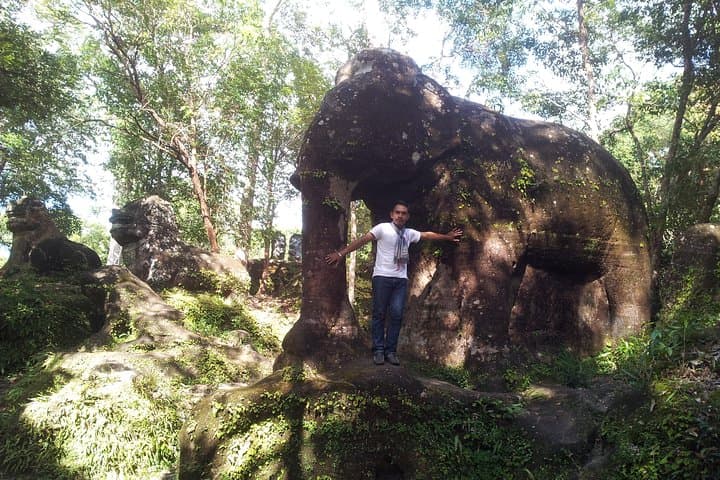
These sites span deep history: Angkor is the heart of the Khmer Empire (9th–15th centuries), Banteay Srei shows some of the finest pink‑sandstone carving in Cambodia, and Phnom Kulen’s riverbed is carved with ancient lingas — both spiritual landscape and geological record of uplifted sandstone and seasonal runoff. Tonle Sap is a reversed river system that swells each monsoon, sustaining fisheries and floating villages that shape local culture.
Expect long days of walking on uneven stone and forest trails, sudden sun and sudden shade, and the steady chorus of birds and insects. Guides steer you through temple chronology, practical routes and respectful customs.
Practical guidance: carry Cambodian riel or USD for park passes and small purchases, wear shoulder‑covering clothes for temple entrances, and bring at least 2 liters of water and a lightweight rain layer in the wet season. Sunrise visits are cooler but crowded; mid‑day visits are quieter but hotter. Plan rest breaks and trust local advice on safety and cultural etiquette to get the most from each site.
moderate.
3 days (approx. 8am–5pm daily).
Suitable for travelers in light to moderate fitness—expect sustained walking on stone steps and uneven trails and full days in heat.
Yes—Angkor Archaeological Park passes are purchased separately at the park ticket office; boat rides on Tonle Sap are typically an extra cost paid locally.
Sunrise visits can be scheduled on day two as noted; pick‑up from Siem Reap hotels is commonly provided—confirm your pickup point when booking.
Some pools below Kulen falls are safe to wade in seasonally, but water levels and currents vary—follow guide instructions and avoid swimming after heavy rains.
The itinerary is physically easy per the operator, but long days and uneven steps may be challenging—consider pace, mobility needs, and heat tolerance when booking.
Angkor was the political and spiritual center of the Khmer Empire from the 9th to 15th centuries; many temples served as both state shrines and hydraulic anchors for rice production.
Tourism pressure and seasonal flooding challenge conservation; follow park rules, avoid touching carvings, and minimize single‑use plastics to reduce impact.
Icare Tours operates guided outdoor trips and adventures with an emphasis on safety, stewardship, and memorable experiences.
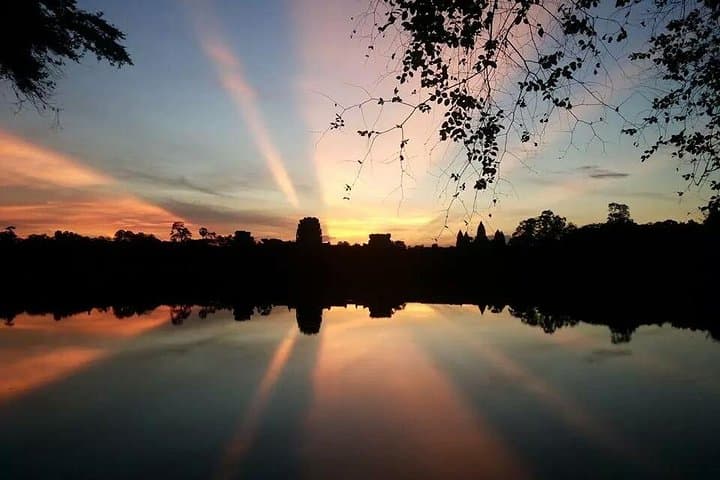
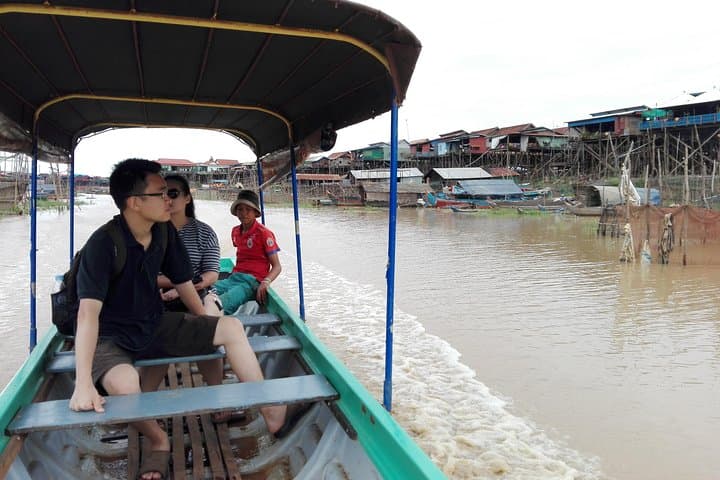
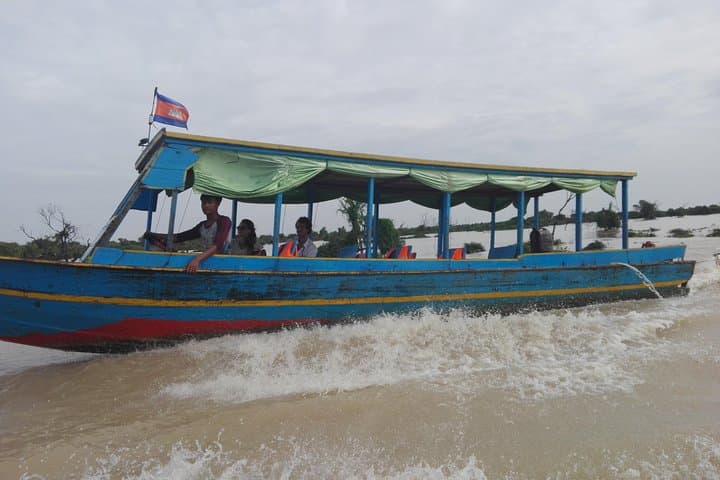
The morning light cuts across sandstone tiers as you step from an air‑conditioned van into the wide, quiet forecourt of Angkor Wat. Monks move like punctuation between the galleries; the jungle pushes at the outer walls and the river at Kulen dares you to draw closer. Over three long days the tour threads classic Angkor monuments with the high, mossy falls of Kulen and the broad, floating communities of Tonle Sap.
The morning light cuts across sandstone tiers as you step from an air‑conditioned van into the wide, quiet forecourt of Angkor Wat. Monks move like punctuation between the galleries; the jungle pushes at the outer walls and the river at Kulen dares you to draw closer. Over three long days the tour threads classic Angkor monuments with the high, mossy falls of Kulen and the broad, floating communities of Tonle Sap.
These sites span deep history: Angkor is the heart of the Khmer Empire (9th–15th centuries), Banteay Srei shows some of the finest pink‑sandstone carving in Cambodia, and Phnom Kulen’s riverbed is carved with ancient lingas — both spiritual landscape and geological record of uplifted sandstone and seasonal runoff. Tonle Sap is a reversed river system that swells each monsoon, sustaining fisheries and floating villages that shape local culture.
Expect long days of walking on uneven stone and forest trails, sudden sun and sudden shade, and the steady chorus of birds and insects. Guides steer you through temple chronology, practical routes and respectful customs.
Practical guidance: carry Cambodian riel or USD for park passes and small purchases, wear shoulder‑covering clothes for temple entrances, and bring at least 2 liters of water and a lightweight rain layer in the wet season. Sunrise visits are cooler but crowded; mid‑day visits are quieter but hotter. Plan rest breaks and trust local advice on safety and cultural etiquette to get the most from each site.