THE ADVENTURE COLLECTIVE® · Independent discovery and booking for outdoor travel

Spend three days moving from Angkor Wat’s sunrise glow to the jungle-split corridors of Beng Mealea, Koh Ker’s pyramid terraces and Kulen’s waterfalls. This guided tour balances the major monuments with quieter rural stops for local markets and cultural insights.
Spend three days moving from Angkor Wat’s sunrise glow to the jungle-split corridors of Beng Mealea, Koh Ker’s pyramid terraces and Kulen’s waterfalls. This guided tour balances the major monuments with quieter rural stops for local markets and cultural insights.
Before dawn the bus rumbles out of Siem Reap and the silhouette of Angkor Wat sharpens against a pale sky. The air carries wet earth and incense; stone faces and jungle roots slowly reveal themselves as daylight climbs. Over three days this tour moves from the polished courtyards of Angkor Wat and Bayon to the raw, vine-entwined corridors of Beng Mealea, then farther north to the stepped pyramid of Koh Ker and the rushing waterfalls of Phnom Kulen.
Verified experiences and guided adventures in the surrounding area.
Operated by Angkor Elephant Tour · Siem Reap, Siem Reap Province
Before dawn the bus rumbles out of Siem Reap and the silhouette of Angkor Wat sharpens against a pale sky. The air carries wet earth and incense; stone faces and jungle roots slowly reveal themselves as daylight climbs. Over three days this tour moves from the polished courtyards of Angkor Wat and Bayon to the raw, vine-entwined corridors of Beng Mealea, then farther north to the stepped pyramid of Koh Ker and the rushing waterfalls of Phnom Kulen.
Angkor Wat and Angkor Thom are products of the Khmer Empire’s 9th–13th century expansions; Bayon’s many faces record political theology, while Koh Ker reflects a brief royal relocation under Jayavarman IV. Kulen’s sandstone beds hold the River of a Thousand Linga—carved bas-reliefs marking the Khmer shift to sacred geography—and nearby Banteay Srei is noted for its delicate pink sandstone carving.
Expect a mix of paved causeways, worn sandstone steps and muddy trails in the rainy season. Temple platforms demand steady footing; some climbs are steep but short. Cultural cues matter: cover knees and shoulders, remove hats in inner sanctuaries, and accept local vendors with polite declines.
Practical notes: sunrise pickup is very early—pack a headlamp or flashlight for the short walk to viewing platforms. Buy an Angkor Pass in Siem Reap the day before to avoid queues. Bring refillable water, sun protection, and a light rain layer in wet months. Allow time between sites: the magic of these places is as much in lingering on a ruined lintel as in ticking off the highlights.
moderate.
3 days.
Light to moderate fitness—able to walk several hours total each day and climb temple steps repeatedly
Yes — an Angkor pass (1-, 3-, or 7-day) is required for Angkor Park; it’s easiest to buy it in Siem Reap the day before your first visit.
Pickup for sunrise at Angkor Wat is typically before 5:00 AM—confirm exact time with the operator and prepare for a short walk to viewing areas.
The tour is advertised as suitable for all fitness levels, but temples have uneven steps and rough ground; some sites are wheelchair-unfriendly despite accessible transport.
Transport, guide service, cold towels and drinking water are included; plan to pay for lunch and any temple entrance fees (Angkor pass) unless stated otherwise.
These sites span Khmer history—from the 9th-century state temple at Koh Ker to Angkor’s 12th-century apogee—reflecting shifts in royal power, religion and stone-working techniques.
Heavy visitation stresses sandstone and fragile carvings; stick to marked paths, don’t climb fragile reliefs, and support local guides and community-run conservation initiatives.
Angkor Elephant Tour operates guided outdoor trips and adventures with an emphasis on safety, stewardship, and memorable experiences.
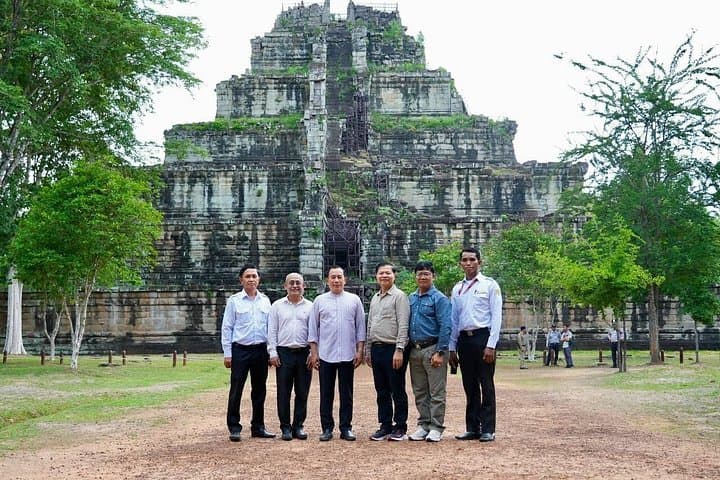
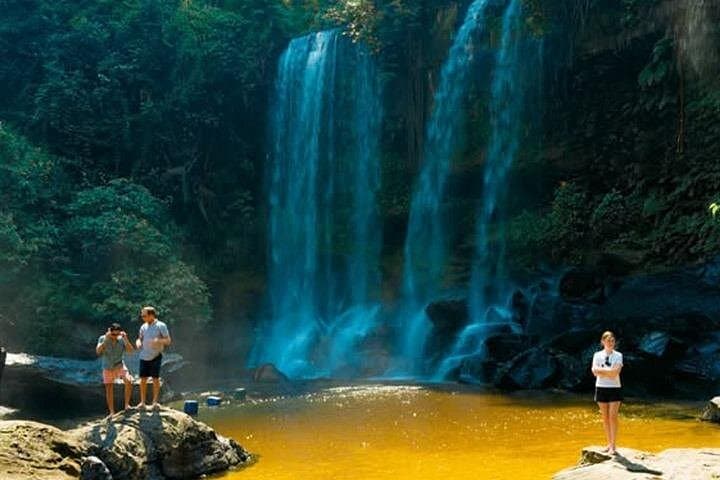
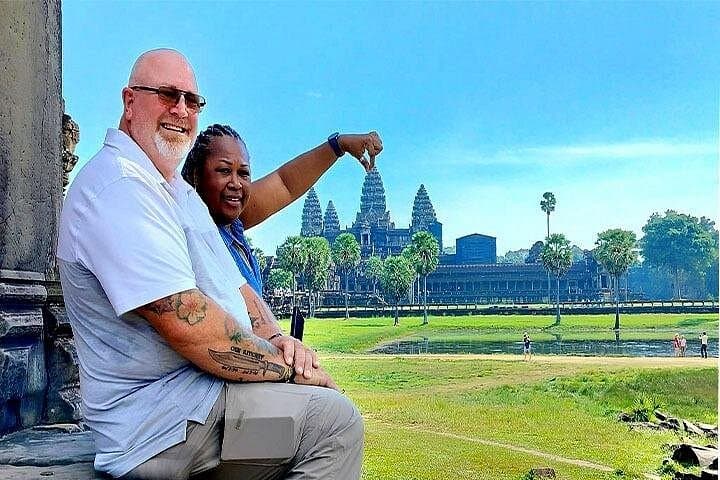
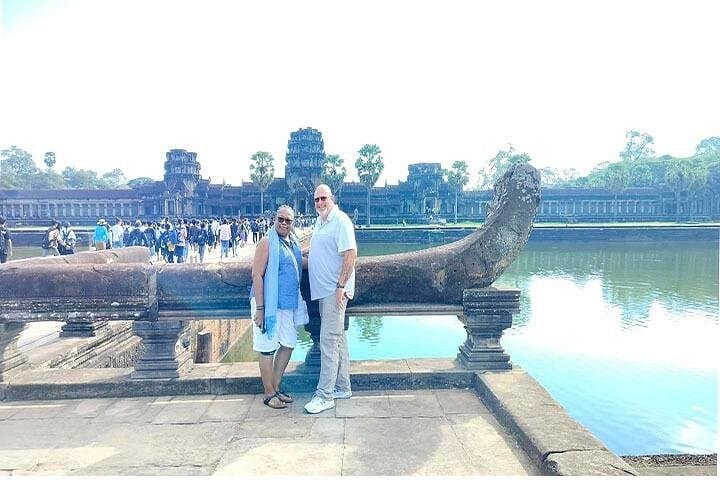
Before dawn the bus rumbles out of Siem Reap and the silhouette of Angkor Wat sharpens against a pale sky. The air carries wet earth and incense; stone faces and jungle roots slowly reveal themselves as daylight climbs. Over three days this tour moves from the polished courtyards of Angkor Wat and Bayon to the raw, vine-entwined corridors of Beng Mealea, then farther north to the stepped pyramid of Koh Ker and the rushing waterfalls of Phnom Kulen.
Before dawn the bus rumbles out of Siem Reap and the silhouette of Angkor Wat sharpens against a pale sky. The air carries wet earth and incense; stone faces and jungle roots slowly reveal themselves as daylight climbs. Over three days this tour moves from the polished courtyards of Angkor Wat and Bayon to the raw, vine-entwined corridors of Beng Mealea, then farther north to the stepped pyramid of Koh Ker and the rushing waterfalls of Phnom Kulen.
Angkor Wat and Angkor Thom are products of the Khmer Empire’s 9th–13th century expansions; Bayon’s many faces record political theology, while Koh Ker reflects a brief royal relocation under Jayavarman IV. Kulen’s sandstone beds hold the River of a Thousand Linga—carved bas-reliefs marking the Khmer shift to sacred geography—and nearby Banteay Srei is noted for its delicate pink sandstone carving.
Expect a mix of paved causeways, worn sandstone steps and muddy trails in the rainy season. Temple platforms demand steady footing; some climbs are steep but short. Cultural cues matter: cover knees and shoulders, remove hats in inner sanctuaries, and accept local vendors with polite declines.
Practical notes: sunrise pickup is very early—pack a headlamp or flashlight for the short walk to viewing platforms. Buy an Angkor Pass in Siem Reap the day before to avoid queues. Bring refillable water, sun protection, and a light rain layer in wet months. Allow time between sites: the magic of these places is as much in lingering on a ruined lintel as in ticking off the highlights.