THE ADVENTURE COLLECTIVE® · Independent discovery and booking for outdoor travel

Three days among Angkor’s greatest sites—watch sunrise at Angkor Wat, explore Ta Prohm’s tree-clenched corridors, and finish with a Tonle Sap sunset. This practical guide outlines what to expect, how to prepare, and the cultural context behind the stone.
Three days among Angkor’s greatest sites—watch sunrise at Angkor Wat, explore Ta Prohm’s tree-clenched corridors, and finish with a Tonle Sap sunset. This practical guide outlines what to expect, how to prepare, and the cultural context behind the stone.
Pre-dawn mist lifts across the reflection pond as you stand before Angkor Wat and watch stone silhouettes sharpen into spires. The first light threads between bas-reliefs; the temple exhales its history and the tour begins.
Verified experiences and guided adventures in the surrounding area.
Operated by Adventure Travel Cambodia · Siem Reap, Siem Reap Province
Pre-dawn mist lifts across the reflection pond as you stand before Angkor Wat and watch stone silhouettes sharpen into spires. The first light threads between bas-reliefs; the temple exhales its history and the tour begins.
Over three days you move from the colossal symmetry of Angkor Wat to the carved faces of Bayon that watch the city of Angkor Thom, and into the root-choked passageways of Ta Prohm where trees are actively claiming architecture back from human hands. Banteay Srei’s pink sandstone reveals minute carvings, while Beng Mealea sleeps like a jungle-gnawed giant—its ramps and galleries half-eaten by vines. The final evening unfurls on Tonle Sap, where floating villages and wide water reflect a sky streaked with sunset.
This is Khmer history in stone: Angkor rose under Suryavarman II in the 12th century and sprawled across laterite and sandstone foundations carved by artisans over generations. Culturally, expect quiet reverence at shrines and warm, informal encounters with local villagers whose livelihoods still tie to the lake.
Practically: purchase the Angkor pass (USD62 for two days as noted in the itinerary), be ready for early starts (sunrise pickups around 4:40 a.m.), and dress modestly—shoulders and knees covered in temple compounds. Terrain is flat but uneven—stone steps, loose sand and muddy tracks at Beng Mealea; comfortable walking shoes, water and mosquito protection are essential. Plan for heat, sudden showers in the wet season, and time to pause: these ruins reward slow, observant travel.
moderate.
3 days (approx 72 hours).
Suitable for travelers with moderate fitness who can handle several hours of walking each day on uneven stone and occasional stairs.
Yes—entry to the Angkor Archaeological Park requires a pass. The itinerary notes purchasing a 2-day pass (USD62); passes are available at the official ticket center near the park.
The tour is rated moderate: mostly walking on uneven stone, short flights of stairs and occasional muddy tracks—no technical climbing required.
Dress respectfully: cover shoulders and knees. Avoid hats and sunglasses during interior shrine visits and remove shoes when instructed.
Yes—the third day includes a private boat cruise to Kampong Phluk (Tonle Sap) timed for late afternoon and sunset.
Angkor was the heart of the Khmer Empire from the 9th–15th centuries; Angkor Wat itself was built in the early 12th century under Suryavarman II as a Hindu temple later transformed to Buddhist use.
Visitor pressure and water-table changes threaten carvings and structures; stick to marked paths, avoid touching bas-reliefs, and support local initiatives that protect Tonle Sap’s fisheries and wetlands.
Adventure Travel Cambodia operates guided outdoor trips and adventures with an emphasis on safety, stewardship, and memorable experiences.
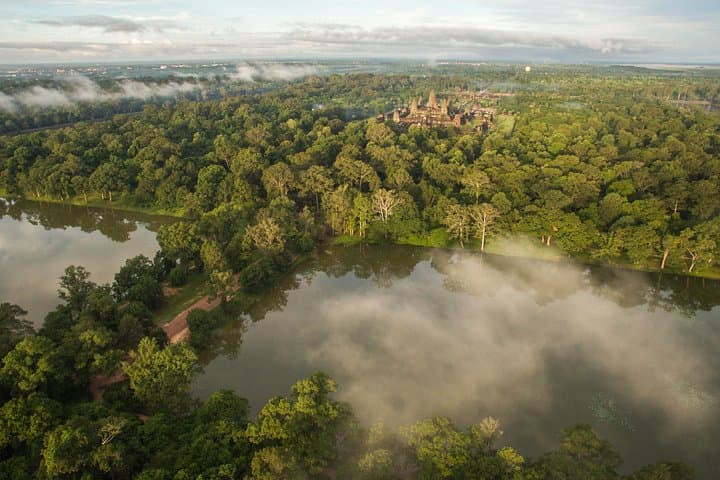
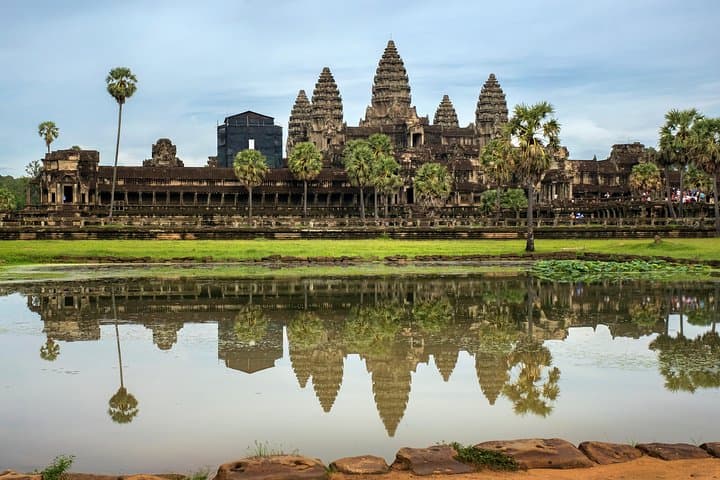
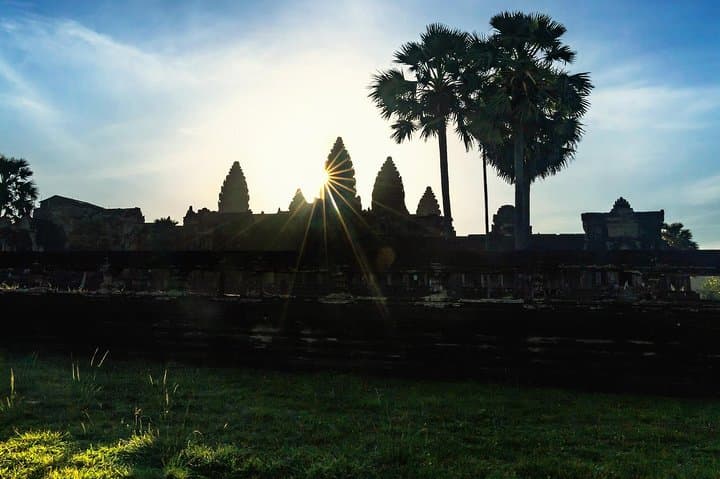
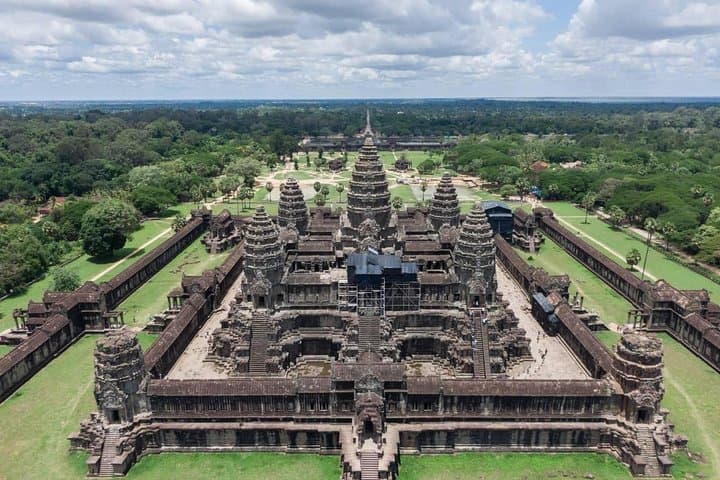
Pre-dawn mist lifts across the reflection pond as you stand before Angkor Wat and watch stone silhouettes sharpen into spires. The first light threads between bas-reliefs; the temple exhales its history and the tour begins.
Pre-dawn mist lifts across the reflection pond as you stand before Angkor Wat and watch stone silhouettes sharpen into spires. The first light threads between bas-reliefs; the temple exhales its history and the tour begins.
Over three days you move from the colossal symmetry of Angkor Wat to the carved faces of Bayon that watch the city of Angkor Thom, and into the root-choked passageways of Ta Prohm where trees are actively claiming architecture back from human hands. Banteay Srei’s pink sandstone reveals minute carvings, while Beng Mealea sleeps like a jungle-gnawed giant—its ramps and galleries half-eaten by vines. The final evening unfurls on Tonle Sap, where floating villages and wide water reflect a sky streaked with sunset.
This is Khmer history in stone: Angkor rose under Suryavarman II in the 12th century and sprawled across laterite and sandstone foundations carved by artisans over generations. Culturally, expect quiet reverence at shrines and warm, informal encounters with local villagers whose livelihoods still tie to the lake.
Practically: purchase the Angkor pass (USD62 for two days as noted in the itinerary), be ready for early starts (sunrise pickups around 4:40 a.m.), and dress modestly—shoulders and knees covered in temple compounds. Terrain is flat but uneven—stone steps, loose sand and muddy tracks at Beng Mealea; comfortable walking shoes, water and mosquito protection are essential. Plan for heat, sudden showers in the wet season, and time to pause: these ruins reward slow, observant travel.