THE ADVENTURE COLLECTIVE® · Independent discovery and booking for outdoor travel

A compact three-day circuit from Quito that pairs Cotopaxi’s glaciated slopes with Quilotoa’s crater lake and Baños’ waterfall canyons. For travelers ready for altitude, varied terrain and cultural encounters, this route delivers geology, local tradition and outdoor thrills.
A compact three-day circuit from Quito that pairs Cotopaxi’s glaciated slopes with Quilotoa’s crater lake and Baños’ waterfall canyons. For travelers ready for altitude, varied terrain and cultural encounters, this route delivers geology, local tradition and outdoor thrills.
You step off the van at dawn with cold air pushing across the high páramo; Cotopaxi’s cone rises, a steady presence that seems to test your lungs as much as your curiosity.
Verified experiences and guided adventures in the surrounding area.
Operated by Quito Tour Bus · Quito, Pichincha
You step off the van at dawn with cold air pushing across the high páramo; Cotopaxi’s cone rises, a steady presence that seems to test your lungs as much as your curiosity.
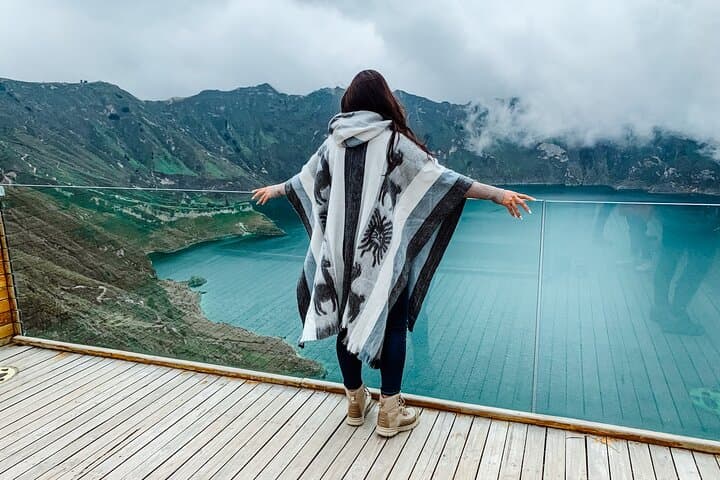
Across three days the route moves from volcanic sands to a crater lake the color of a jewel and finally down into the green rush of Baños. Cotopaxi is an active stratovolcano with snowfield rims and glacial scars; Quilotoa is a collapsed caldera whose turquoise lake fills a crater formed by a massive eruption centuries ago; Baños sits on the edge of the eastern Andes where rivers dare the cliffs and waterfalls cut the canyon.
This tour threads indigenous highland culture — small markets, Tigua painting traditions and farmsteads — with tangible geology: ash layers, volcanic rock, and páramo grasslands. Local guides explain agricultural terraces, coca-tea customs used for acclimatization, and the survival strategies of communities perched at altitude.
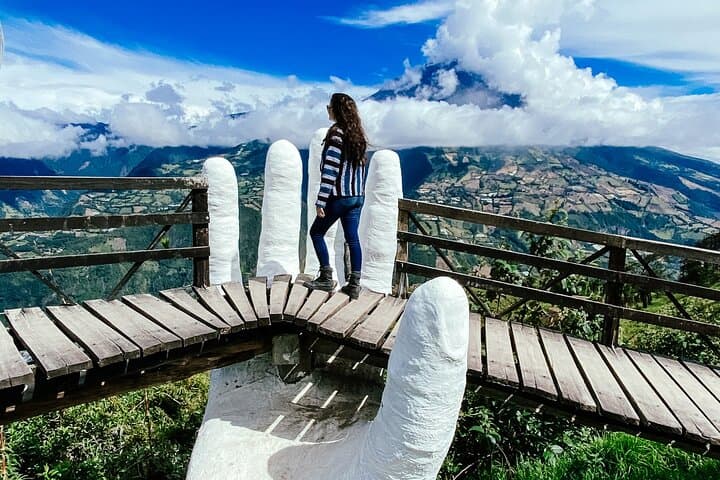
Expect a mix of short hikes (Limpiopungo lagoon and the Quilotoa rim trail), scenic drives on Andean roads, and a waterfall circuit with optional cable car and adrenaline activities in Baños. Practical notes: plan for altitude (4,600 m at Cotopaxi refuge), pack windproof layers and sunscreen, carry cash for small entrance fees and snacks, and allow flexible timing—the itinerary can change with weather.
Hydrate well before and during the trip, wear sturdy boots for loose volcanic scree, and schedule the highest activities early in the day when visibility and weather are typically more stable. The landscapes are direct and uncompromising; move deliberately and the Andes will reward you with clear skies and memorable perspectives.
moderate.
3 days.
Moderate endurance and the ability to hike short steep sections at altitude; prior hiking experience helps.
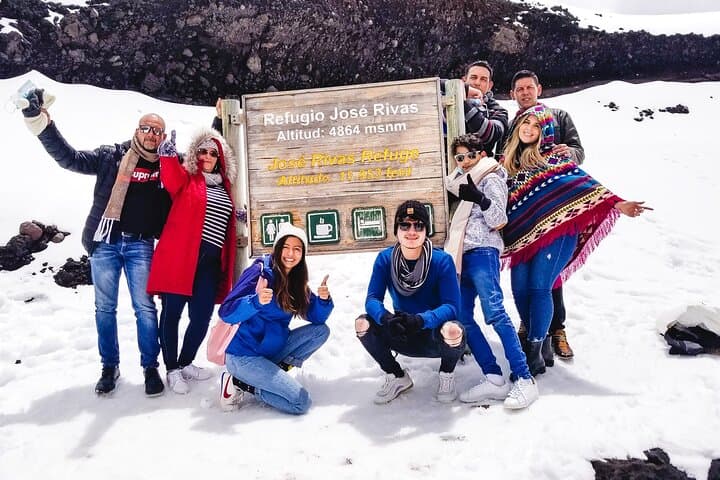
Yes—Cotopaxi’s first refuge sits near 4,684 m. Acclimatization reduces altitude sickness; rest in Quito and drink extra fluids before attempting high-altitude hikes.
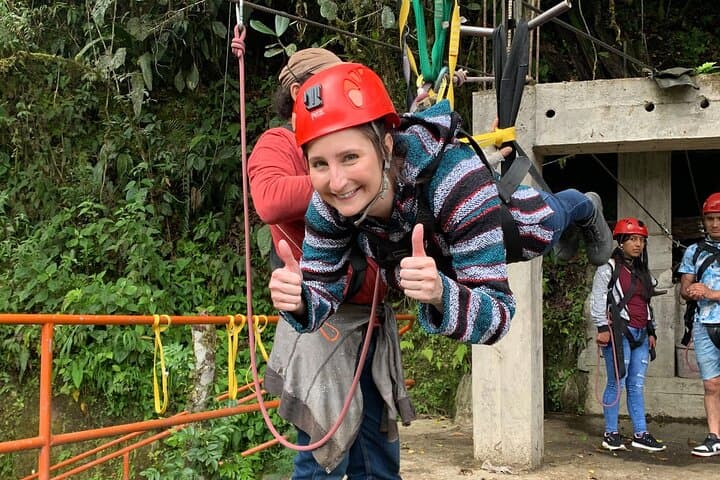
Some entrance fees (Cotopaxi, Quilotoa) are included, but optional activities in Baños like zipline and some local refreshments are not included and require cash or card on site.
Most walks are short but can be steep or on loose ground; basic hiking fitness and sure-footedness are recommended rather than technical skills.
Yes—the tour departs from Quito; your booking collects pickup point details and offers pickup from central locations and many hotels.
Quilotoa is a caldera formed by a violent eruption centuries ago; highland communities maintain agricultural and artisanal traditions that predate the republic era.
The páramo is fragile—stick to trails, avoid disturbing vegetation and support local reserves by paying entrance fees and using local services.
Quito Tour Bus operates guided outdoor trips and adventures with an emphasis on safety, stewardship, and memorable experiences.
You step off the van at dawn with cold air pushing across the high páramo; Cotopaxi’s cone rises, a steady presence that seems to test your lungs as much as your curiosity.
You step off the van at dawn with cold air pushing across the high páramo; Cotopaxi’s cone rises, a steady presence that seems to test your lungs as much as your curiosity.
Across three days the route moves from volcanic sands to a crater lake the color of a jewel and finally down into the green rush of Baños. Cotopaxi is an active stratovolcano with snowfield rims and glacial scars; Quilotoa is a collapsed caldera whose turquoise lake fills a crater formed by a massive eruption centuries ago; Baños sits on the edge of the eastern Andes where rivers dare the cliffs and waterfalls cut the canyon.
This tour threads indigenous highland culture — small markets, Tigua painting traditions and farmsteads — with tangible geology: ash layers, volcanic rock, and páramo grasslands. Local guides explain agricultural terraces, coca-tea customs used for acclimatization, and the survival strategies of communities perched at altitude.
Expect a mix of short hikes (Limpiopungo lagoon and the Quilotoa rim trail), scenic drives on Andean roads, and a waterfall circuit with optional cable car and adrenaline activities in Baños. Practical notes: plan for altitude (4,600 m at Cotopaxi refuge), pack windproof layers and sunscreen, carry cash for small entrance fees and snacks, and allow flexible timing—the itinerary can change with weather.
Hydrate well before and during the trip, wear sturdy boots for loose volcanic scree, and schedule the highest activities early in the day when visibility and weather are typically more stable. The landscapes are direct and uncompromising; move deliberately and the Andes will reward you with clear skies and memorable perspectives.