THE ADVENTURE COLLECTIVE® · Independent discovery and booking for outdoor travel

Spend three days living with an indigenous Andean family outside Huaraz—learning traditional agriculture, architecture, and cooking while hiking to highland lagoons. This hands-on homestay pairs cultural workshops with moderate walks and home-cooked meals.
Spend three days living with an indigenous Andean family outside Huaraz—learning traditional agriculture, architecture, and cooking while hiking to highland lagoons. This hands-on homestay pairs cultural workshops with moderate walks and home-cooked meals.
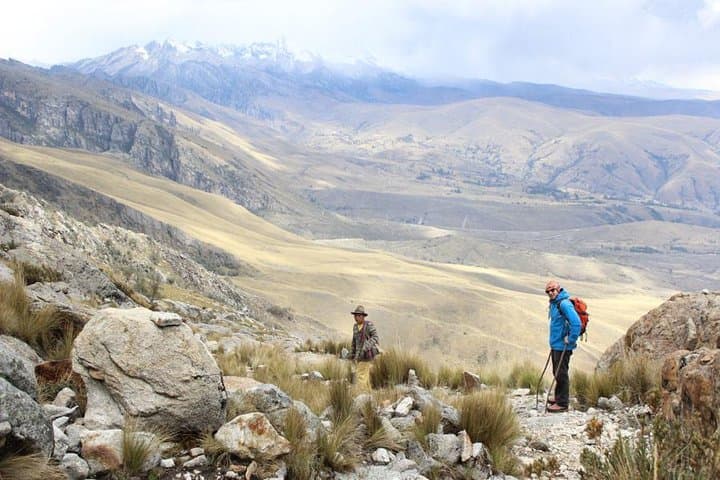
Dawn breaks cold and clear at 3,400–3,800 m; a wood-fired stove breathes warmth into the kitchen and the host family waits with steaming coca tea. Walks from the lodge drift past terraced plots and stone corrals, and the Cordillera Blanca rises like a wall of ice to the east—this is not a resort but a working mountain community where daily life sets the rhythm of the visit.
Verified experiences and guided adventures in the surrounding area.
Operated by Alternative Peru · Huaraz, Ancash
Dawn breaks cold and clear at 3,400–3,800 m; a wood-fired stove breathes warmth into the kitchen and the host family waits with steaming coca tea. Walks from the lodge drift past terraced plots and stone corrals, and the Cordillera Blanca rises like a wall of ice to the east—this is not a resort but a working mountain community where daily life sets the rhythm of the visit.
The region around Huaraz carries layers of human history: pre-Inca terraces and Inca-era pathways that shaped agriculture, and Spanish colonial influences that altered trade and faith. Geologically, the high valleys are carved from uplifted granites and glacial cirques; glacial melt feeds highland lagoons and sustains quinoa, potato, and maize plots tended in traditional ways. Expect Quechua language, hummed melodies, and communal workshops on mud-stone architecture, weaving, or farming techniques that are both cultural practice and practical response to altitude and climate.
Practically, this is a low-impact cultural stay with moderate walking. Acclimatize in Huaraz a day or two, drink extra water, and keep a light pace during initial hikes. Nights can drop sharply in temperature—layering and a warm sleeping bag help. Meals are home-cooked, seasonal, and often plant-forward; communicate dietary needs ahead of time. Bring local currency for small purchases and consider a modest gift for hosts—photographs and respectful curiosity go farther than valuables.
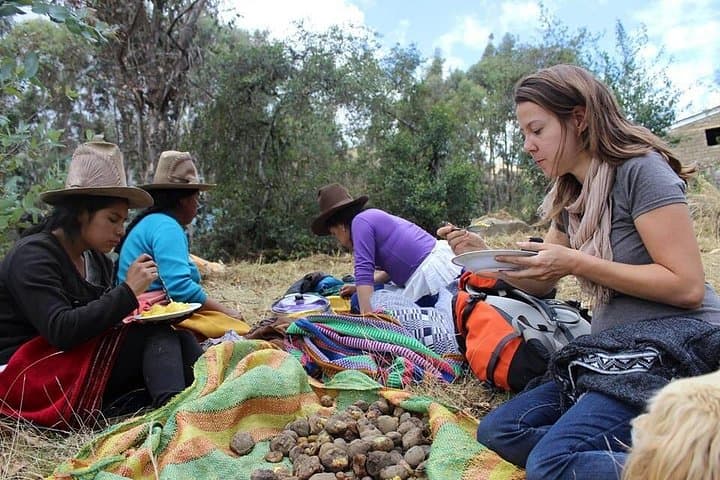
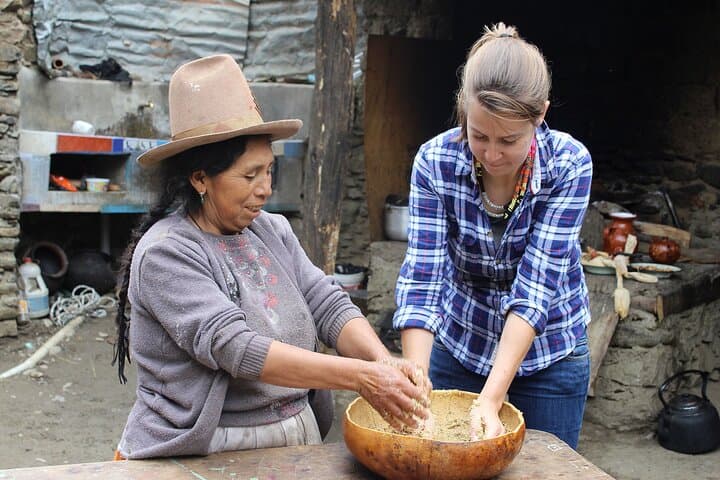
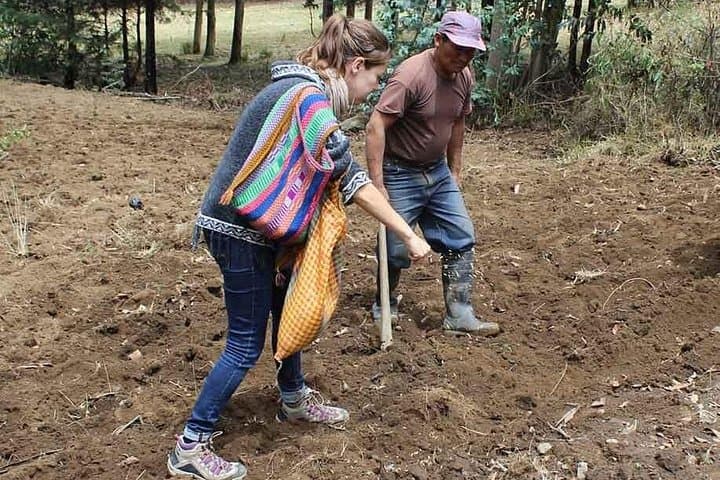
Over three days you’ll learn to cook, plant, or build alongside hosts, take a guided hike to a nearby lagoon, and finish back in Huaraz with a clearer sense of high-Andean life and landscape.
moderate.
3 days.
Suitable for travelers in average fitness—able to walk 2–6 hours at high altitude with rest breaks.
No technical experience is required—walks are moderate, but expect uneven terrain and altitude; inform guides of any mobility issues.
You’ll stay in private rooms at a family lodge with shared bathrooms; facilities generally include hot showers and basic comforts.
Hosts commonly speak Quechua and Spanish; local guides may know basic English—bring patience and a phrasebook for deeper connections.
Acclimatize slowly, hydrate, avoid heavy exertion on day one, and consult a physician about medications like acetazolamide; carry symptomatic meds if you’re prone to altitude illness.
Local communities maintain Quechua cultural practices and agricultural terraces that date back to pre-Inca and Inca periods, reflecting centuries of highland adaptation.
Community tourism provides direct income that supports conservation of terraces and native crops; visitors should minimize waste, avoid single-use plastics, and stay on established paths to protect fragile puna ecosystems.
Alternative Peru operates guided outdoor trips and adventures with an emphasis on safety, stewardship, and memorable experiences.
Dawn breaks cold and clear at 3,400–3,800 m; a wood-fired stove breathes warmth into the kitchen and the host family waits with steaming coca tea. Walks from the lodge drift past terraced plots and stone corrals, and the Cordillera Blanca rises like a wall of ice to the east—this is not a resort but a working mountain community where daily life sets the rhythm of the visit.
Dawn breaks cold and clear at 3,400–3,800 m; a wood-fired stove breathes warmth into the kitchen and the host family waits with steaming coca tea. Walks from the lodge drift past terraced plots and stone corrals, and the Cordillera Blanca rises like a wall of ice to the east—this is not a resort but a working mountain community where daily life sets the rhythm of the visit.
The region around Huaraz carries layers of human history: pre-Inca terraces and Inca-era pathways that shaped agriculture, and Spanish colonial influences that altered trade and faith. Geologically, the high valleys are carved from uplifted granites and glacial cirques; glacial melt feeds highland lagoons and sustains quinoa, potato, and maize plots tended in traditional ways. Expect Quechua language, hummed melodies, and communal workshops on mud-stone architecture, weaving, or farming techniques that are both cultural practice and practical response to altitude and climate.
Practically, this is a low-impact cultural stay with moderate walking. Acclimatize in Huaraz a day or two, drink extra water, and keep a light pace during initial hikes. Nights can drop sharply in temperature—layering and a warm sleeping bag help. Meals are home-cooked, seasonal, and often plant-forward; communicate dietary needs ahead of time. Bring local currency for small purchases and consider a modest gift for hosts—photographs and respectful curiosity go farther than valuables.
Over three days you’ll learn to cook, plant, or build alongside hosts, take a guided hike to a nearby lagoon, and finish back in Huaraz with a clearer sense of high-Andean life and landscape.