THE ADVENTURE COLLECTIVE® · Independent discovery and booking for outdoor travel

A compact three-day safari into Amboseli offers intimate elephant encounters beneath the looming bulk of Kilimanjaro. Expect early and late game drives, lodge-based comfort, and practical logistics for travelers wanting a classic East African wildlife experience.
A compact three-day safari into Amboseli offers intimate elephant encounters beneath the looming bulk of Kilimanjaro. Expect early and late game drives, lodge-based comfort, and practical logistics for travelers wanting a classic East African wildlife experience.
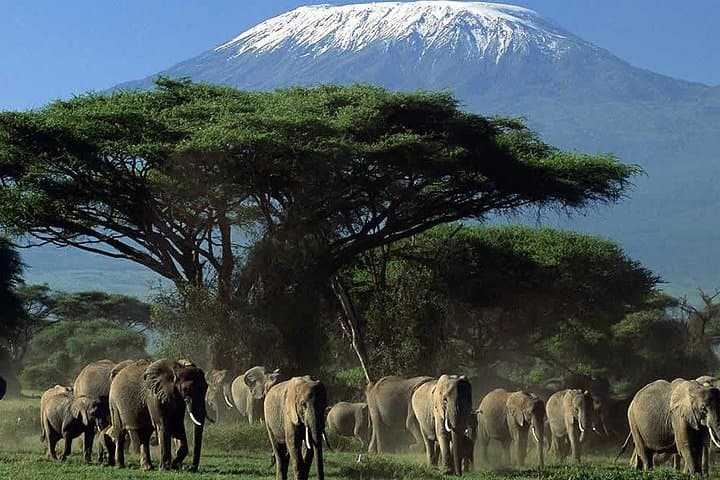
Morning light slices across vast, low plains and Mt. Kilimanjaro fills the skyline — this is Amboseli on day one. Vehicles grind along red-dust tracks, and the air smells of dry grass and diesel as a guide maneuvers toward elephant herds that cross the salt-encrusted swamp. Early drives feel deliberate and patient; the park’s rhythms dictate the day.
Verified experiences and guided adventures in the surrounding area.
Operated by Heels and Valise Tours · Amboseli, Kajiado County
Morning light slices across vast, low plains and Mt. Kilimanjaro fills the skyline — this is Amboseli on day one. Vehicles grind along red-dust tracks, and the air smells of dry grass and diesel as a guide maneuvers toward elephant herds that cross the salt-encrusted swamp. Early drives feel deliberate and patient; the park’s rhythms dictate the day.
Amboseli’s landscape is shaped by volcanic soils and seasonal marshes fed by underground springs, with sediments laid down from ancient glacial outwash from Kilimanjaro’s slopes. The Maasai have moved through these plains for generations; their sheep and cattle graze the park margins while local lodges like Ol Tukai sit nearby, offering classic safari hospitality. Amboseli’s history as one of Kenya’s earliest protected areas means the park is equal parts wildlife refuge and political story — land use and water rights remain central to how the park is managed today.
Practically, expect long but comfortable drives from Nairobi (roughly 4–5 hours) and a rhythm of early-morning and late-afternoon game drives to avoid midday heat. Vehicle-based viewing, binoculars, and a telephoto lens are the essential tools for close-up wildlife photography; keep clothing neutral and bring sun protection and a light jacket for chilly mornings. Lodges provide meals and bottled water; inform operators about mobility or medical needs when booking.
This three-day loop delivers consistent elephant viewing, sweeping vistas of Kilimanjaro on clear days, and a concise introduction to East African savanna ecology — an accessible safari designed for focused wildlife encounters and straightforward logistics.
easy.
3 days.
Suitable for travelers with average fitness — mostly vehicle-based with short walks; able to tolerate uneven roads and early wake-ups.
Driving distance is roughly 240–270 km, typically 4–5 hours depending on traffic and road conditions; many itineraries include hotel pickup in Nairobi.
On clear days you’ll get dramatic views of Kilimanjaro’s snow-capped profile from Amboseli; visibility depends on weather and cloud cover.
This itinerary lists meals and fees as included; confirm when booking what park entry fees, bottled water, and transfers are covered.
The tour is vehicle-based and classed as suitable for most fitness levels, but the operator notes it’s not recommended for travelers with spinal or serious heart issues—check specifics before booking.
Amboseli was formally protected in the 1960s to safeguard the migratory routes and wetland springs that sustain elephants and other wildlife; conservation has long involved negotiation with Maasai communities.
Water management and human–wildlife conflict are ongoing concerns; staying on designated roads, following guide instructions, and supporting community-based tourism helps reduce impacts.
Heels and Valise Tours operates guided outdoor trips and adventures with an emphasis on safety, stewardship, and memorable experiences.
Morning light slices across vast, low plains and Mt. Kilimanjaro fills the skyline — this is Amboseli on day one. Vehicles grind along red-dust tracks, and the air smells of dry grass and diesel as a guide maneuvers toward elephant herds that cross the salt-encrusted swamp. Early drives feel deliberate and patient; the park’s rhythms dictate the day.
Morning light slices across vast, low plains and Mt. Kilimanjaro fills the skyline — this is Amboseli on day one. Vehicles grind along red-dust tracks, and the air smells of dry grass and diesel as a guide maneuvers toward elephant herds that cross the salt-encrusted swamp. Early drives feel deliberate and patient; the park’s rhythms dictate the day.
Amboseli’s landscape is shaped by volcanic soils and seasonal marshes fed by underground springs, with sediments laid down from ancient glacial outwash from Kilimanjaro’s slopes. The Maasai have moved through these plains for generations; their sheep and cattle graze the park margins while local lodges like Ol Tukai sit nearby, offering classic safari hospitality. Amboseli’s history as one of Kenya’s earliest protected areas means the park is equal parts wildlife refuge and political story — land use and water rights remain central to how the park is managed today.
Practically, expect long but comfortable drives from Nairobi (roughly 4–5 hours) and a rhythm of early-morning and late-afternoon game drives to avoid midday heat. Vehicle-based viewing, binoculars, and a telephoto lens are the essential tools for close-up wildlife photography; keep clothing neutral and bring sun protection and a light jacket for chilly mornings. Lodges provide meals and bottled water; inform operators about mobility or medical needs when booking.
This three-day loop delivers consistent elephant viewing, sweeping vistas of Kilimanjaro on clear days, and a concise introduction to East African savanna ecology — an accessible safari designed for focused wildlife encounters and straightforward logistics.