THE ADVENTURE COLLECTIVE® · Independent discovery and booking for outdoor travel

A compact three-day safari that puts Kilimanjaro and Amboseli’s big-game plains within reach of Nairobi. Expect early-morning light, elephant herds, and Maasai cultural touches with comfortable lodge options.
A compact three-day safari that puts Kilimanjaro and Amboseli’s big-game plains within reach of Nairobi. Expect early-morning light, elephant herds, and Maasai cultural touches with comfortable lodge options.
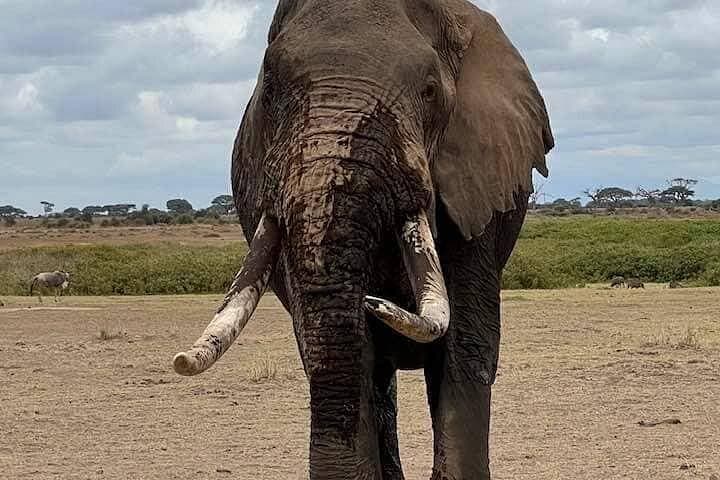
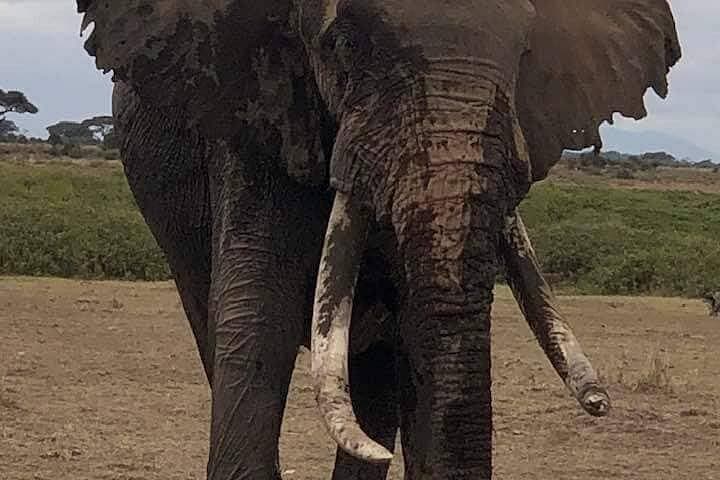
Dawn washes the salt flats in cold light as a 4x4 eases onto the first track into Amboseli. Dust lifts under the vehicle and, beyond a low rim of thorn scrub, Mount Kilimanjaro pins the horizon—its white cap daring you to look longer. Game drives here move with the sun: mornings for predators stirring, afternoons for elephants cooling in marshes, and golden hours that set acacia silhouettes on fire.
Verified experiences and guided adventures in the surrounding area.
Operated by KT & Safaris · Amboseli, Kajiado County
Dawn washes the salt flats in cold light as a 4x4 eases onto the first track into Amboseli. Dust lifts under the vehicle and, beyond a low rim of thorn scrub, Mount Kilimanjaro pins the horizon—its white cap daring you to look longer. Game drives here move with the sun: mornings for predators stirring, afternoons for elephants cooling in marshes, and golden hours that set acacia silhouettes on fire.
Amboseli National Park, established in the 1970s, sits near the Kenya–Tanzania border and occupies roughly 392 km² of savanna, marsh and seasonal wetlands. Geologically the basin is fed by runoff from Kilimanjaro’s slopes and volcanic soils underlie broad plains; the changing water table creates the park’s mosaic of mud, grassland and papyrus. The Maasai are the human landscape—many communities live around the park and guide tourism with long-established pastoral traditions.
Expect open plains punctuated by observation points and a web of service tracks rather than single hiking trails. Wildlife viewing is the draw: large elephant herds, resident lions, buffalo and prolific birdlife. Photography hinges on light and patient tracking; Kilimanjaro is often shrouded in afternoon cloud, so early starts are rewarded.
Practical guidance: drive time from Nairobi is roughly 4–5 hours on sealed then graded roads; pack sun protection, binoculars and a camera with a tele lens. Book morning and late-afternoon game drives, keep water handy, and respect Maasai lands—ask before entering community areas. Tipping drivers and guides is customary; park entry and optional lodge fees are handled by operators, so confirm inclusions before you go.
easy.
3 days.
Suitable for most travelers; requires tolerance for 4–5 hour road transfers and multiple hours in a vehicle each day
Expect about 4–5 hours by road from central Nairobi depending on traffic and your pickup point; some operators offer early departures to maximize game time.
Kilimanjaro is visible most mornings in clear weather, but afternoon cloud frequently obscures the peak—early drives improve your chances.
Many lodges and operators provide child-friendly services and some vehicles are adapted for easier access; confirm accessibility and child policies when booking.
Elephants, plains game (zebra, wildebeest, gazelles), buffalo and a healthy bird list are reliable; lions and hyena are often spotted but sightings aren’t guaranteed.
Amboseli became a national park in the 1970s and has long been intertwined with Maasai pastoral land uses; it’s prized for its views of Kilimanjaro and large elephant populations.
Tourism revenues support local conservancies and anti-poaching efforts; visitors should minimize off-track driving and avoid feeding wildlife to reduce human-wildlife conflict.
KT & Safaris operates guided outdoor trips and adventures with an emphasis on safety, stewardship, and memorable experiences.
Dawn washes the salt flats in cold light as a 4x4 eases onto the first track into Amboseli. Dust lifts under the vehicle and, beyond a low rim of thorn scrub, Mount Kilimanjaro pins the horizon—its white cap daring you to look longer. Game drives here move with the sun: mornings for predators stirring, afternoons for elephants cooling in marshes, and golden hours that set acacia silhouettes on fire.
Dawn washes the salt flats in cold light as a 4x4 eases onto the first track into Amboseli. Dust lifts under the vehicle and, beyond a low rim of thorn scrub, Mount Kilimanjaro pins the horizon—its white cap daring you to look longer. Game drives here move with the sun: mornings for predators stirring, afternoons for elephants cooling in marshes, and golden hours that set acacia silhouettes on fire.
Amboseli National Park, established in the 1970s, sits near the Kenya–Tanzania border and occupies roughly 392 km² of savanna, marsh and seasonal wetlands. Geologically the basin is fed by runoff from Kilimanjaro’s slopes and volcanic soils underlie broad plains; the changing water table creates the park’s mosaic of mud, grassland and papyrus. The Maasai are the human landscape—many communities live around the park and guide tourism with long-established pastoral traditions.
Expect open plains punctuated by observation points and a web of service tracks rather than single hiking trails. Wildlife viewing is the draw: large elephant herds, resident lions, buffalo and prolific birdlife. Photography hinges on light and patient tracking; Kilimanjaro is often shrouded in afternoon cloud, so early starts are rewarded.
Practical guidance: drive time from Nairobi is roughly 4–5 hours on sealed then graded roads; pack sun protection, binoculars and a camera with a tele lens. Book morning and late-afternoon game drives, keep water handy, and respect Maasai lands—ask before entering community areas. Tipping drivers and guides is customary; park entry and optional lodge fees are handled by operators, so confirm inclusions before you go.