THE ADVENTURE COLLECTIVE® · Independent discovery and booking for outdoor travel

A three-day, vehicle-based safari from Nairobi into Amboseli pairs close wildlife encounters—especially elephants—with sweeping views of Mount Kilimanjaro. Expect early starts, patient game drives, and optional Maasai village visits for cultural context.
A three-day, vehicle-based safari from Nairobi into Amboseli pairs close wildlife encounters—especially elephants—with sweeping views of Mount Kilimanjaro. Expect early starts, patient game drives, and optional Maasai village visits for cultural context.
Dawn breaks cold and clear over the wide Amboseli plains, and the first light catches on the ridged flank of Kilimanjaro—an immovable presence that watches the park like an old guardian. In a weathered 4x4, passengers settle into a rhythm: binoculars to eyes, whispering cameras shut, guides reading tracks and dust as if they were pages.
Verified experiences and guided adventures in the surrounding area.
Operated by Africa Flash McTours and Travel · Amboseli, Kajiado County
Dawn breaks cold and clear over the wide Amboseli plains, and the first light catches on the ridged flank of Kilimanjaro—an immovable presence that watches the park like an old guardian. In a weathered 4x4, passengers settle into a rhythm: binoculars to eyes, whispering cameras shut, guides reading tracks and dust as if they were pages.
Amboseli sits on ancient volcanic aquifers fed by Kilimanjaro’s snows; channels of filtered water create the swamps and salt pans that draw large mammals. Historically the region is Maasai land—pastoralists whose grazing patterns shaped the park’s open habitats—and local culture remains visible at the edges of the reserve. Geologically, the flat plains were laid down by lava and alluvium, providing the shallow soils that favor grasses and the big herds that feed on them.
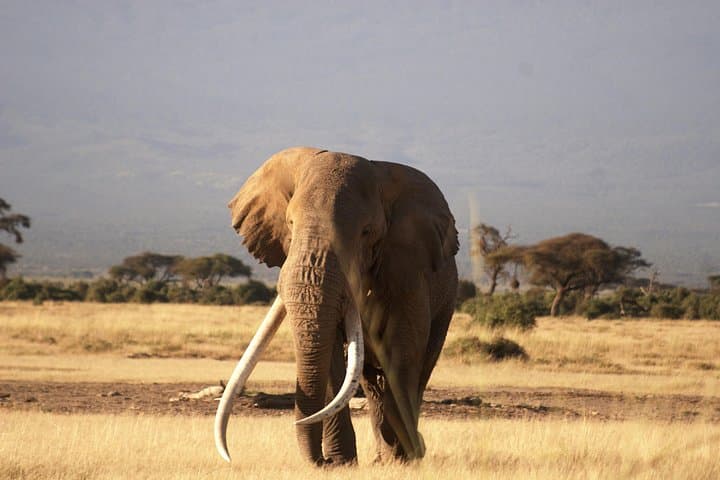
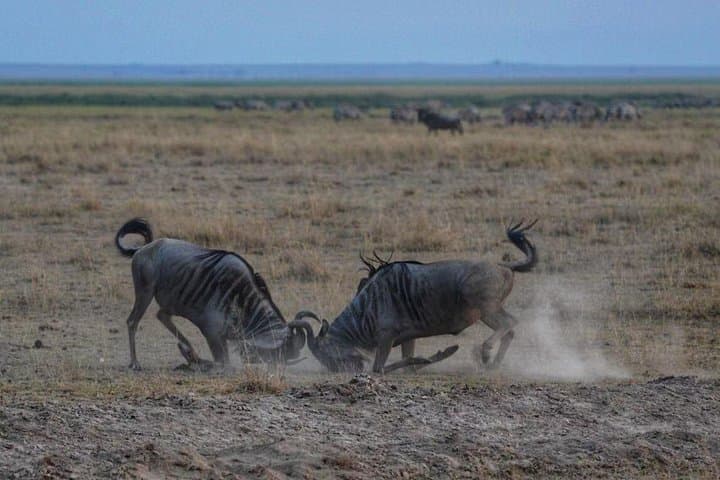
Over three days, expect repeated game drives with long, patient sightings: elephant families moving like slow weather systems, towered giraffes nibbling young acacia, lions resting in shade, and crepuscular predators slipping between termite mounds. Optional visits to a Maasai village add cultural context—traditional song, dance, and a look at semi-nomadic life for a small fee.
Practically, this is vehicle-based travel with short walks; accommodations are simple safari camp style. Plan for early-morning starts, variable dust, and strong sun when Kilimanjaro is in view. Hydration, layered clothing for chilly mornings, and a good camera or binoculars will make the experience smoother. Guides handle logistics and park fees; visitors should bring modest cash for village visits and tips.
easy.
3 days.
Suitable for most fitness levels; involves long vehicle drives and short, low-effort walks.
Guides maintain safe distances and follow park rules; vehicles allow close, stable observation but no direct approach on foot unless a guide specifies a safe, short walk.
No—it's optional and usually costs about US$20; it provides cultural context but can be declined without affecting the safari schedule.
This itinerary includes all game park entrance fees as part of the package; confirm at booking if anything has changed.
Carry any necessary prescriptions, use insect repellent, ensure routine vaccinations are current, and consider travel insurance with medical evacuation coverage.
Amboseli lies on land historically used by Maasai pastoralists; the reserve was established to protect key water-fed plains and big-game migration routes.
Water flow from Kilimanjaro sustains Amboseli’s wetlands; conservation focuses on community-based grazing plans and reducing human-wildlife conflict to protect both livelihoods and wildlife.
Africa Flash McTours and Travel operates guided outdoor trips and adventures with an emphasis on safety, stewardship, and memorable experiences.
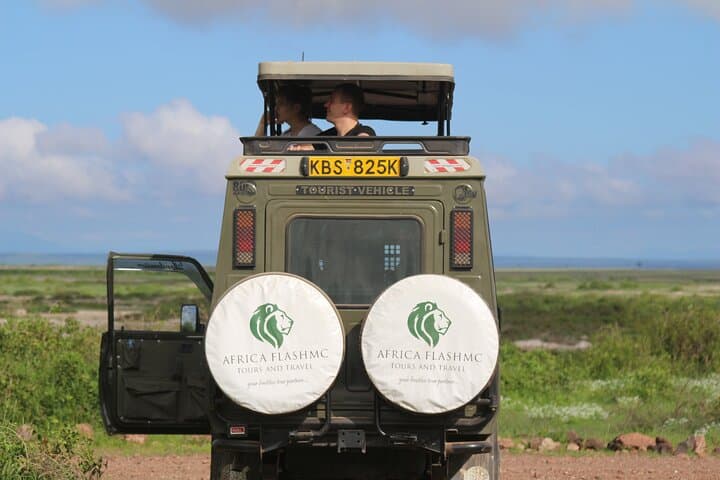
Dawn breaks cold and clear over the wide Amboseli plains, and the first light catches on the ridged flank of Kilimanjaro—an immovable presence that watches the park like an old guardian. In a weathered 4x4, passengers settle into a rhythm: binoculars to eyes, whispering cameras shut, guides reading tracks and dust as if they were pages.
Dawn breaks cold and clear over the wide Amboseli plains, and the first light catches on the ridged flank of Kilimanjaro—an immovable presence that watches the park like an old guardian. In a weathered 4x4, passengers settle into a rhythm: binoculars to eyes, whispering cameras shut, guides reading tracks and dust as if they were pages.
Amboseli sits on ancient volcanic aquifers fed by Kilimanjaro’s snows; channels of filtered water create the swamps and salt pans that draw large mammals. Historically the region is Maasai land—pastoralists whose grazing patterns shaped the park’s open habitats—and local culture remains visible at the edges of the reserve. Geologically, the flat plains were laid down by lava and alluvium, providing the shallow soils that favor grasses and the big herds that feed on them.
Over three days, expect repeated game drives with long, patient sightings: elephant families moving like slow weather systems, towered giraffes nibbling young acacia, lions resting in shade, and crepuscular predators slipping between termite mounds. Optional visits to a Maasai village add cultural context—traditional song, dance, and a look at semi-nomadic life for a small fee.
Practically, this is vehicle-based travel with short walks; accommodations are simple safari camp style. Plan for early-morning starts, variable dust, and strong sun when Kilimanjaro is in view. Hydration, layered clothing for chilly mornings, and a good camera or binoculars will make the experience smoother. Guides handle logistics and park fees; visitors should bring modest cash for village visits and tips.