THE ADVENTURE COLLECTIVE® · Independent discovery and booking for outdoor travel

Learn essential jungle survival skills over three days in the Peruvian Amazon. This hands-on program from Iquitos combines traditional techniques with guided safety in a remote riverine landscape.
Learn essential jungle survival skills over three days in the Peruvian Amazon. This hands-on program from Iquitos combines traditional techniques with guided safety in a remote riverine landscape.
You step off the motorboat and the river exhales: humid, green, alive. The jungle presses close — a maze of buttressed trunks, lianas swaying like slow ropes, and the distant bark of a howler cutting the midday heat. Over the next 72 hours you are taught to read that living, noisy world for shelter, water and food rather than as a backdrop to a photographic moment.
Verified experiences and guided adventures in the surrounding area.
Operated by Amazon Explorer S.R.L · Iquitos, Loreto
You step off the motorboat and the river exhales: humid, green, alive. The jungle presses close — a maze of buttressed trunks, lianas swaying like slow ropes, and the distant bark of a howler cutting the midday heat. Over the next 72 hours you are taught to read that living, noisy world for shelter, water and food rather than as a backdrop to a photographic moment.
The program begins with a sunrise transfer from Iquitos to Nauta and a motorboat ride deeper into the Amazon basin. This region is shaped by seasonal flood pulses from the Amazon and Marañón rivers, with soils and channels carved over millennia; local Indigenous groups — and the legacy of the 19th-century rubber boom — inform the plants and uses you’ll learn about. Native guides emphasize plant identification, traditional fishing and rivercraft alongside modern safety practices.
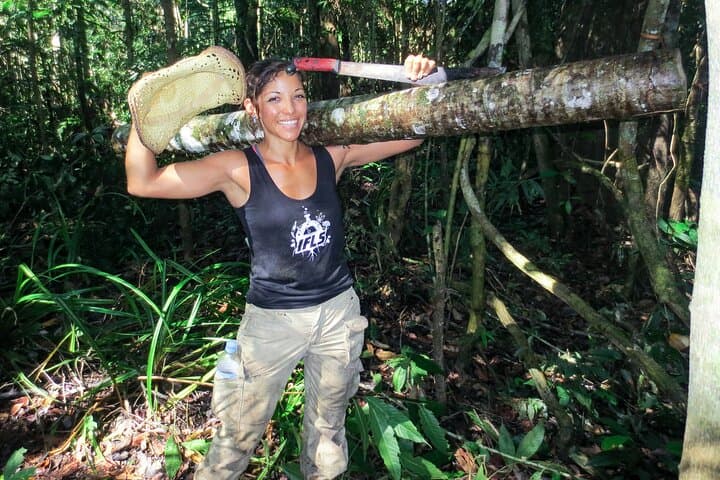
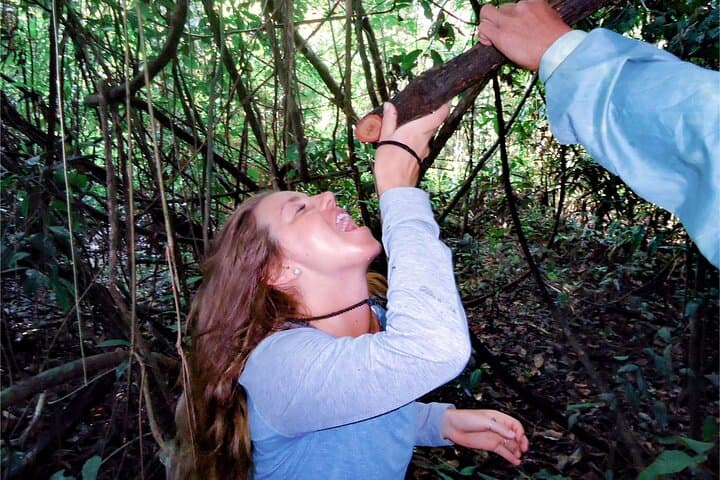
Practically, expect wet, uneven terrain, high humidity and long stretches of manual work: clearing brush, building shelters from palm fronds, starting fires without modern tools and improvising fish traps. Meals are often what you harvest; the operator provides mosquito nets and a certificate at completion. The program is physically demanding and deliberately immersive — plan to arrive in Iquitos a day early, carry robust insect protection and be ready to follow guide instructions closely.
This is training, not a luxury retreat: it teaches respect for jungle rhythms and practical survival techniques you can use in remote tropical environments.
challenging.
3 days (approx. 72 hours).
Moderate to high: participants should be comfortable with full days of hiking, chopping, and river travel; good cardiovascular health helps.
No — the course is designed for beginners and intermediate participants; instructors teach fundamental techniques and supervise all activities.
You will eat what is gathered or caught during the program; organizers note the program is not suitable for strict vegetarians or people with dietary restrictions.
Accommodation is primitive: overnight stays in the jungle using improvised shelters; mosquito nets are provided but expect no modern facilities.
This program is not recommended for pregnant travelers or people with serious heart or back conditions; participants should have moderate fitness and be able to walk on uneven terrain.
The Iquitos–Nauta corridor has long been a hub of Indigenous cultures and was transformed by the 19th-century rubber trade, which reshaped settlements and river routes.
Operators emphasize low-impact practices and support local villages; participants should follow leave-no-trace principles and avoid removing plants or wildlife.
Amazon Explorer S.R.L operates guided outdoor trips and adventures with an emphasis on safety, stewardship, and memorable experiences.

You step off the motorboat and the river exhales: humid, green, alive. The jungle presses close — a maze of buttressed trunks, lianas swaying like slow ropes, and the distant bark of a howler cutting the midday heat. Over the next 72 hours you are taught to read that living, noisy world for shelter, water and food rather than as a backdrop to a photographic moment.
You step off the motorboat and the river exhales: humid, green, alive. The jungle presses close — a maze of buttressed trunks, lianas swaying like slow ropes, and the distant bark of a howler cutting the midday heat. Over the next 72 hours you are taught to read that living, noisy world for shelter, water and food rather than as a backdrop to a photographic moment.
The program begins with a sunrise transfer from Iquitos to Nauta and a motorboat ride deeper into the Amazon basin. This region is shaped by seasonal flood pulses from the Amazon and Marañón rivers, with soils and channels carved over millennia; local Indigenous groups — and the legacy of the 19th-century rubber boom — inform the plants and uses you’ll learn about. Native guides emphasize plant identification, traditional fishing and rivercraft alongside modern safety practices.
Practically, expect wet, uneven terrain, high humidity and long stretches of manual work: clearing brush, building shelters from palm fronds, starting fires without modern tools and improvising fish traps. Meals are often what you harvest; the operator provides mosquito nets and a certificate at completion. The program is physically demanding and deliberately immersive — plan to arrive in Iquitos a day early, carry robust insect protection and be ready to follow guide instructions closely.
This is training, not a luxury retreat: it teaches respect for jungle rhythms and practical survival techniques you can use in remote tropical environments.