THE ADVENTURE COLLECTIVE® · Independent discovery and booking for outdoor travel

A compact, three-day expedition from Iquitos into the Yarapa and Cumaceba waterways, this trip combines river travel, night hikes and lodge stays to showcase Amazon wildlife and community forest life. Expect close wildlife encounters, boat transfers and immersive local knowledge.
A compact, three-day expedition from Iquitos into the Yarapa and Cumaceba waterways, this trip combines river travel, night hikes and lodge stays to showcase Amazon wildlife and community forest life. Expect close wildlife encounters, boat transfers and immersive local knowledge.
You step off a boat and the river seems to inhale — water sliding past mangled roots, a chorus of birds marking the change of day. The Yarapa and Cumaceba rivers push you deeper into green that moves: palms shifting in sudden winds, capybaras easing into mud, macaws carving bright arcs above.
Verified experiences and guided adventures in the surrounding area.
Operated by jimmy jaguar travel · Iquitos, Loreto
You step off a boat and the river seems to inhale — water sliding past mangled roots, a chorus of birds marking the change of day. The Yarapa and Cumaceba rivers push you deeper into green that moves: palms shifting in sudden winds, capybaras easing into mud, macaws carving bright arcs above.
This three-day itinerary follows the meeting of the Marañón and Ucayali—where explorers long ago declared the Amazon born—then threads into community forests along Yarapa. Geologically the region is young alluvial plain: wide meanders, oxbow lakes and nutrient-rich soil that fuels dense biodiversity. Culturally, riverine communities mix indigenous practices with Amazonian mestizo life; local guides share medicinal plant uses and fish-based cuisine that reflect generations on the water.
Expect early starts, slow boat transit, short jungle walks and night excursions for caimans, tarantulas and nocturnal frogs. Wildlife sightings (dolphins, howler and squirrel monkeys, toucans) are common but never guaranteed; the forest decides when it reveals itself.
Practical guidance: pack quick-dry clothing, a reliable headlamp, strong insect repellent and waterproof bags for electronics. Stay hydrated and respect quiet windows during dawn and dusk—those are the forest’s busiest hours. Boat transfers can be bumpy; secure gear and expect wet boots. The trip is suitable for travelers in average health who can manage uneven trails and stairs at lodges. For many, three days here is an efficient, immersive primer on Amazon ecology and river culture—intense, damp, and unforgettable.
moderate.
3 days.
Suitable for travelers with average fitness who can handle 2–4 hours of mixed walking and boat transfer activity per day.
Yes — the itinerary lists breakfast, lunch and dinner included and overnight stays at a jungle lodge are provided.
Recommended vaccinations often include routine immunizations and yellow fever; consult your doctor well before travel for current advice.
The tour is marketed as physically easy and private, but not recommended for pregnant travelers or people with serious spinal or heart conditions; check with the operator about specific age limits.
Cell signal is intermittent or absent in the forest; the lodge may offer limited Wi‑Fi but expect offline conditions during most excursions.
The region around Iquitos grew as a rubber boom hub in the late 19th–early 20th centuries, which shaped river trade routes and local settlements.
Riverine communities and lodges increasingly participate in sustainable tourism and patrols to protect wildlife; travelers should avoid single-use plastics and respect no‑take fishing rules.
jimmy jaguar travel operates guided outdoor trips and adventures with an emphasis on safety, stewardship, and memorable experiences.


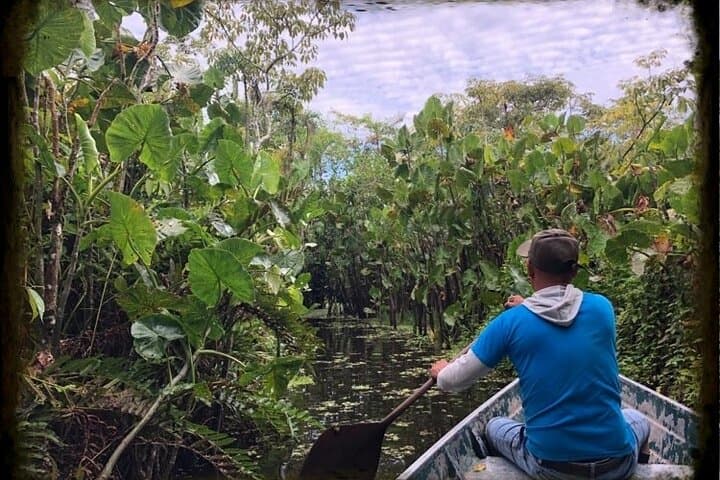

You step off a boat and the river seems to inhale — water sliding past mangled roots, a chorus of birds marking the change of day. The Yarapa and Cumaceba rivers push you deeper into green that moves: palms shifting in sudden winds, capybaras easing into mud, macaws carving bright arcs above.
You step off a boat and the river seems to inhale — water sliding past mangled roots, a chorus of birds marking the change of day. The Yarapa and Cumaceba rivers push you deeper into green that moves: palms shifting in sudden winds, capybaras easing into mud, macaws carving bright arcs above.
This three-day itinerary follows the meeting of the Marañón and Ucayali—where explorers long ago declared the Amazon born—then threads into community forests along Yarapa. Geologically the region is young alluvial plain: wide meanders, oxbow lakes and nutrient-rich soil that fuels dense biodiversity. Culturally, riverine communities mix indigenous practices with Amazonian mestizo life; local guides share medicinal plant uses and fish-based cuisine that reflect generations on the water.
Expect early starts, slow boat transit, short jungle walks and night excursions for caimans, tarantulas and nocturnal frogs. Wildlife sightings (dolphins, howler and squirrel monkeys, toucans) are common but never guaranteed; the forest decides when it reveals itself.
Practical guidance: pack quick-dry clothing, a reliable headlamp, strong insect repellent and waterproof bags for electronics. Stay hydrated and respect quiet windows during dawn and dusk—those are the forest’s busiest hours. Boat transfers can be bumpy; secure gear and expect wet boots. The trip is suitable for travelers in average health who can manage uneven trails and stairs at lodges. For many, three days here is an efficient, immersive primer on Amazon ecology and river culture—intense, damp, and unforgettable.