THE ADVENTURE COLLECTIVE® · Independent discovery and booking for outdoor travel

Boat upriver to Refugio Amazonas for a three-day immersion in the Tambopata lowland: nocturnal caiman searches, an oxbow lake paddle, a 25m canopy-tower climb, and hands-on ethnobotany at a local farm. Practical logistics, wildlife viewing, and conservation context make this a focused Amazon experience.
Boat upriver to Refugio Amazonas for a three-day immersion in the Tambopata lowland: nocturnal caiman searches, an oxbow lake paddle, a 25m canopy-tower climb, and hands-on ethnobotany at a local farm. Practical logistics, wildlife viewing, and conservation context make this a focused Amazon experience.
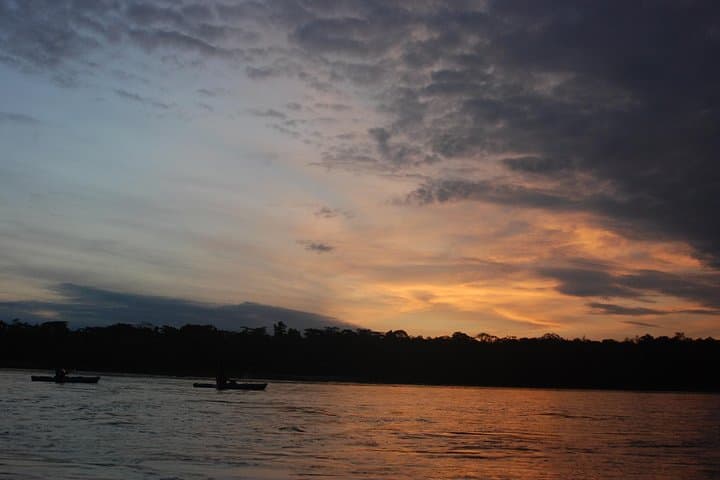
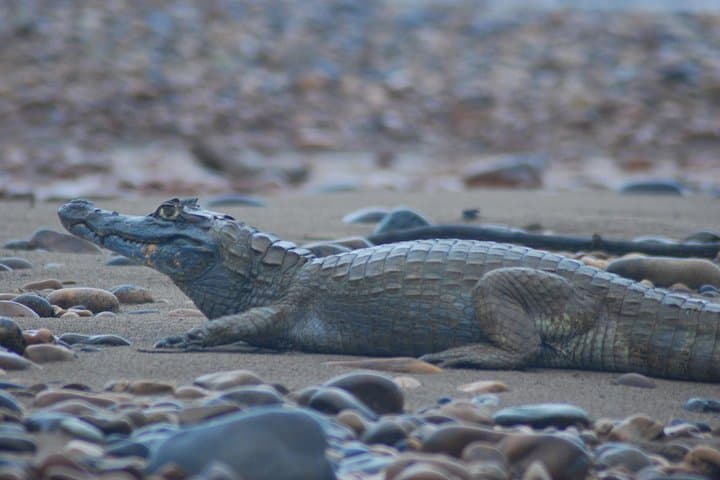
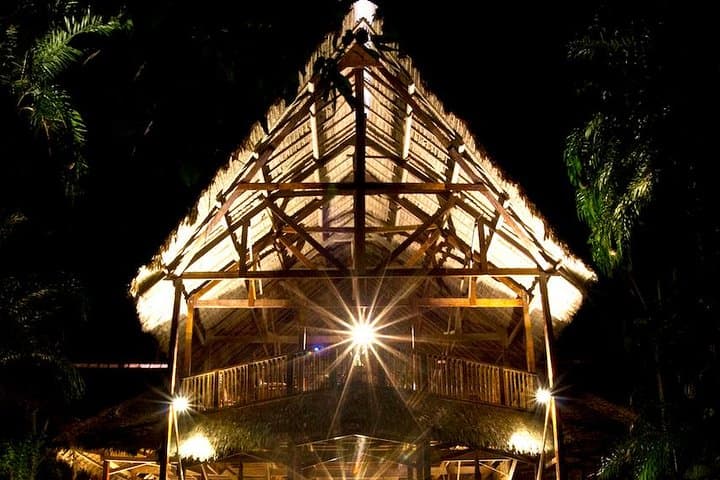
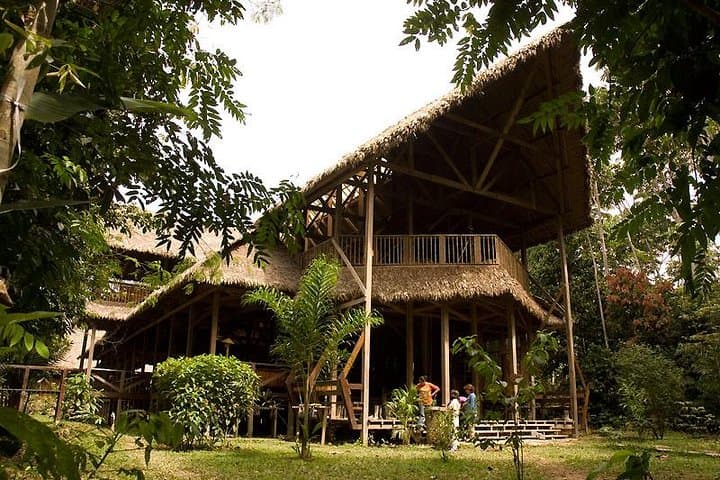
The boat parts the early mist on the Tambopata and the river pushes you upriver for two and a half hours, trees flanking the channel until a wooden dock and the low-slung buildings of Refugio Amazonas appear. Night lamps puncture the dark and, after a briefing, headlamps sweep the water in a hunt for caimans—eyeshine and brief ripples marking the edge of the nocturnal jungle.
Verified experiences and guided adventures in the surrounding area.
Operated by Cultural Immersion Travel Peru E.I.R.L. · Puerto Maldonado, Madre de Dios
The boat parts the early mist on the Tambopata and the river pushes you upriver for two and a half hours, trees flanking the channel until a wooden dock and the low-slung buildings of Refugio Amazonas appear. Night lamps puncture the dark and, after a briefing, headlamps sweep the water in a hunt for caimans—eyeshine and brief ripples marking the edge of the nocturnal jungle.
This three-day itinerary moves from river transit to oxbow-lake paddles, a 25‑meter canopy tower climb, and a walk through working river‑edge farms. Geologically the area is part of the Amazon lowland, an ancient floodplain where blackwater oxbows and oxbow lakes form as the Tambopata meanders. Culturally, visits to the local community of Infierno and Don Manuel’s farm offer a practical view of subsistence agriculture and the use of medicinal plants in modern Amazonian life.
Expect wildlife-focused mornings—macaws and toucans by the canopy, hoatzins and horned screamers on the lake—and field lectures on conservation in the afternoons. Trail sections are mostly flat with short, sometimes muddy walks (including a 30‑minute trail to the tower); the canopy climb is the only significant vertical element.
Practical guidance: arrange flights to allow for the early return on day three, pack a good headlamp and spare batteries, and bring long sleeves, insect repellent, and waterproof layers. Power is limited (110V generator briefly available); lightweight, fast-drying clothing and a small daypack will make the trip smoother.
moderate.
3 days.
Moderate fitness recommended—able to walk 30–60 minutes on uneven, sometimes muddy trails and climb a 25 m tower.
Most guests are met at Puerto Maldonado Airport and transferred by road to the Tambopata river port, followed by a roughly 2.5-hour boat ride upriver to the lodge.
Yes, but limited—there is a 110V generator that is typically run briefly each day for charging; bring power banks and headlamps for nighttime use.
Common sightings include macaws, toucans, hoatzins, caimans, and a variety of river birds; otter sightings are rare but possible during lake excursions.
Yes—meals (breakfast, lunch, dinner as listed) and national park fees are included, along with listed jungle excursions and round-trip airport transfers.
The Tambopata area has long been inhabited by indigenous communities and later became a conservation priority as part of the Tambopata National Reserve, protecting lowland rainforest and its river systems.
Refugio Amazonas participates in research and education programs; visitors can support conservation by staying on designated trails, avoiding single-use plastics, and following guide instructions to minimize disturbance.
Cultural Immersion Travel Peru E.I.R.L. operates guided outdoor trips and adventures with an emphasis on safety, stewardship, and memorable experiences.
The boat parts the early mist on the Tambopata and the river pushes you upriver for two and a half hours, trees flanking the channel until a wooden dock and the low-slung buildings of Refugio Amazonas appear. Night lamps puncture the dark and, after a briefing, headlamps sweep the water in a hunt for caimans—eyeshine and brief ripples marking the edge of the nocturnal jungle.
The boat parts the early mist on the Tambopata and the river pushes you upriver for two and a half hours, trees flanking the channel until a wooden dock and the low-slung buildings of Refugio Amazonas appear. Night lamps puncture the dark and, after a briefing, headlamps sweep the water in a hunt for caimans—eyeshine and brief ripples marking the edge of the nocturnal jungle.
This three-day itinerary moves from river transit to oxbow-lake paddles, a 25‑meter canopy tower climb, and a walk through working river‑edge farms. Geologically the area is part of the Amazon lowland, an ancient floodplain where blackwater oxbows and oxbow lakes form as the Tambopata meanders. Culturally, visits to the local community of Infierno and Don Manuel’s farm offer a practical view of subsistence agriculture and the use of medicinal plants in modern Amazonian life.
Expect wildlife-focused mornings—macaws and toucans by the canopy, hoatzins and horned screamers on the lake—and field lectures on conservation in the afternoons. Trail sections are mostly flat with short, sometimes muddy walks (including a 30‑minute trail to the tower); the canopy climb is the only significant vertical element.
Practical guidance: arrange flights to allow for the early return on day three, pack a good headlamp and spare batteries, and bring long sleeves, insect repellent, and waterproof layers. Power is limited (110V generator briefly available); lightweight, fast-drying clothing and a small daypack will make the trip smoother.