THE ADVENTURE COLLECTIVE® · Independent discovery and booking for outdoor travel

Float upriver from Iquitos to Muyuna Lodge for three days of canoeing, dawn birding, pink‑dolphin sightings and night walks. This remote Amazon itinerary mixes easy hikes, boat excursions, and cultural visits to village communities.
Float upriver from Iquitos to Muyuna Lodge for three days of canoeing, dawn birding, pink‑dolphin sightings and night walks. This remote Amazon itinerary mixes easy hikes, boat excursions, and cultural visits to village communities.
Mist hangs low over the Yanayacu as your boat parts the brown river, and the forest leans in: leaves whisper, river currents push you upriver, and distant calls promise wildlife before breakfast. Arriving at Muyuna Lodge—three hours by land and river from Iquitos—feels like stepping into an active laboratory of rainforest life where guides turn every bend into an observation point.
Verified experiences and guided adventures in the surrounding area.
Operated by VIPAC Travel · Iquitos, Loreto
Mist hangs low over the Yanayacu as your boat parts the brown river, and the forest leans in: leaves whisper, river currents push you upriver, and distant calls promise wildlife before breakfast. Arriving at Muyuna Lodge—three hours by land and river from Iquitos—feels like stepping into an active laboratory of rainforest life where guides turn every bend into an observation point.
The Tamshiyacu‑Tahuayo corridor has long been a crossroads for indigenous communities, rubber‑era traders and researchers cataloging Amazonian biodiversity. Geology here is simple: flat, seasonally flooded varzea and oxbow lakes carved by the river’s slow, patient work. Culture is river culture—small communities like San Juan de Yanayacu still live by fishing and cacao, and local guides blend traditional knowledge with modern naturalism.
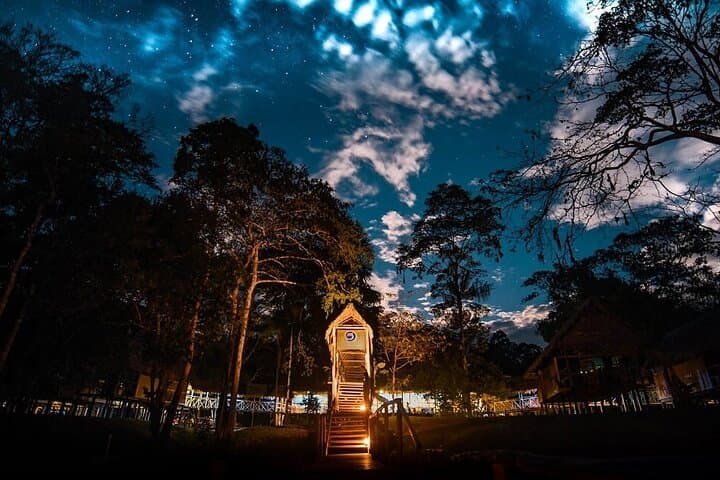
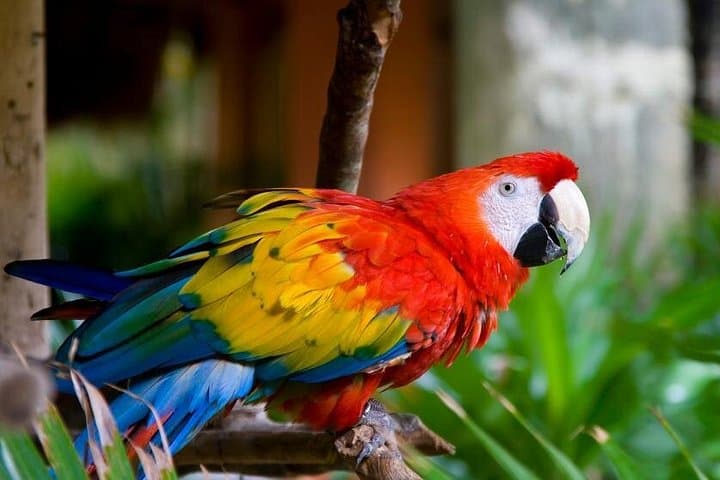
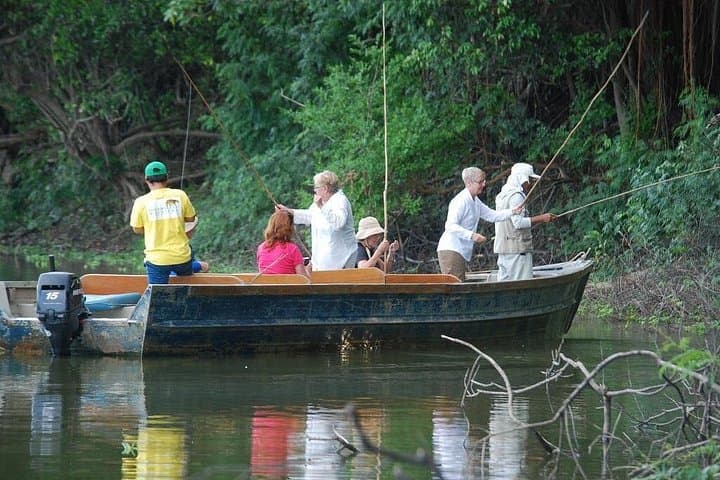
Expect guided canoe trips at dawn for bird and dolphin sightings, hikes into terra firme to inspect giant lilies and orchids, piranha fishing, and night excursions for caimans and nocturnal frogs. The lodge operates without Wi‑Fi; evenings are for stargazing from hammocks and listening to the jungle’s long catalogue of calls.
Practical guidance: arrive in Iquitos by early morning, travel light with a daypack, and bring waterproof layers and insect protection—rain is possible any month. Hydrate, pace your walks, and follow guides’ instructions around wildlife. The experience is low‑impact but richly active: you’ll paddle, hike on unpaved forest trails, and move by small boats. For travelers who want raw wildlife encounters, Muyuna’s remote location maximizes sightings while giving you the comforts of simple lodge accommodation and full board.
moderate.
3 days.
Suitable for most fitness levels; participants should be comfortable walking unpaved trails and boarding small boats.
No — short boat and canoe transfers are guided and suitable for beginners; guides handle navigation and safety.
No — Muyuna Lodge does not have Wi‑Fi or reliable internet; plan accordingly and use the time offline.
Large checked luggage can be left in lodge storage; bring a small daypack for river transfers and essentials.
Recommended: routine vaccines, plus yellow fever and malaria prophylaxis based on CDC guidance—consult your health provider before travel.
The Tamshiyacu‑Tahuayo corridor hosts indigenous communities and long‑term biological research; lodges here grew alongside conservation efforts in the late 20th century.
Muyuna operates within protected corridors; visitors should avoid single‑use plastics, stick to trails, and support community‑run initiatives to reduce ecological impact.
VIPAC Travel operates guided outdoor trips and adventures with an emphasis on safety, stewardship, and memorable experiences.
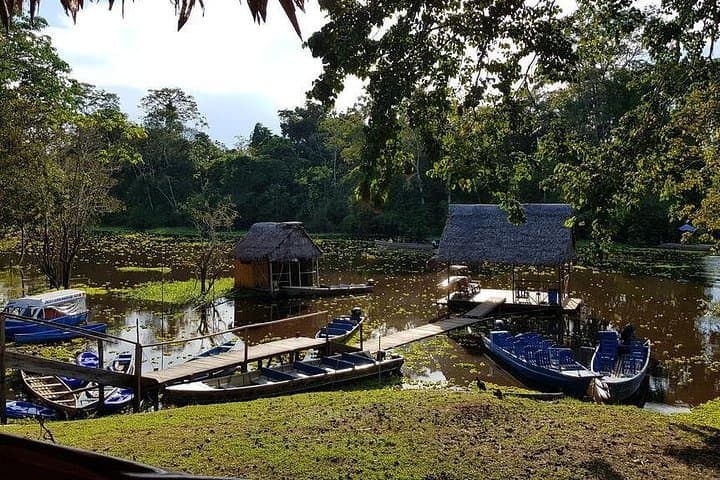
Mist hangs low over the Yanayacu as your boat parts the brown river, and the forest leans in: leaves whisper, river currents push you upriver, and distant calls promise wildlife before breakfast. Arriving at Muyuna Lodge—three hours by land and river from Iquitos—feels like stepping into an active laboratory of rainforest life where guides turn every bend into an observation point.
Mist hangs low over the Yanayacu as your boat parts the brown river, and the forest leans in: leaves whisper, river currents push you upriver, and distant calls promise wildlife before breakfast. Arriving at Muyuna Lodge—three hours by land and river from Iquitos—feels like stepping into an active laboratory of rainforest life where guides turn every bend into an observation point.
The Tamshiyacu‑Tahuayo corridor has long been a crossroads for indigenous communities, rubber‑era traders and researchers cataloging Amazonian biodiversity. Geology here is simple: flat, seasonally flooded varzea and oxbow lakes carved by the river’s slow, patient work. Culture is river culture—small communities like San Juan de Yanayacu still live by fishing and cacao, and local guides blend traditional knowledge with modern naturalism.
Expect guided canoe trips at dawn for bird and dolphin sightings, hikes into terra firme to inspect giant lilies and orchids, piranha fishing, and night excursions for caimans and nocturnal frogs. The lodge operates without Wi‑Fi; evenings are for stargazing from hammocks and listening to the jungle’s long catalogue of calls.
Practical guidance: arrive in Iquitos by early morning, travel light with a daypack, and bring waterproof layers and insect protection—rain is possible any month. Hydrate, pace your walks, and follow guides’ instructions around wildlife. The experience is low‑impact but richly active: you’ll paddle, hike on unpaved forest trails, and move by small boats. For travelers who want raw wildlife encounters, Muyuna’s remote location maximizes sightings while giving you the comforts of simple lodge accommodation and full board.