THE ADVENTURE COLLECTIVE® · Independent discovery and booking for outdoor travel

Descend from the Andes into cloud forest and the Amazon over three active days: bird-filled trails, river catamarans, a parrot collpa at dawn and two nights in jungle hostels. This compact itinerary pairs accessible river navigation with prime wildlife viewing.
Descend from the Andes into cloud forest and the Amazon over three active days: bird-filled trails, river catamarans, a parrot collpa at dawn and two nights in jungle hostels. This compact itinerary pairs accessible river navigation with prime wildlife viewing.
The day begins before dawn in Cusco, the city’s cobbled streets still cool as a minivan climbs into the high Andes. By mid-morning you’ll be at Ajanaco (≈3,500 m), the last ridge before the mountain gives way to cloud forest — a green wall that seems to breathe as you descend.
Verified experiences and guided adventures in the surrounding area.
Operated by Choquequirao Booking · Cusco, Cusco Region
The day begins before dawn in Cusco, the city’s cobbled streets still cool as a minivan climbs into the high Andes. By mid-morning you’ll be at Ajanaco (≈3,500 m), the last ridge before the mountain gives way to cloud forest — a green wall that seems to breathe as you descend.
This route follows a long natural edge where Andean geology meets the Amazon basin: eroded volcanic soils and steep river valleys give way to alluvial plains and winding blackwater rivers. Human history here is layered — pre-Columbian routes, missionary posts, and small Quechua and mestizo settlements that trade coca, fruit and craftwork with river towns like Atalaya.
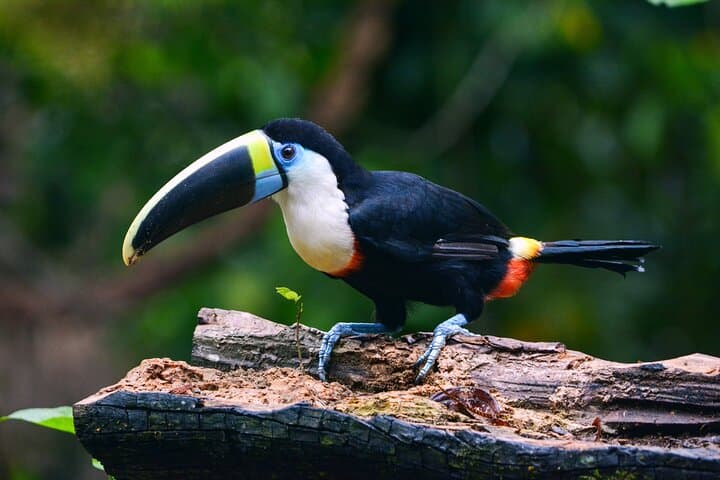
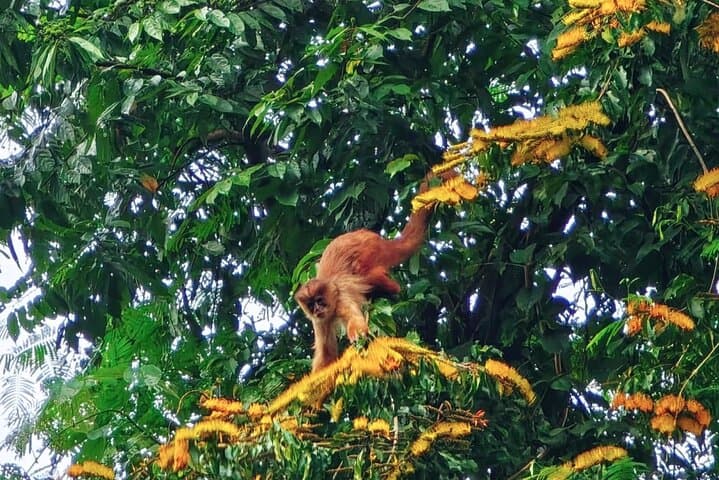
On the water, the rainforest takes on a character of its own. Rivers dare you into quiet observation: parrot collpas (clay licks) attract noisy flocks at first light, catamarans slip close to reedy banks where hoatzin and kingfishers watch. Night hikes reframe the jungle: insects and frogs orchestrate a living radar that pulls guides and guests forward.
Practical side: expect long drives, two nights in simple jungle hostels, and multiple short boat rides. Guides handle logistics — meals, local transport and safety — but bring your own binoculars, layered rain gear and a basic first-aid kit. Acclimatize in Cusco for a day or two if arriving from sea level; altitude fatigue can make the first leg slow. Travel light on the boats, keep electronics dry, and plan for early mornings — the best wildlife shows happen at dawn and dusk.
moderate.
3 days.
Moderate fitness required: able to walk uneven trails for 1–3 hours and tolerate long vehicle transfers.
No prior experience required; guides lead all trails and boat trips, but moderate fitness and the ability to walk on uneven ground are recommended.
The tour starts at high elevation near Cusco (≈3,500 m) so acclimatizing beforehand reduces headache, fatigue and nausea during the first day.
No mandatory vaccinations for most travelers, but check current CDC guidance for yellow fever and consult a doctor about malaria prophylaxis depending on exact itinerary.
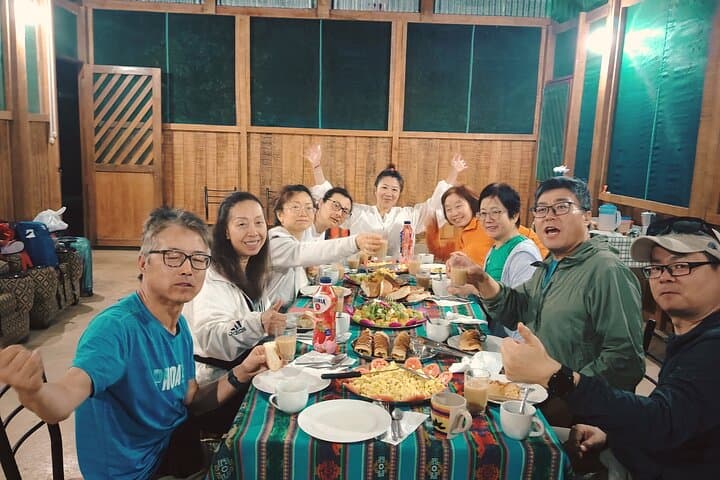
Two nights are in basic, comfortable jungle hostels with shared facilities and locally sourced meals — electricity and hot water may be limited.
This corridor has long linked Andean highland communities with Amazonian river towns; colonial-era routes and indigenous trade shaped many river settlements along the way.
Visitors should avoid feeding wildlife, carry out waste, and follow guide instructions to protect fragile riverbanks and clay licks; supporting local lodges helps fund community conservation.
Choquequirao Booking operates guided outdoor trips and adventures with an emphasis on safety, stewardship, and memorable experiences.
The day begins before dawn in Cusco, the city’s cobbled streets still cool as a minivan climbs into the high Andes. By mid-morning you’ll be at Ajanaco (≈3,500 m), the last ridge before the mountain gives way to cloud forest — a green wall that seems to breathe as you descend.
The day begins before dawn in Cusco, the city’s cobbled streets still cool as a minivan climbs into the high Andes. By mid-morning you’ll be at Ajanaco (≈3,500 m), the last ridge before the mountain gives way to cloud forest — a green wall that seems to breathe as you descend.
This route follows a long natural edge where Andean geology meets the Amazon basin: eroded volcanic soils and steep river valleys give way to alluvial plains and winding blackwater rivers. Human history here is layered — pre-Columbian routes, missionary posts, and small Quechua and mestizo settlements that trade coca, fruit and craftwork with river towns like Atalaya.
On the water, the rainforest takes on a character of its own. Rivers dare you into quiet observation: parrot collpas (clay licks) attract noisy flocks at first light, catamarans slip close to reedy banks where hoatzin and kingfishers watch. Night hikes reframe the jungle: insects and frogs orchestrate a living radar that pulls guides and guests forward.
Practical side: expect long drives, two nights in simple jungle hostels, and multiple short boat rides. Guides handle logistics — meals, local transport and safety — but bring your own binoculars, layered rain gear and a basic first-aid kit. Acclimatize in Cusco for a day or two if arriving from sea level; altitude fatigue can make the first leg slow. Travel light on the boats, keep electronics dry, and plan for early mornings — the best wildlife shows happen at dawn and dusk.