THE ADVENTURE COLLECTIVE® · Independent discovery and booking for outdoor travel

Trade Quito’s high plains for three days in the western Amazon—jungle walks, river canoe transfers, Kichwa community visits, and a choice of wildlife or waterfall excursions. This compact trip blends wildlife viewing with hands-on cultural experiences and easy lodge nights.
Trade Quito’s high plains for three days in the western Amazon—jungle walks, river canoe transfers, Kichwa community visits, and a choice of wildlife or waterfall excursions. This compact trip blends wildlife viewing with hands-on cultural experiences and easy lodge nights.
You leave the high, dry air of Quito and cross an invisible seam; the road descends, humidity thickens, and the Napo’s tributaries begin to rattle the roadside trees. By the time you arrive at the lodge outside Tena the river claims your attention—brown, quick, daring you to step closer and feel its pull.
Verified experiences and guided adventures in the surrounding area.
Operated by Perfect Destiny · Tena, Napo
You leave the high, dry air of Quito and cross an invisible seam; the road descends, humidity thickens, and the Napo’s tributaries begin to rattle the roadside trees. By the time you arrive at the lodge outside Tena the river claims your attention—brown, quick, daring you to step closer and feel its pull.
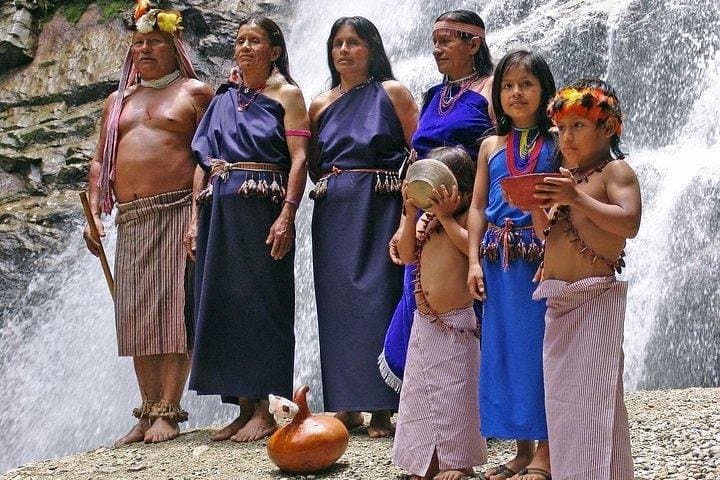
This corridor of the western Amazon sits on young alluvial soils carved by Andean runoff. Indigenous Kichwa families have lived here for generations, refining cassava techniques and ceremonial music that visitors may see during community visits. Geologically the landscape is recent—rivers braid, cut oxbow lagoons, and leave sand beaches used for midday tubbing.
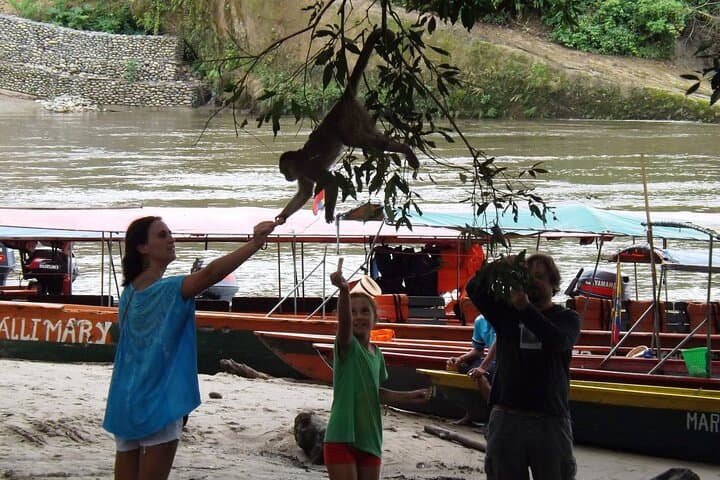
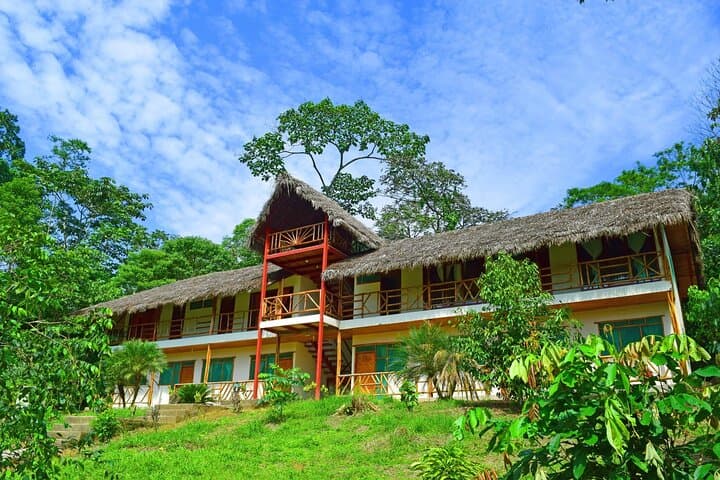
Over three days you'll mix lowland jungle walks (Ceibo & Medicinals Plants route), river transfers by canoe, and options like the Amazonico Animal Rescue Center or Umbini Trail with Monkeys Beach. Nights at a simple lodge with private baths let you exchange daytime humidity for a hammock and the chorus of frogs and insects.
Practically: expect warm, humid conditions and short, muddy trails with some slippery roots and stone. Guides provide local interpretation and handle river logistics; transfers from Quito are included. Bring quick-dry layers, a light rain shell, insect repellent, and a waterproof bag for electronics. Hydrate often and pack sunscreen—even under canopy it's easy to burn near river beaches.
This trip suits travelers seeking straightforward jungle immersion with cultural visits, wildlife viewing, and river time—no technical skills required, but a sense of adventure and tolerance for humidity will go a long way.
moderate.
3 days.
Suitable for most fitness levels; participants should be comfortable with 1–3 hour guided walks on uneven, sometimes muddy trails and short river rides.
Pickup from Quito hotels inside the urban perimeter is included; provide flight and hotel details at booking so timing can be coordinated.
Yes—most breakfasts, lunches, and dinners are included as outlined in the itinerary, including box lunches on excursion days.
The tour is family-friendly and rated suitable for most ages, but young children should be supervised near rivers and on night walks.
Check CDC or your local health advice for recommended vaccines and consider antimalarial guidance based on current recommendations; bring any personal medications.
The Napo corridor has long been inhabited by Kichwa communities whose riverine lifestyle and cassava agriculture shaped local culture; contact with Quito increased in the 20th century with road and river transport.
Riverine forests here are sensitive to deforestation and extractive pressures; choose operators who follow community-based tourism and avoid disturbing wildlife habitats.
Perfect Destiny operates guided outdoor trips and adventures with an emphasis on safety, stewardship, and memorable experiences.
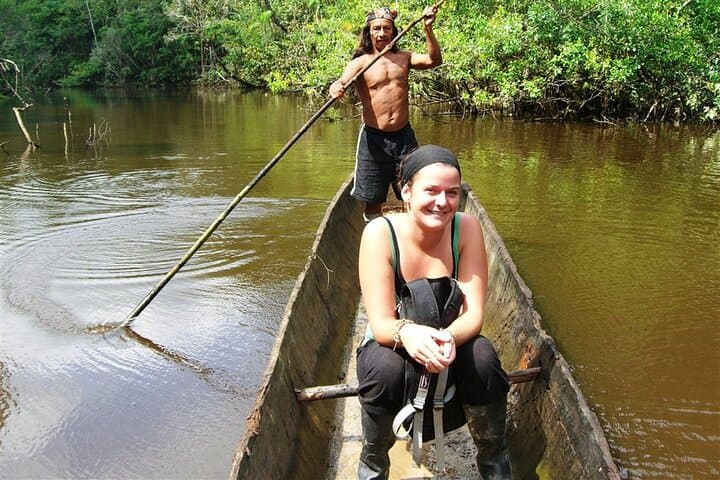
You leave the high, dry air of Quito and cross an invisible seam; the road descends, humidity thickens, and the Napo’s tributaries begin to rattle the roadside trees. By the time you arrive at the lodge outside Tena the river claims your attention—brown, quick, daring you to step closer and feel its pull.
You leave the high, dry air of Quito and cross an invisible seam; the road descends, humidity thickens, and the Napo’s tributaries begin to rattle the roadside trees. By the time you arrive at the lodge outside Tena the river claims your attention—brown, quick, daring you to step closer and feel its pull.
This corridor of the western Amazon sits on young alluvial soils carved by Andean runoff. Indigenous Kichwa families have lived here for generations, refining cassava techniques and ceremonial music that visitors may see during community visits. Geologically the landscape is recent—rivers braid, cut oxbow lagoons, and leave sand beaches used for midday tubbing.
Over three days you'll mix lowland jungle walks (Ceibo & Medicinals Plants route), river transfers by canoe, and options like the Amazonico Animal Rescue Center or Umbini Trail with Monkeys Beach. Nights at a simple lodge with private baths let you exchange daytime humidity for a hammock and the chorus of frogs and insects.
Practically: expect warm, humid conditions and short, muddy trails with some slippery roots and stone. Guides provide local interpretation and handle river logistics; transfers from Quito are included. Bring quick-dry layers, a light rain shell, insect repellent, and a waterproof bag for electronics. Hydrate often and pack sunscreen—even under canopy it's easy to burn near river beaches.
This trip suits travelers seeking straightforward jungle immersion with cultural visits, wildlife viewing, and river time—no technical skills required, but a sense of adventure and tolerance for humidity will go a long way.