THE ADVENTURE COLLECTIVE® · Independent discovery and booking for outdoor travel

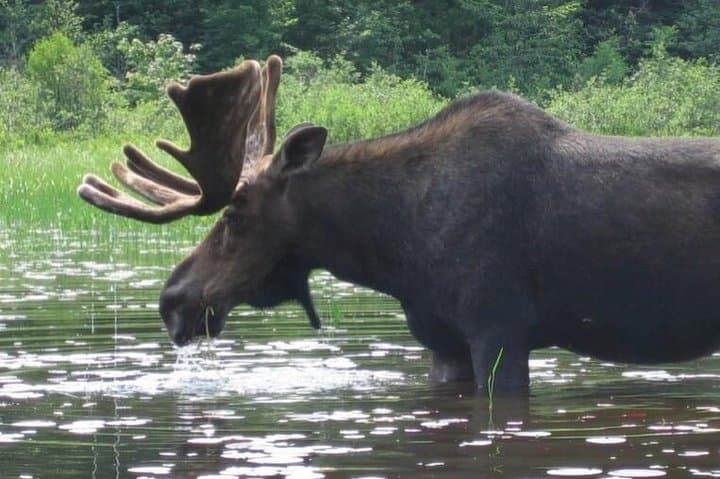
Paddle interior lakes, portage through forested corridors, and sleep under a remote Algonquin sky on this three-day guided canoe-camping trip. Expect moose sightings, beaver-choked streams, and hands-on instruction in wilderness skills.
Paddle interior lakes, portage through forested corridors, and sleep under a remote Algonquin sky on this three-day guided canoe-camping trip. Expect moose sightings, beaver-choked streams, and hands-on instruction in wilderness skills.
A low mist lifts off the lake as you shove a kevlar canoe from the shore and feel the first stroke pull you into silence. The trees lean close here — pines and birches shading water that can shift from glass to ripple in a single gust. For three days you’ll live at the rhythm of paddling, portaging, and the campfire: a true interior Algonquin wilderness loop that puts a shoreline and a sky between you and the road.
Verified experiences and guided adventures in the surrounding area.
Operated by Call Of The Wild · Huntsville, Ontario
A low mist lifts off the lake as you shove a kevlar canoe from the shore and feel the first stroke pull you into silence. The trees lean close here — pines and birches shading water that can shift from glass to ripple in a single gust. For three days you’ll live at the rhythm of paddling, portaging, and the campfire: a true interior Algonquin wilderness loop that puts a shoreline and a sky between you and the road.
Algonquin’s landscape is the work of glaciers and centuries of logging; you’ll cross lakes scoured by ice, paddle past exposed Precambrian bedrock, and find ancient Indigenous pictographs on sheltered rocks. Cultural echoes — old log chutes and seasonal canoe routes — are visible alongside beaver dams and moose trails. Guides often point out how the South Madawaska and connected waterways shaped both wildlife and human movement through the park.
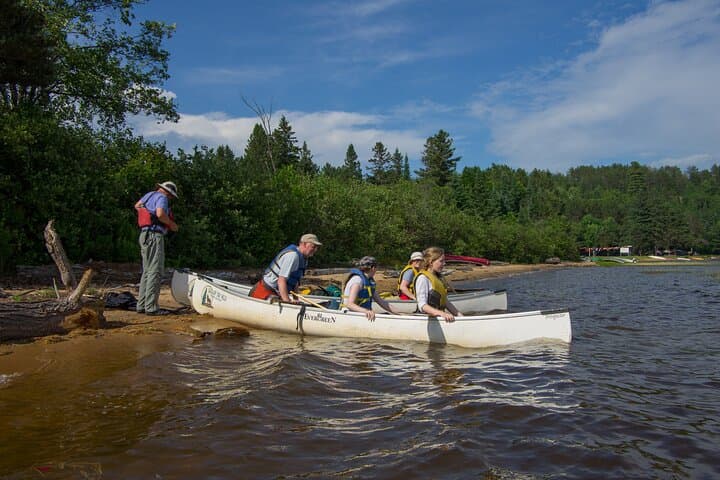
Practically, expect about three hours of paddling on day one with a 300 m portage into an interior camp, options for short day portages on day two, and an early paddle-home on day three. Terrain is water-first: open lakes, narrow river channels, beaver-blocked streams, and occasional rocky shores; plan for wet landings and hauling lightweight kevlar over short carries. Bring layered, quick-dry clothing, sturdy water shoes for portages and beaver-dam crossings, and a good sleeping bag — guided trips provide tents and cooking gear but personal sleep systems are usually not provided. Hydration, insect protection, and respect for quiet hours will make the trip safer and more rewarding. At night look for the Milky Way and listen — wolves and loons sometimes answer the dark.
challenging.
3 days.
High level of fitness recommended — expect multiple hours of paddling daily, portaging with moderate loads, and uneven shorelines.
No formal experience required — guides teach paddling and portaging on day one — but being comfortable with basic strokes and balance makes the trip easier.
Meals, a professional guide, park permits, two nights’ tent accommodation, and shared group camping equipment are included; personal sleeping bags and flashlights are commonly not provided.
Minimum age is 8; groups are kept small (up to eight participants) to preserve the wilderness experience and safety.
Camps are interior and remote with little or no cell coverage; expect true backcountry conditions and rely on guide communication and preparedness.
Algonquin Park contains Indigenous pictographs and routes used for centuries; the park’s modern trails and log chutes reflect a 19th–20th century logging era that reshaped waterways.
Algonquin is a managed provincial park with permits and backcountry regulations — follow Leave No Trace, minimize campfire impact, and respect wildlife viewing distances.
Call Of The Wild operates guided outdoor trips and adventures with an emphasis on safety, stewardship, and memorable experiences.
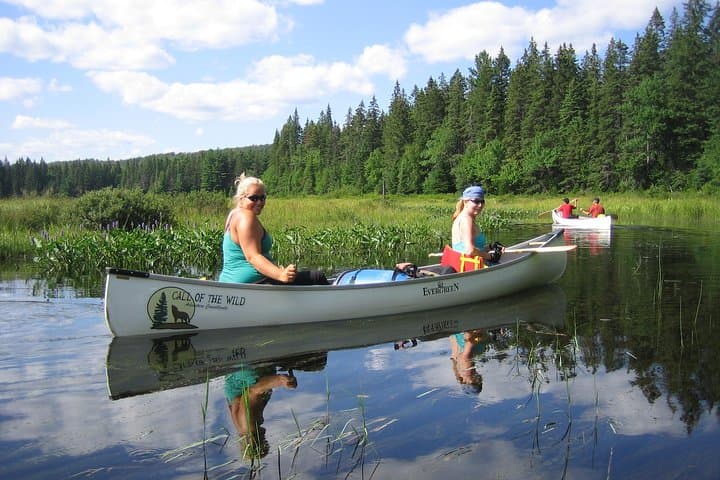
A low mist lifts off the lake as you shove a kevlar canoe from the shore and feel the first stroke pull you into silence. The trees lean close here — pines and birches shading water that can shift from glass to ripple in a single gust. For three days you’ll live at the rhythm of paddling, portaging, and the campfire: a true interior Algonquin wilderness loop that puts a shoreline and a sky between you and the road.
A low mist lifts off the lake as you shove a kevlar canoe from the shore and feel the first stroke pull you into silence. The trees lean close here — pines and birches shading water that can shift from glass to ripple in a single gust. For three days you’ll live at the rhythm of paddling, portaging, and the campfire: a true interior Algonquin wilderness loop that puts a shoreline and a sky between you and the road.
Algonquin’s landscape is the work of glaciers and centuries of logging; you’ll cross lakes scoured by ice, paddle past exposed Precambrian bedrock, and find ancient Indigenous pictographs on sheltered rocks. Cultural echoes — old log chutes and seasonal canoe routes — are visible alongside beaver dams and moose trails. Guides often point out how the South Madawaska and connected waterways shaped both wildlife and human movement through the park.
Practically, expect about three hours of paddling on day one with a 300 m portage into an interior camp, options for short day portages on day two, and an early paddle-home on day three. Terrain is water-first: open lakes, narrow river channels, beaver-blocked streams, and occasional rocky shores; plan for wet landings and hauling lightweight kevlar over short carries. Bring layered, quick-dry clothing, sturdy water shoes for portages and beaver-dam crossings, and a good sleeping bag — guided trips provide tents and cooking gear but personal sleep systems are usually not provided. Hydration, insect protection, and respect for quiet hours will make the trip safer and more rewarding. At night look for the Milky Way and listen — wolves and loons sometimes answer the dark.