THE ADVENTURE COLLECTIVE® · Independent discovery and booking for outdoor travel

Three days in Akagera combine sunrise balloon flights, sunset boat cruises on Lake Ihema, and guided day and night game drives. This luxury itinerary pairs close wildlife encounters with comfortable lodges and expert local guides.
Three days in Akagera combine sunrise balloon flights, sunset boat cruises on Lake Ihema, and guided day and night game drives. This luxury itinerary pairs close wildlife encounters with comfortable lodges and expert local guides.
The horizon at Lake Ihema breaks open before dawn—misted water sliding under hippo-breath and the silhouette of acacia against a cold, pale sky. You step into a 4x4 whose open roof frames the savannah; the driver eases the vehicle forward and the park begins to speak: birds calling, distant hooves, a lion’s slow impatience.
Verified experiences and guided adventures in the surrounding area.
Operated by Afri Safaris · Kayonza, Eastern Province
The horizon at Lake Ihema breaks open before dawn—misted water sliding under hippo-breath and the silhouette of acacia against a cold, pale sky. You step into a 4x4 whose open roof frames the savannah; the driver eases the vehicle forward and the park begins to speak: birds calling, distant hooves, a lion’s slow impatience.
Akagera sits on Rwanda’s eastern plateau where savannah meets papyrus wetland. The park’s lakes and rolling grasslands were shaped by tectonic forces tied to the Rift Valley and by seasonal rains that flood lowlands and concentrate wildlife along shorelines. Culturally, the region links to Kayonza’s artisan tradition—Imigongo ceramics and painted cow dung art—a reminder that human and wild histories are braided here.
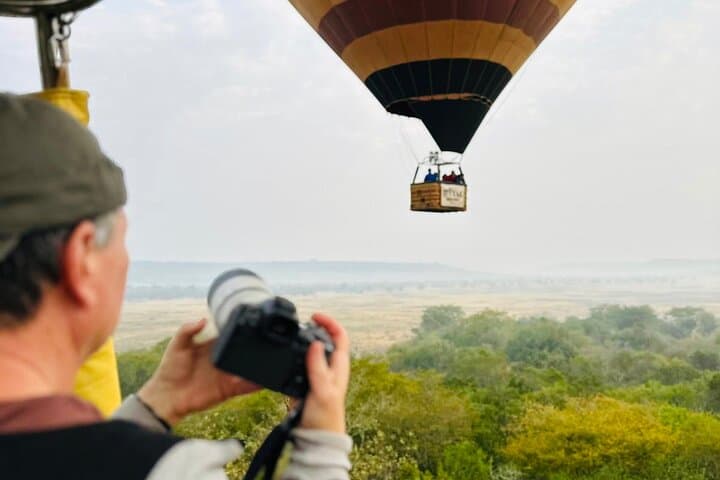
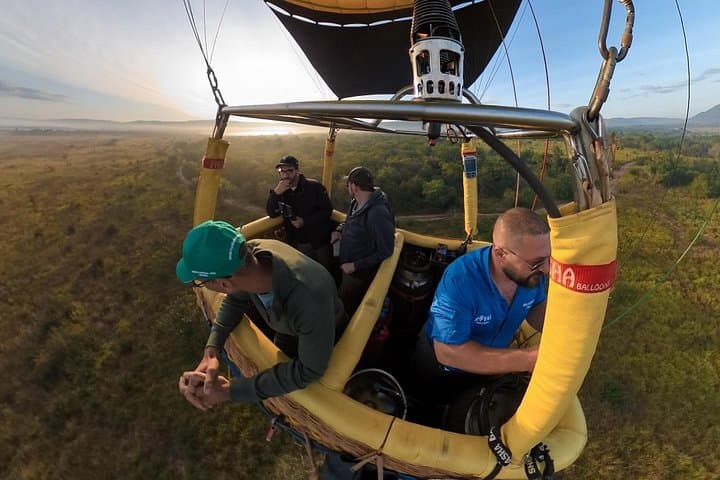
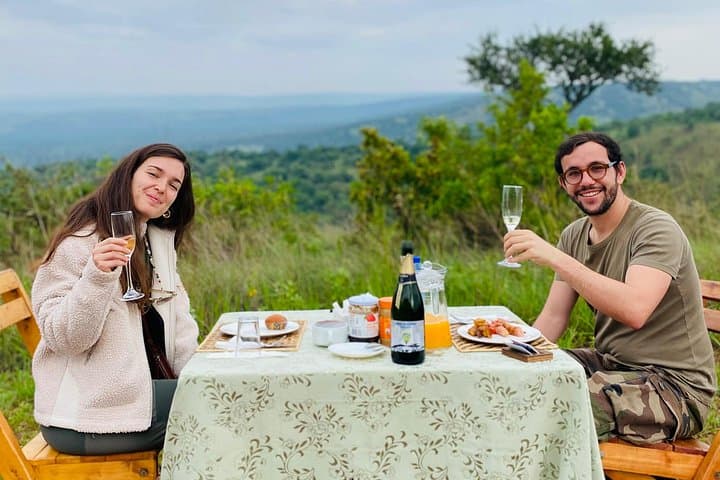
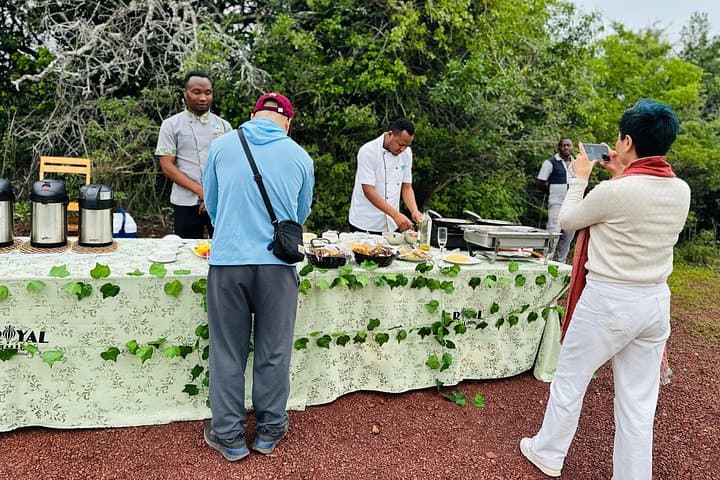
Over three days you’ll watch elephants from a balloon at sunrise, toast with champagne after landing, slide across Lake Ihema at sunset to find hippos and crocodiles, then track nocturnal predators on a night drive. Guides read spoor like a language; your best observations come from patience, quiet, and timing.
Practical notes: mornings are cold—layer and bring closed shoes for the balloon. The dry season (June–September, December–February) offers clearer skies for flying and better road access; rains can make dirt roads slow. Carry a telephoto lens or binoculars, keep distance from wildlife, and pack reusable water—Rwanda encourages low-waste travel. With private transfers and lodge stays included, the trip balances comfort with serious wildlife viewing—an efficient, high-impact way to experience Akagera’s recovering ecosystem.
moderate.
3 days.
Suitable for most fitness levels; expect early starts, short walks during viewing, and gentle vehicle transfers.
Operators set age and health limits; most allow children and seniors if they can stand for launch/landing and follow crew instructions—check age and weight restrictions before booking.
Akagera hosts the Big Five, giraffe, zebra and hippo; sightings depend on season and luck but balloon and boat trips increase your viewing chances.
Night drives are conducted by experienced guides in enclosed vehicles; they’re generally safe but follow guide directions and keep limbs inside the vehicle.
Check current Rwandan entry and health requirements—yellow fever vaccination and visa rules can apply depending on nationality and recent travel history.
Akagera was designated a protected area in the early 20th century and, after decades of decline, has seen active restoration including rhino reintroductions and anti-poaching programs.
The park operates through partnerships that focus on anti-poaching, habitat management, and community engagement—visitors support conservation via park fees and responsible behavior.
Afri Safaris operates guided outdoor trips and adventures with an emphasis on safety, stewardship, and memorable experiences.
The horizon at Lake Ihema breaks open before dawn—misted water sliding under hippo-breath and the silhouette of acacia against a cold, pale sky. You step into a 4x4 whose open roof frames the savannah; the driver eases the vehicle forward and the park begins to speak: birds calling, distant hooves, a lion’s slow impatience.
The horizon at Lake Ihema breaks open before dawn—misted water sliding under hippo-breath and the silhouette of acacia against a cold, pale sky. You step into a 4x4 whose open roof frames the savannah; the driver eases the vehicle forward and the park begins to speak: birds calling, distant hooves, a lion’s slow impatience.
Akagera sits on Rwanda’s eastern plateau where savannah meets papyrus wetland. The park’s lakes and rolling grasslands were shaped by tectonic forces tied to the Rift Valley and by seasonal rains that flood lowlands and concentrate wildlife along shorelines. Culturally, the region links to Kayonza’s artisan tradition—Imigongo ceramics and painted cow dung art—a reminder that human and wild histories are braided here.
Over three days you’ll watch elephants from a balloon at sunrise, toast with champagne after landing, slide across Lake Ihema at sunset to find hippos and crocodiles, then track nocturnal predators on a night drive. Guides read spoor like a language; your best observations come from patience, quiet, and timing.
Practical notes: mornings are cold—layer and bring closed shoes for the balloon. The dry season (June–September, December–February) offers clearer skies for flying and better road access; rains can make dirt roads slow. Carry a telephoto lens or binoculars, keep distance from wildlife, and pack reusable water—Rwanda encourages low-waste travel. With private transfers and lodge stays included, the trip balances comfort with serious wildlife viewing—an efficient, high-impact way to experience Akagera’s recovering ecosystem.