THE ADVENTURE COLLECTIVE® · Independent discovery and booking for outdoor travel

Cover Marrakech’s medina, trek to waterfalls in the High Atlas and finish at Casablanca’s Hassan II Mosque on this compact three-day tour from Agadir. Expect cultural highlights, short village hikes and comfortable minivan transfers.
Cover Marrakech’s medina, trek to waterfalls in the High Atlas and finish at Casablanca’s Hassan II Mosque on this compact three-day tour from Agadir. Expect cultural highlights, short village hikes and comfortable minivan transfers.
Dawn on the road from Agadir throws a gold edge across the Atlas foothills as the minivan unwinds toward Marrakech; olive terraces and low stone homes pass by, and the air tightens into mountain chill as the route climbs. By mid-morning the city’s ochre walls appear, and the medina’s alleys—noisy, fragrant, exact—pull visitors into a different rhythm.
Verified experiences and guided adventures in the surrounding area.
Operated by Across Africa Tours LLC · Marrakech, Marrakech-Safi
Dawn on the road from Agadir throws a gold edge across the Atlas foothills as the minivan unwinds toward Marrakech; olive terraces and low stone homes pass by, and the air tightens into mountain chill as the route climbs. By mid-morning the city’s ochre walls appear, and the medina’s alleys—noisy, fragrant, exact—pull visitors into a different rhythm.
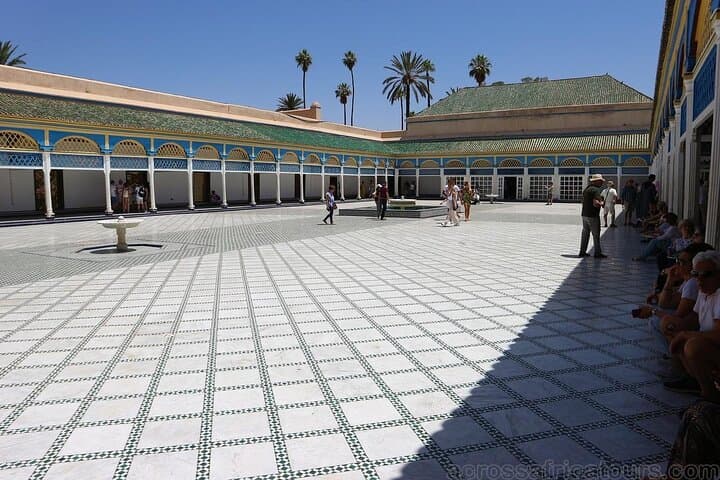
The itinerary moves fast: a walking tour of Marrakech’s major monuments (Bahia Palace, Saadian Tombs, Koutoubia gardens, Jemaa el-Fnaa), a day among Berber villages and the Ourika/Asni valleys in the High Atlas, and a coastal finish at Casablanca’s Hassan II Mosque and Corniche. Geology here is visible—folded limestone and volcanic outcrops shape valleys that channel snowmelt into the rivulets and seasonal waterfalls near Setti Fatma.
Culturally, the route stitches urban Moroccan history to rural Berber life: markets, riad architecture, family lunches and small-scale agriculture that still follow seasonal cycles. Expect local hospitality where tea punctuates conversation and markets sell woven goods and argan oil.
Practical guidance: travel between cities is by comfortable Mercedes Sprinter minivan; walking in medinas and short hikes in the Ourika Valley require steady footwear and sun protection. Carry cash for small village purchases, and schedule Majorelle Gardens visits outside peak hours to avoid lines. Hydrate at regular intervals on mountain stretches—the altitude change is modest but noticeable.
This plan suits travelers who want a compact sample of Morocco’s city culture and accessible mountain scenery over three active days.
moderate.
3 days.
Suitable for travelers in average physical condition; involves walking tours and short hikes with modest elevation change.
The transfer takes about 3 hours with a scheduled stop; time can vary with traffic and road conditions.
Lunch in the Atlas with a local family is included; other meals depend on the tour inclusions and chosen options.
No—Setti Fatma waterfall walks are short and suitable for most fitness levels, though paths can be uneven and slippery after rain.
Yes—Majorelle is listed as an optional visit; it’s best scheduled outside peak midday hours to avoid queues.
The route connects imperial Marrakech’s 12th–19th century monuments to centuries-old Berber settlements in the High Atlas, reflecting trade and agricultural patterns shaped by mountain watercourses.
Support small local businesses and avoid single-use plastics; stick to marked paths in valley hikes to reduce erosion and disturbance.
Across Africa Tours LLC operates guided outdoor trips and adventures with an emphasis on safety, stewardship, and memorable experiences.
Dawn on the road from Agadir throws a gold edge across the Atlas foothills as the minivan unwinds toward Marrakech; olive terraces and low stone homes pass by, and the air tightens into mountain chill as the route climbs. By mid-morning the city’s ochre walls appear, and the medina’s alleys—noisy, fragrant, exact—pull visitors into a different rhythm.
Dawn on the road from Agadir throws a gold edge across the Atlas foothills as the minivan unwinds toward Marrakech; olive terraces and low stone homes pass by, and the air tightens into mountain chill as the route climbs. By mid-morning the city’s ochre walls appear, and the medina’s alleys—noisy, fragrant, exact—pull visitors into a different rhythm.
The itinerary moves fast: a walking tour of Marrakech’s major monuments (Bahia Palace, Saadian Tombs, Koutoubia gardens, Jemaa el-Fnaa), a day among Berber villages and the Ourika/Asni valleys in the High Atlas, and a coastal finish at Casablanca’s Hassan II Mosque and Corniche. Geology here is visible—folded limestone and volcanic outcrops shape valleys that channel snowmelt into the rivulets and seasonal waterfalls near Setti Fatma.
Culturally, the route stitches urban Moroccan history to rural Berber life: markets, riad architecture, family lunches and small-scale agriculture that still follow seasonal cycles. Expect local hospitality where tea punctuates conversation and markets sell woven goods and argan oil.
Practical guidance: travel between cities is by comfortable Mercedes Sprinter minivan; walking in medinas and short hikes in the Ourika Valley require steady footwear and sun protection. Carry cash for small village purchases, and schedule Majorelle Gardens visits outside peak hours to avoid lines. Hydrate at regular intervals on mountain stretches—the altitude change is modest but noticeable.
This plan suits travelers who want a compact sample of Morocco’s city culture and accessible mountain scenery over three active days.