THE ADVENTURE COLLECTIVE® · Independent discovery and booking for outdoor travel

A compact three-day exploration of the Aegean coast that links Roman Ephesus, the travertine terraces of Pamukkale, and lesser-known Ionian cities. Expect full days, archaeological walking, and thermal springs—entrance fees and lunches included.
A compact three-day exploration of the Aegean coast that links Roman Ephesus, the travertine terraces of Pamukkale, and lesser-known Ionian cities. Expect full days, archaeological walking, and thermal springs—entrance fees and lunches included.
On the first morning the road unfurls toward marble streets and theater steps: Ephesus’s Library of Celsus rises like a page of carved history, while the Great Theatre leans over the valley as if listening to centuries of applause.
Verified experiences and guided adventures in the surrounding area.
Operated by HERACLES TRAVEL · Kuşadası, Aydın
On the first morning the road unfurls toward marble streets and theater steps: Ephesus’s Library of Celsus rises like a page of carved history, while the Great Theatre leans over the valley as if listening to centuries of applause.
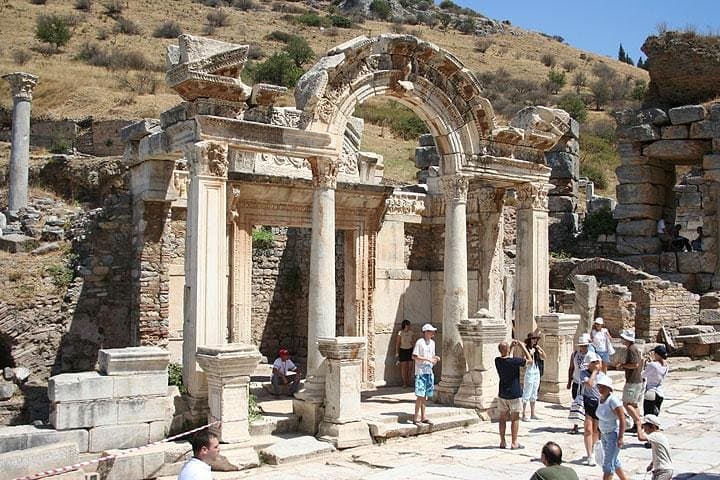
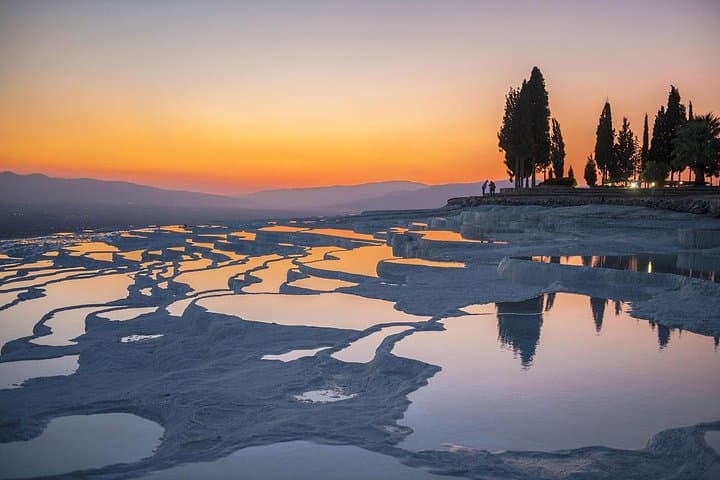
Across three days the tour stitches together Roman trade hubs, Ionian grid-planned cities and thermal landscapes. Ephesus was a major Roman port and early Christian center; nearby Bulbul Mountain holds the House of the Virgin Mary—a quiet pilgrimage spot. Geologically, Pamukkale’s terraces are living travertine formed by calcium-rich hot springs depositing layers of white mineral over millennia; Hierapolis, the ruined spa city perched above them, preserves necropoleis and a substantial theater carved into the slope.
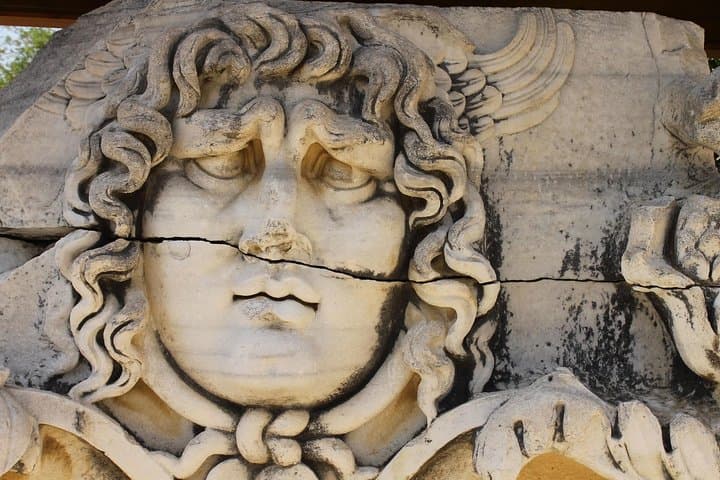
On day three the itinerary turns to smaller, cleaner-ruled sites: Priene’s Hellenistic grid plan and hilltop Temple of Athena, Miletus’s philosophers’ legacy and expanded theater, and the unfinished grandeur of Didyma’s Temple of Apollo—once a regional oracle rivaling Delphi.
Practical guidance: expect long days with significant walking over uneven archaeological surfaces and slippery travertine. Sunscreen, a wide-brim hat, and layered clothing are essential; comfortable, grippy shoes are a must. Passport details are required at booking and entrance fees are included in the tour price. Bring swimwear for hotel thermal pools, but respect protected travertine areas where footwear is removed and bathing on terraces is restricted. Start early to avoid midday heat at Pamukkale and plan for brief drives between sites—this is a compact, history-dense route best suited to travelers who can comfortably walk short distances on varied terrain.
moderate.
3 days (full-day excursions; 8–12 hours/day).
Moderate fitness: able to walk 0.5–2 miles across uneven ground, climb steps and stand through site visits.
Yes—entrance fees to sites listed in the itinerary and three lunches are included in the tour price.
Walking on certain travertine sections requires removing shoes and is limited; swimming is generally not allowed on the main terraces, but many hotels offer thermal pools for bathing.
Infants and small children can participate; stroller access is noted, but many sites have uneven terrain and steps, so it’s not recommended for those with serious mobility limitations.
Daily drives can be several hours total—expect transfers between Kusadasi/Selçuk, Pamukkale, and the Miletus/Didyma area; the tour is designed as point-to-point full days.
This route combines Roman-era Ephesus—once a key Mediterranean port—and Hierapolis, a Hellenistic-Roman spa town built around thermal springs that were used for healing since antiquity.
Pamukkale’s travertine is a protected, living formation; follow site rules, stay on designated paths, and avoid soaps or lotions in thermal waters to minimize impact.
HERACLES TRAVEL operates guided outdoor trips and adventures with an emphasis on safety, stewardship, and memorable experiences.
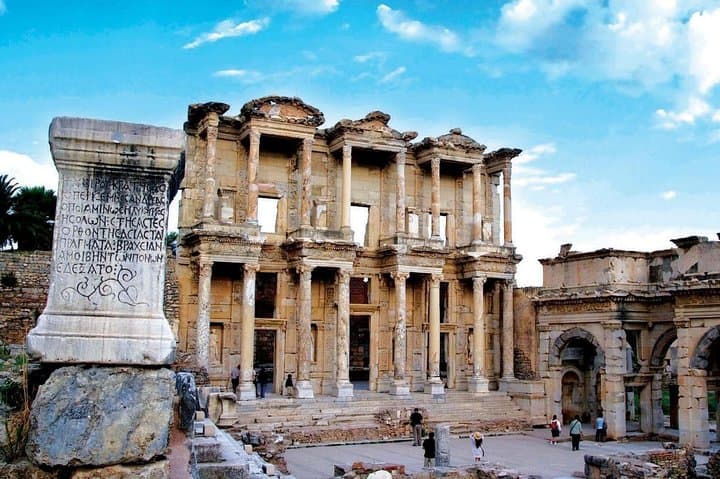
On the first morning the road unfurls toward marble streets and theater steps: Ephesus’s Library of Celsus rises like a page of carved history, while the Great Theatre leans over the valley as if listening to centuries of applause.
On the first morning the road unfurls toward marble streets and theater steps: Ephesus’s Library of Celsus rises like a page of carved history, while the Great Theatre leans over the valley as if listening to centuries of applause.
Across three days the tour stitches together Roman trade hubs, Ionian grid-planned cities and thermal landscapes. Ephesus was a major Roman port and early Christian center; nearby Bulbul Mountain holds the House of the Virgin Mary—a quiet pilgrimage spot. Geologically, Pamukkale’s terraces are living travertine formed by calcium-rich hot springs depositing layers of white mineral over millennia; Hierapolis, the ruined spa city perched above them, preserves necropoleis and a substantial theater carved into the slope.
On day three the itinerary turns to smaller, cleaner-ruled sites: Priene’s Hellenistic grid plan and hilltop Temple of Athena, Miletus’s philosophers’ legacy and expanded theater, and the unfinished grandeur of Didyma’s Temple of Apollo—once a regional oracle rivaling Delphi.
Practical guidance: expect long days with significant walking over uneven archaeological surfaces and slippery travertine. Sunscreen, a wide-brim hat, and layered clothing are essential; comfortable, grippy shoes are a must. Passport details are required at booking and entrance fees are included in the tour price. Bring swimwear for hotel thermal pools, but respect protected travertine areas where footwear is removed and bathing on terraces is restricted. Start early to avoid midday heat at Pamukkale and plan for brief drives between sites—this is a compact, history-dense route best suited to travelers who can comfortably walk short distances on varied terrain.