THE ADVENTURE COLLECTIVE® · Independent discovery and booking for outdoor travel

Three days of camping and game drives link Tarangire’s elephant herds, the volcanic bowl of Ngorongoro Crater, and the rift-side wetlands of Lake Manyara. Expect early starts, bumpy roads, intimate wildlife viewing, and basic-but-comfortable tented nights under the stars.
Three days of camping and game drives link Tarangire’s elephant herds, the volcanic bowl of Ngorongoro Crater, and the rift-side wetlands of Lake Manyara. Expect early starts, bumpy roads, intimate wildlife viewing, and basic-but-comfortable tented nights under the stars.
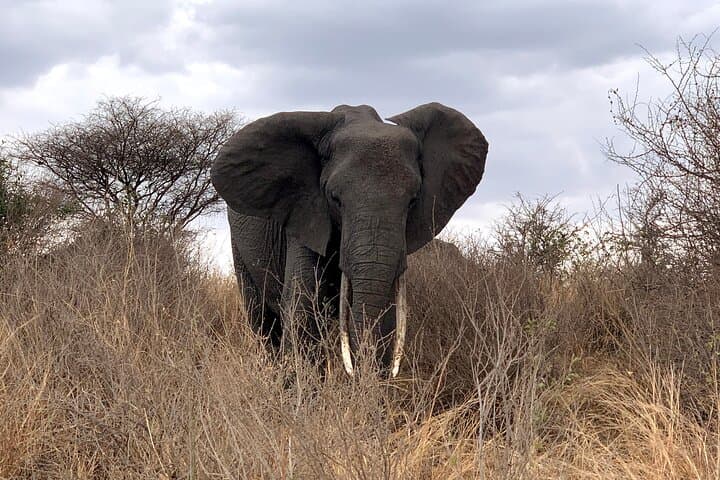
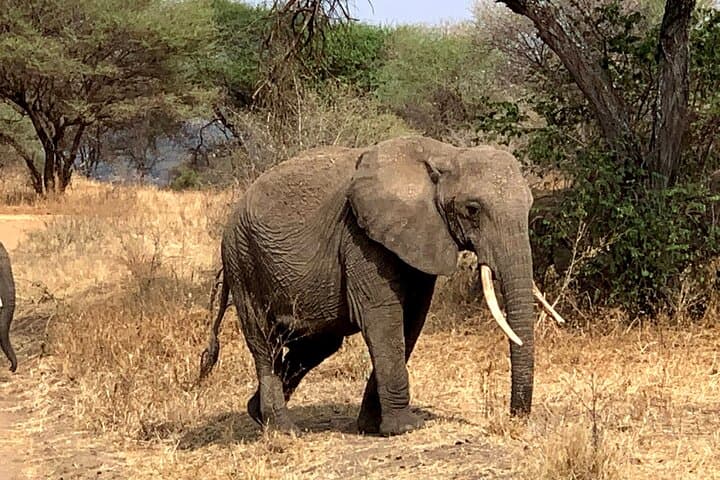
Dawn breaks over a dry riverbed as a herd of elephants moves like a slow tide across golden grass. The air is cool on the crater rim and heavy with birdsong at Lake Manyara; by night you sleep under a wide African sky with lanterns ticking softly outside your tent.
Verified experiences and guided adventures in the surrounding area.
Operated by 1 Ra Adventure Tours and Safaris · Arusha, Arusha Region
Dawn breaks over a dry riverbed as a herd of elephants moves like a slow tide across golden grass. The air is cool on the crater rim and heavy with birdsong at Lake Manyara; by night you sleep under a wide African sky with lanterns ticking softly outside your tent.
This three-day camping safari threads three very different landscapes. Tarangire is dominated by the lifeline river and its baobabs, where large elephant herds collect in the dry season. Ngorongoro is an immense collapsed volcano — a geological bowl formed more than two million years ago that traps grazing herds and their predators on a dramatic crater floor. Lake Manyara sits on the rift’s edge and supports wetlands, hot springs, and the odd habit of lions resting in trees.
Cultural notes: the region is Maasai country, with semi-nomadic bomas visible from main roads and traditional beadwork sold near park gates. Expect basic campsite comforts rather than lodge luxury; nights are quiet but can be chilly.
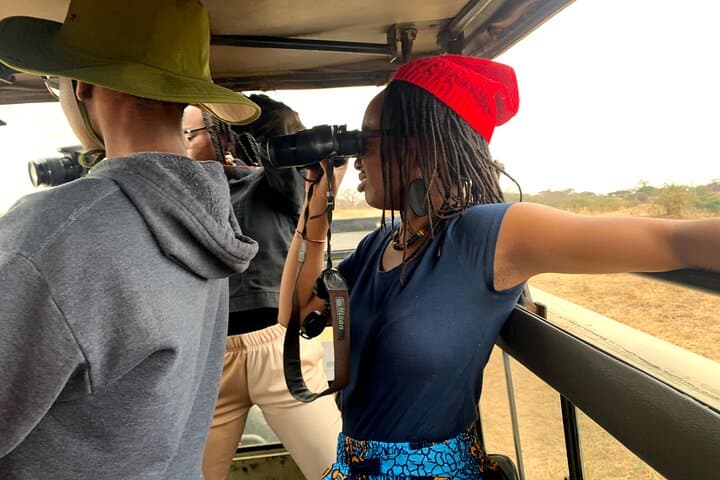
Practical guidance: drives use unpaved roads and can be bumpy—private transport is included. Game drives are most productive at first light and late afternoon; pack layers, sun protection, and binoculars. Respect park rules: stay in vehicles during game drives and follow guide instructions around wildlife. Bring reusable water bottles, a charged power bank, and small Tanzanian shillings for tips or park-side purchases.
The route rewards patience: up-close elephant encounters, crater-floor plains dotted with grazing antelope, and the bird-rich fringes of Lake Manyara. It’s a compact safari designed to show the ecosystem variety of northern Tanzania in an immersive, practical way.
moderate.
3 days.
Moderate fitness: able to handle long vehicle days, short walks around camps, and variable temperatures.
No—camps are set up by the operator and staff handle cooking and tents; basic comfort is provided though facilities are simpler than lodges.
Inclusions vary—confirm with the operator whether park entrance fees are included.
Consult a travel clinic before departure; malaria prophylaxis is commonly advised and routine vaccinations should be up to date.
Expect extended vehicle time between parks—drives can be several hours each day on unpaved roads, punctuated by guided game drives.
Ngorongoro formed when a large volcanic mountain collapsed roughly two million years ago; the conservation area also preserves long Maasai pastoral traditions.
The parks balance tourism with conservation through limits on permanent development and fees that support wildlife protection; visitors reduce impact by following guide instructions and avoiding single-use plastics.
1 Ra Adventure Tours and Safaris operates guided outdoor trips and adventures with an emphasis on safety, stewardship, and memorable experiences.

Dawn breaks over a dry riverbed as a herd of elephants moves like a slow tide across golden grass. The air is cool on the crater rim and heavy with birdsong at Lake Manyara; by night you sleep under a wide African sky with lanterns ticking softly outside your tent.
Dawn breaks over a dry riverbed as a herd of elephants moves like a slow tide across golden grass. The air is cool on the crater rim and heavy with birdsong at Lake Manyara; by night you sleep under a wide African sky with lanterns ticking softly outside your tent.
This three-day camping safari threads three very different landscapes. Tarangire is dominated by the lifeline river and its baobabs, where large elephant herds collect in the dry season. Ngorongoro is an immense collapsed volcano — a geological bowl formed more than two million years ago that traps grazing herds and their predators on a dramatic crater floor. Lake Manyara sits on the rift’s edge and supports wetlands, hot springs, and the odd habit of lions resting in trees.
Cultural notes: the region is Maasai country, with semi-nomadic bomas visible from main roads and traditional beadwork sold near park gates. Expect basic campsite comforts rather than lodge luxury; nights are quiet but can be chilly.
Practical guidance: drives use unpaved roads and can be bumpy—private transport is included. Game drives are most productive at first light and late afternoon; pack layers, sun protection, and binoculars. Respect park rules: stay in vehicles during game drives and follow guide instructions around wildlife. Bring reusable water bottles, a charged power bank, and small Tanzanian shillings for tips or park-side purchases.
The route rewards patience: up-close elephant encounters, crater-floor plains dotted with grazing antelope, and the bird-rich fringes of Lake Manyara. It’s a compact safari designed to show the ecosystem variety of northern Tanzania in an immersive, practical way.