THE ADVENTURE COLLECTIVE® · Independent discovery and booking for outdoor travel

Explore three contrasting cenotes near Tulum in one full-day tour: open-water Casa Cenote, the stalagmite cathedral of Taak Bi Ha, and the private caverns of Aktun Yax Kan. This small-group trip includes pickup, snorkeling gear, and lunch for an accessible yet adventurous look at the Yucatán’s underground rivers.
Explore three contrasting cenotes near Tulum in one full-day tour: open-water Casa Cenote, the stalagmite cathedral of Taak Bi Ha, and the private caverns of Aktun Yax Kan. This small-group trip includes pickup, snorkeling gear, and lunch for an accessible yet adventurous look at the Yucatán’s underground rivers.
You step off the minivan into a patchwork of mangroves and limestone karst; sunlight fractures through leaves and the air smells faintly of brackish water and earth. The first plunge is Casa Cenote — an open, palm-fringed sinkhole where light skims the surface and tidal currents nudge you gently past submerged tree roots.
Verified experiences and guided adventures in the surrounding area.
Operated by Mexico Kan Tours · Tulum, Quintana Roo
You step off the minivan into a patchwork of mangroves and limestone karst; sunlight fractures through leaves and the air smells faintly of brackish water and earth. The first plunge is Casa Cenote — an open, palm-fringed sinkhole where light skims the surface and tidal currents nudge you gently past submerged tree roots.
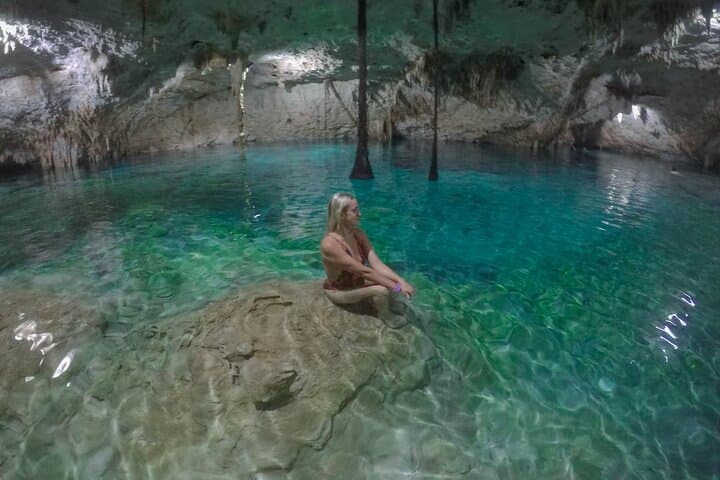
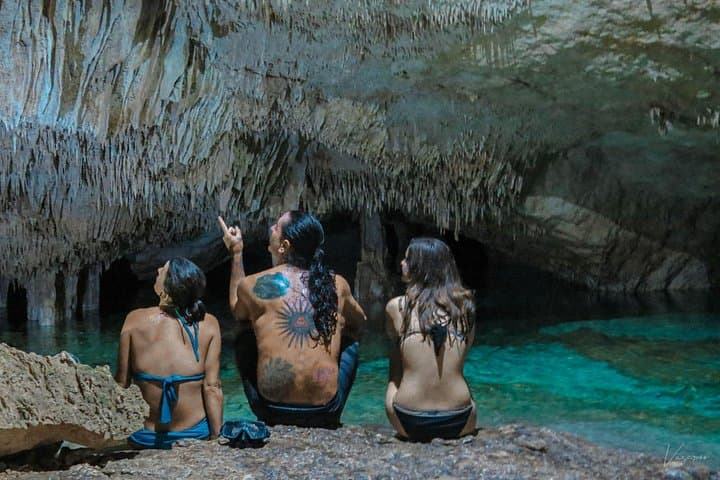
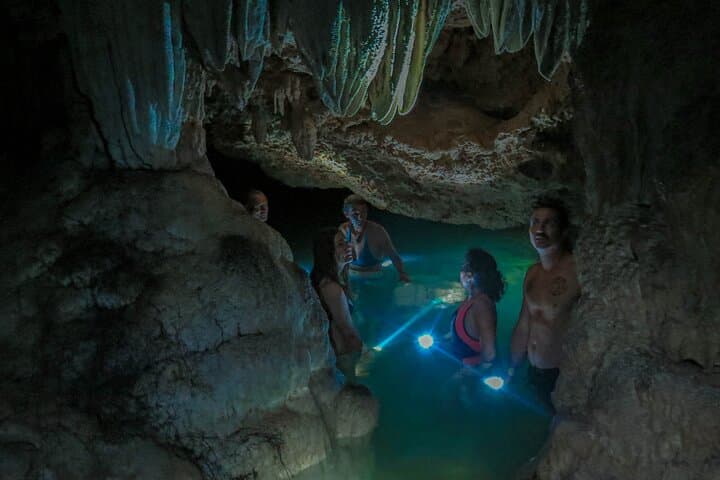
The route then threads inland to Taak Bi Ha, a cavernous chamber shaped by millennia of dripping water: stalagmites and columns rise like stone ribs, and the guide’s lamp etches texture into the walls. The finale is Aktun Yax Kan, an exclusive underground labyrinth where narrow passageways demand slow, deliberate exploration and the quiet presses in like a held breath.
Geology here is plain to see: collapsed limestone formed during the Pleistocene and rainwater carved the freshwater aquifer, creating conduits that connect to the Caribbean. Culturally, cenotes were sacred to the Maya as access points to the underworld; many contain archaeological traces and remain places of reverence.
Practically, the day runs about seven hours with hotel pickup in Tulum, snorkel gear and a picnic lunch provided. Expect shallow swims, short swims through darker tunnels, and uneven limestone steps; guides brief you on cave etiquette and buoyancy. Wear water shoes, reef-safe sunscreen and a light change of clothes. Hydrate before you go and avoid flash photography in caverns to preserve formations. The trip balances spectacle and accessibility: you’ll see open-water sunlight, cathedral silence and tight stone corridors in one efficient loop — an immersive primer on the Yucatán’s hidden freshwater world.
easy.
6–7 hours.
Suitable for most fitness levels; requires ability to swim short distances and manage stairs and rocky footing.
Yes—snorkels, masks and life vests are supplied; you can bring your own mask if you prefer a personalized fit.
Open cenotes are accessible with life vests, but some areas require short swims; non-swimmers can still enjoy viewpoints and guided sections with flotation.
The tour runs about seven hours and includes hotel pickup and drop-off within Tulum—check your confirmation for exact pickup time.
Do not touch stalagmites or flowstone—oils from skin halt mineral growth and guides enforce no-touch rules to protect formations.
Cenotes were vital water sources and sacred to the Maya; many local communities still regard them as culturally significant and sometimes conduct ceremonies nearby.
Stick to marked paths, use reef-safe products, and avoid disturbing sediments; small-group operations help limit impact on delicate cave environments.
Mexico Kan Tours operates guided outdoor trips and adventures with an emphasis on safety, stewardship, and memorable experiences.
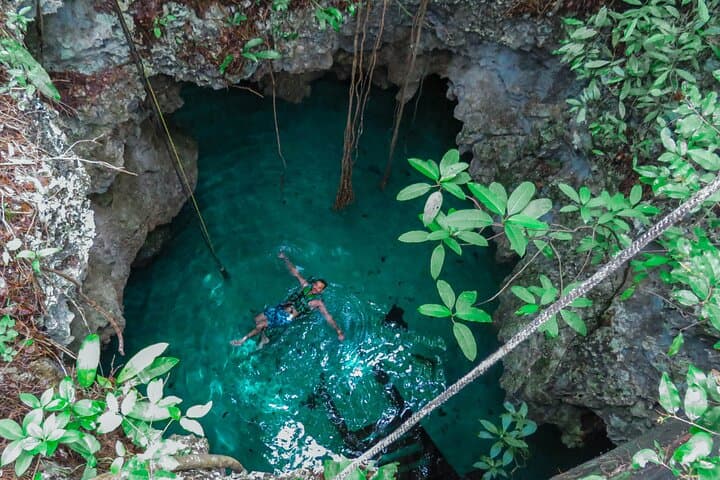
You step off the minivan into a patchwork of mangroves and limestone karst; sunlight fractures through leaves and the air smells faintly of brackish water and earth. The first plunge is Casa Cenote — an open, palm-fringed sinkhole where light skims the surface and tidal currents nudge you gently past submerged tree roots.
You step off the minivan into a patchwork of mangroves and limestone karst; sunlight fractures through leaves and the air smells faintly of brackish water and earth. The first plunge is Casa Cenote — an open, palm-fringed sinkhole where light skims the surface and tidal currents nudge you gently past submerged tree roots.
The route then threads inland to Taak Bi Ha, a cavernous chamber shaped by millennia of dripping water: stalagmites and columns rise like stone ribs, and the guide’s lamp etches texture into the walls. The finale is Aktun Yax Kan, an exclusive underground labyrinth where narrow passageways demand slow, deliberate exploration and the quiet presses in like a held breath.
Geology here is plain to see: collapsed limestone formed during the Pleistocene and rainwater carved the freshwater aquifer, creating conduits that connect to the Caribbean. Culturally, cenotes were sacred to the Maya as access points to the underworld; many contain archaeological traces and remain places of reverence.
Practically, the day runs about seven hours with hotel pickup in Tulum, snorkel gear and a picnic lunch provided. Expect shallow swims, short swims through darker tunnels, and uneven limestone steps; guides brief you on cave etiquette and buoyancy. Wear water shoes, reef-safe sunscreen and a light change of clothes. Hydrate before you go and avoid flash photography in caverns to preserve formations. The trip balances spectacle and accessibility: you’ll see open-water sunlight, cathedral silence and tight stone corridors in one efficient loop — an immersive primer on the Yucatán’s hidden freshwater world.