THE ADVENTURE COLLECTIVE® · Independent discovery and booking for outdoor travel

Summit Mount Kinabalu in a compact 2D1N package: an overnight at Laban Rata and an alpine‑dawn push to Low’s Peak (4,095 m). This guide covers what to expect on trail, cultural context, and practical logistics for the climb.
Summit Mount Kinabalu in a compact 2D1N package: an overnight at Laban Rata and an alpine‑dawn push to Low’s Peak (4,095 m). This guide covers what to expect on trail, cultural context, and practical logistics for the climb.
A headlamp beam cuts through pre-dawn fog as climbers file out of the Laban Rata resthouse; above them Low’s Peak holds its cold crown at 4,095.2 m. The route from Timpohon Gate climbs roughly 6 km to Laban Rata with steep switchbacks, rocky steps and short exposed sections that demand steady footing and an early start. On summit morning you push past the dark, the velocity of breath and boots matching the mountain’s slow insistence.
Verified experiences and guided adventures in the surrounding area.
Operated by Borneo Calling · Kota Kinabalu, Sabah
A headlamp beam cuts through pre-dawn fog as climbers file out of the Laban Rata resthouse; above them Low’s Peak holds its cold crown at 4,095.2 m. The route from Timpohon Gate climbs roughly 6 km to Laban Rata with steep switchbacks, rocky steps and short exposed sections that demand steady footing and an early start. On summit morning you push past the dark, the velocity of breath and boots matching the mountain’s slow insistence.
Mount Kinabalu is a UNESCO World Heritage site and a geological island of granite thrust high above Borneo’s lowlands. The massif supports unique alpine flora—rhododendrons, dwarf pines and highland orchids—and carries cultural weight for the Kadazan-Dusun people, who consider the summit sacred. British botanist Hugh Low’s 19th‑century surveys gave the summit its English name (Low’s Peak), and the park operates under strict permit and guiding rules to protect fragile ecosystems.
Practically: the standard 2D1N itinerary includes hotel pickup in Kota Kinabalu, registration at Kinabalu Park HQ, guide and permits, 1 night at Laban Rata (shared dorm), and scheduled shuttle returns. Expect about 1,800–2,000 m of elevation gain from sea level approaches, tropical mountain weather that can swing from sun to driving rain, and a summit window that requires passing Sayat‑Sayat before 5:30 a.m. Porter services are available for a fee and permits are checked against passports. Pack layered clothing, a warm hat, a reliable headlamp, and plan for slow, steady pacing—altitude, not technical rock, is the primary challenge.
challenging.
2 days.
Good aerobic fitness and strong legs for steep, prolonged ascents; comfortable with long days and disrupted sleep.
Yes — climbing permits are required and are handled through registration at Kinabalu Park HQ; passports are checked on arrival.
The route is non‑technical but steep with some exposed rocky steps; no technical climbing gear is required, but good footing and sure balance are important.
Yes — although the elevation is moderate, rapid ascent and early‑morning climb increase risk; stay hydrated, pace yourself, and inform guides of symptoms.
An overnight in a shared dormitory at Laban Rata resthouse is standard; meals are served at the resthouse with limited hours.
Kinabalu Park is a UNESCO World Heritage site; colonial surveys by Hugh Low in the 19th century popularized early western ascents and the summit’s English name, Low’s Peak.
The park limits climber numbers and requires guides and permits to reduce impact; stay on trails, pack out waste, and avoid collecting plants or wildlife.
Borneo Calling operates guided outdoor trips and adventures with an emphasis on safety, stewardship, and memorable experiences.
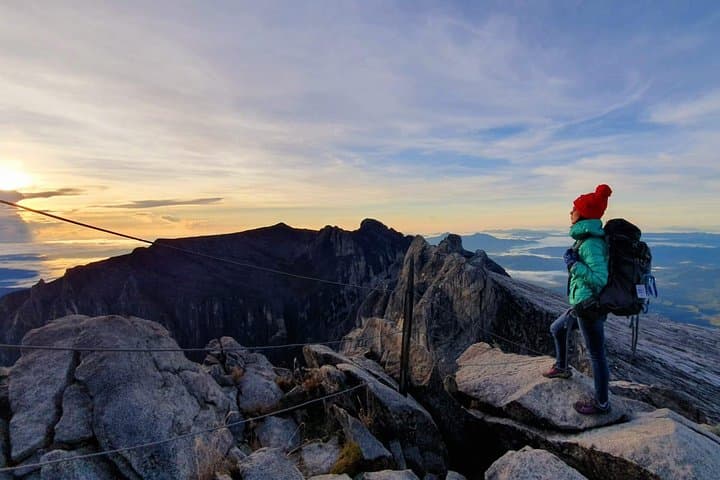
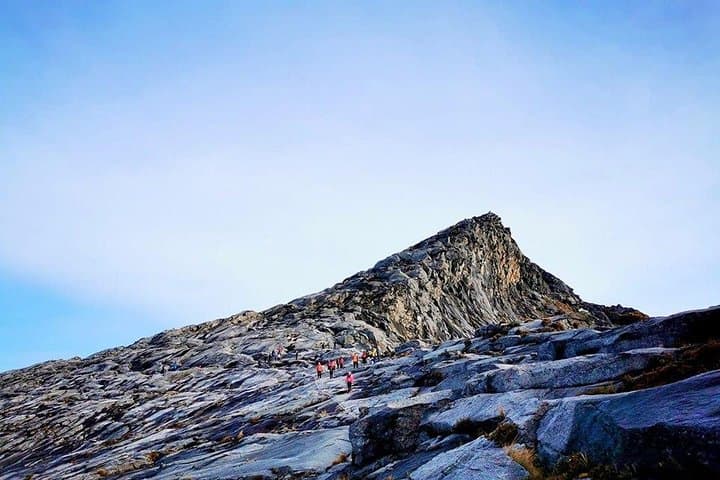
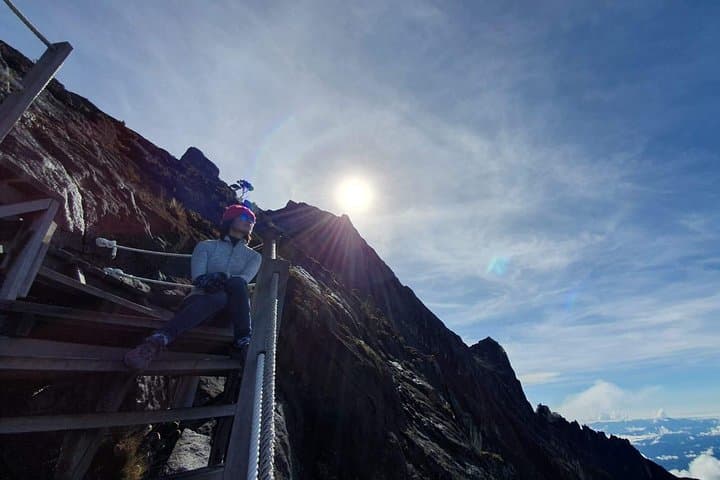
A headlamp beam cuts through pre-dawn fog as climbers file out of the Laban Rata resthouse; above them Low’s Peak holds its cold crown at 4,095.2 m. The route from Timpohon Gate climbs roughly 6 km to Laban Rata with steep switchbacks, rocky steps and short exposed sections that demand steady footing and an early start. On summit morning you push past the dark, the velocity of breath and boots matching the mountain’s slow insistence.
A headlamp beam cuts through pre-dawn fog as climbers file out of the Laban Rata resthouse; above them Low’s Peak holds its cold crown at 4,095.2 m. The route from Timpohon Gate climbs roughly 6 km to Laban Rata with steep switchbacks, rocky steps and short exposed sections that demand steady footing and an early start. On summit morning you push past the dark, the velocity of breath and boots matching the mountain’s slow insistence.
Mount Kinabalu is a UNESCO World Heritage site and a geological island of granite thrust high above Borneo’s lowlands. The massif supports unique alpine flora—rhododendrons, dwarf pines and highland orchids—and carries cultural weight for the Kadazan-Dusun people, who consider the summit sacred. British botanist Hugh Low’s 19th‑century surveys gave the summit its English name (Low’s Peak), and the park operates under strict permit and guiding rules to protect fragile ecosystems.
Practically: the standard 2D1N itinerary includes hotel pickup in Kota Kinabalu, registration at Kinabalu Park HQ, guide and permits, 1 night at Laban Rata (shared dorm), and scheduled shuttle returns. Expect about 1,800–2,000 m of elevation gain from sea level approaches, tropical mountain weather that can swing from sun to driving rain, and a summit window that requires passing Sayat‑Sayat before 5:30 a.m. Porter services are available for a fee and permits are checked against passports. Pack layered clothing, a warm hat, a reliable headlamp, and plan for slow, steady pacing—altitude, not technical rock, is the primary challenge.