THE ADVENTURE COLLECTIVE® · Independent discovery and booking for outdoor travel

Spend 24 hours learning winter camping basics in Davidson Forest, Quebec: heated prospector tents, wood-stove cooking, survival workshops and a guided hike from Fort-Coulonge. Ideal for beginners who want a low-stakes backcountry introduction with all gear and meals included.
Spend 24 hours learning winter camping basics in Davidson Forest, Quebec: heated prospector tents, wood-stove cooking, survival workshops and a guided hike from Fort-Coulonge. Ideal for beginners who want a low-stakes backcountry introduction with all gear and meals included.
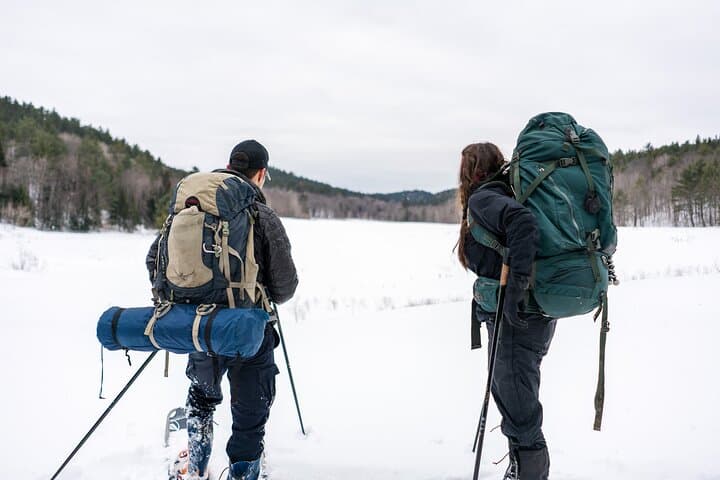
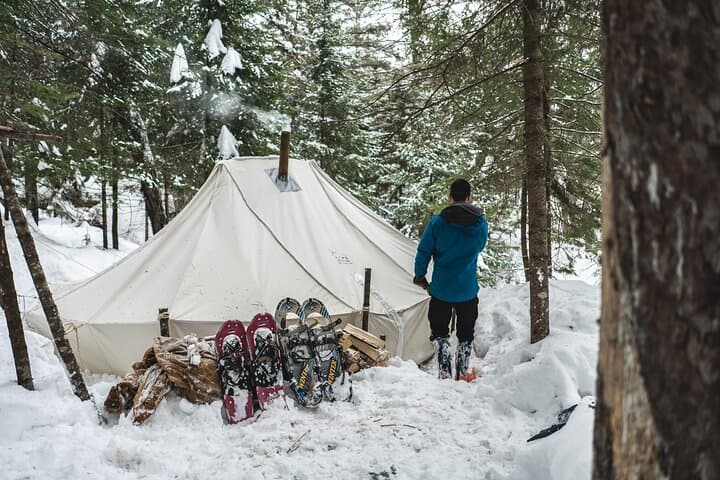
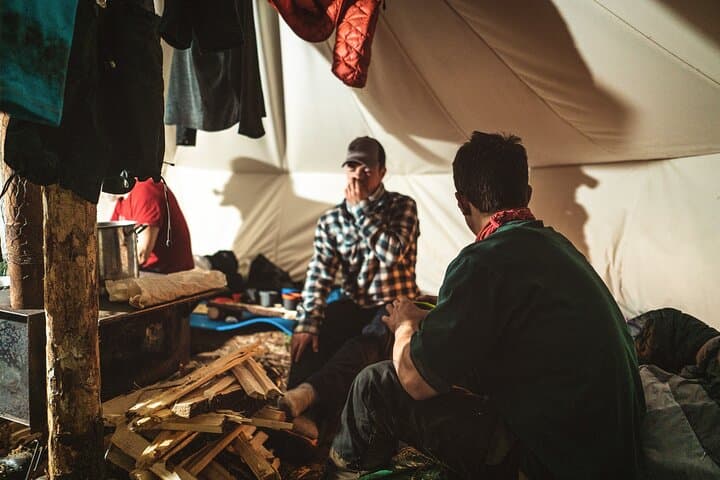
Snow hushes the forest as you step off the trail and into the warm glow of a prospector tent; the wood stove hisses, coffee steams, and Lake Canoe glares like a slate mirror beyond the treeline. In the Pontiac’s Davidson Forest the trees lean into the wind and the Canadian Shield underfoot occasionally shows through shallow snow, reminding you the land is older than the route you came in on.
Verified experiences and guided adventures in the surrounding area.
Operated by Aventure Outaouais · Fort-Coulonge, Quebec
Snow hushes the forest as you step off the trail and into the warm glow of a prospector tent; the wood stove hisses, coffee steams, and Lake Canoe glares like a slate mirror beyond the treeline. In the Pontiac’s Davidson Forest the trees lean into the wind and the Canadian Shield underfoot occasionally shows through shallow snow, reminding you the land is older than the route you came in on.
This pocket of western Quebec has roots in the fur-trade era around Fort-Coulonge and long-standing Algonquin presence; the terrain—glacially scoured bedrock, shallow soils and small kettle ponds—shapes the slow, intimate winter experience. Guides bring regional food traditions (bannock by the fire) and teach basic survival skills, so the night feels like a practiced, gently rigorous introduction to winter backcountry living.
Practically: pickups run from Ottawa and Gatineau, followed by a short drive, a café lunch in Fort-Coulonge, then a roughly 1.5 km hike to camp with gear provided. Tents are single-room prospector rigs with a wood stove for heat and cooking; guides handle stove operation and meals. Expect cold nights (below freezing), variable trail conditions and a moderate physical demand—this is meant for first-timers who can walk with a loaded daypack.
To make the most of it, prioritize warm layers, quality boots and hydration; plan for early sunsets and limited cell reception; and follow Leave No Trace and stove-safety guidance your guide provides. The trip is short but instructive: a compact, low-impact way to experience winter camping in Quebec with minimal guesswork and local expertise.
moderate.
24 hours (2 days, 1 night).
Moderate fitness: able to hike ~1.5 km with a daypack, tolerate cold overnight, and participate in light survival activities.
Transportation from Ottawa/Gatineau pickup points, all camping gear (tent, pad, sleeping bag liner), meals (lunch, dinner, breakfast and snacks), snowshoes or crampons and a certified guide are included.
Yes—beginners and families are welcome but all minors must be accompanied by an adult; guides tailor instruction to experience level.
All sales are final; the operator may cancel for bad weather or insufficient participants and will notify travelers per booking terms.
Travelers should have moderate fitness and no serious cardiovascular or spinal conditions; pregnant travelers are not recommended to join.
The Pontiac region around Fort-Coulonge grew out of 19th-century timber and fur trade routes; trails follow landscapes shaped by retreating glaciers and early settlement patterns.
The operator runs small-group trips to limit impact; guests are instructed in Leave No Trace and wood-stove use to reduce fire risk and preserve fragile winter soils.
Aventure Outaouais operates guided outdoor trips and adventures with an emphasis on safety, stewardship, and memorable experiences.

Snow hushes the forest as you step off the trail and into the warm glow of a prospector tent; the wood stove hisses, coffee steams, and Lake Canoe glares like a slate mirror beyond the treeline. In the Pontiac’s Davidson Forest the trees lean into the wind and the Canadian Shield underfoot occasionally shows through shallow snow, reminding you the land is older than the route you came in on.
Snow hushes the forest as you step off the trail and into the warm glow of a prospector tent; the wood stove hisses, coffee steams, and Lake Canoe glares like a slate mirror beyond the treeline. In the Pontiac’s Davidson Forest the trees lean into the wind and the Canadian Shield underfoot occasionally shows through shallow snow, reminding you the land is older than the route you came in on.
This pocket of western Quebec has roots in the fur-trade era around Fort-Coulonge and long-standing Algonquin presence; the terrain—glacially scoured bedrock, shallow soils and small kettle ponds—shapes the slow, intimate winter experience. Guides bring regional food traditions (bannock by the fire) and teach basic survival skills, so the night feels like a practiced, gently rigorous introduction to winter backcountry living.
Practically: pickups run from Ottawa and Gatineau, followed by a short drive, a café lunch in Fort-Coulonge, then a roughly 1.5 km hike to camp with gear provided. Tents are single-room prospector rigs with a wood stove for heat and cooking; guides handle stove operation and meals. Expect cold nights (below freezing), variable trail conditions and a moderate physical demand—this is meant for first-timers who can walk with a loaded daypack.
To make the most of it, prioritize warm layers, quality boots and hydration; plan for early sunsets and limited cell reception; and follow Leave No Trace and stove-safety guidance your guide provides. The trip is short but instructive: a compact, low-impact way to experience winter camping in Quebec with minimal guesswork and local expertise.