THE ADVENTURE COLLECTIVE® · Independent discovery and booking for outdoor travel

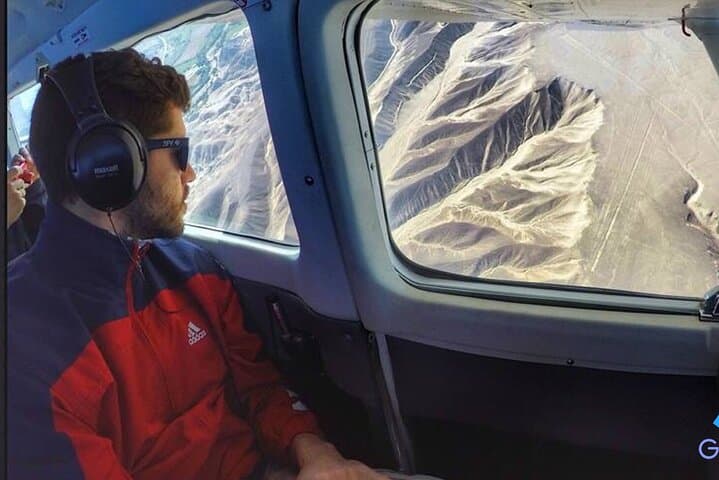
Cover the Nazca Lines in a single overnight adventure: depart Lima by luxury bus, arrive at sunrise, and take a short scenic flight to see the Hummingbird, Monkey, and Spider from the sky. Add a quick land tour of local viewpoints or archaeological sites before your return.
Cover the Nazca Lines in a single overnight adventure: depart Lima by luxury bus, arrive at sunrise, and take a short scenic flight to see the Hummingbird, Monkey, and Spider from the sky. Add a quick land tour of local viewpoints or archaeological sites before your return.
Night swallows the bus as it pulls out of Lima, city lights shrinking into the desert. Reclining seats and the hum of the highway shoulder you through the long coastal plain; by dawn the horizon is raw and ochre, and Nazca stretches like a folded map of ancient intent.
Verified experiences and guided adventures in the surrounding area.
Operated by GET2PERU.COM · Nazca, Ica
Night swallows the bus as it pulls out of Lima, city lights shrinking into the desert. Reclining seats and the hum of the highway shoulder you through the long coastal plain; by dawn the horizon is raw and ochre, and Nazca stretches like a folded map of ancient intent.
The Nazca Lines were etched by the Nazca culture between roughly 200 BCE and 600 CE. These enormous geoglyphs—hummingbird, condor, monkey, spider—were carved by moving dark stones to reveal paler ground beneath. Geologically, the arid Pampa de San José preserves these figures in wind-swept stability; sparse rainfall and compacted desert crust mean the lines remain visible for millennia.
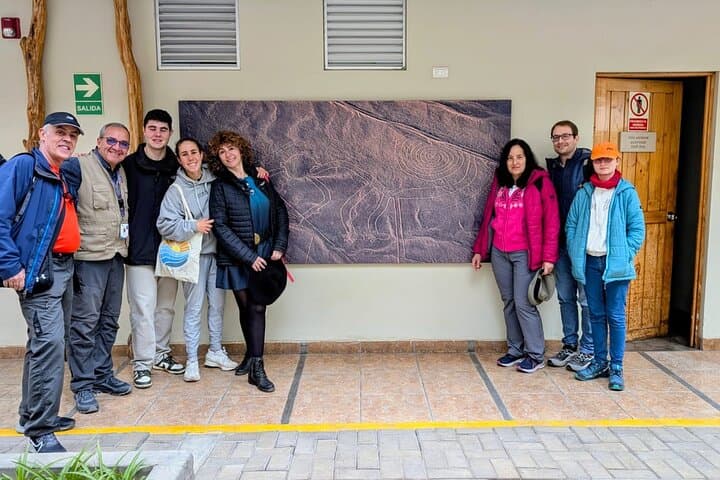
Locals in Nazca balance tourism with ongoing archaeological study. Small museums and cantinas around the plaza offer context: pottery shards, irrigation feats like the Cantalloc aqueducts, and the nearby Chauchilla cemetery where tombs and mummies tell a quieter story.
Practically, this is a time-efficient way to see the lines: overnight bus from Lima, morning waiting room in Nazca, then a 25–30 minute small-aircraft circuit. Expect close seating, a required weight check, and additional airport fees to pay in cash. Bring ID (original passport), light layers for early-morning chill, and motion-sickness prevention if you’re sensitive to small-aircraft turns.
Plan for limited luggage on the plane and a short window to add a land visit to miradores or local ruins before departure. The rhythm of this trip is straightforward—travel by night, fly at first light, and return refreshed by a compact, high-impact cultural and aerial experience.
easy.
24 hours (overnight bus, morning flight).
Minimal fitness required; able-bodied travelers and those comfortable boarding small aircraft should be fine
The scenic flight circuit lasts about 25–30 minutes and covers the most famous geoglyphs with a narrated map provided by your guide.
Yes—airport and entrance fees must be paid on-site (partially in cash). The tour notes approximately 77 soles total, with 30 soles payable in cash.
Infants and small children may travel; strollers are accessible at facilities, but weight and safety regulations on small aircraft apply—check airline limits beforehand.
The service uses reclining seats up to 160°, onboard restrooms, air conditioning, and charging ports—designed for comfort on the approximately 7-hour overnight transfer.
The Nazca culture created the geoglyphs between about 200 BCE and 600 CE; the figures likely had ritual or astronomical significance tied to water and agriculture.
The fragile desert crust preserves the lines but is vulnerable to vehicle tracks and erosion; follow designated viewing areas and avoid stepping on glyphs to minimize impact.
GET2PERU.COM operates guided outdoor trips and adventures with an emphasis on safety, stewardship, and memorable experiences.


Night swallows the bus as it pulls out of Lima, city lights shrinking into the desert. Reclining seats and the hum of the highway shoulder you through the long coastal plain; by dawn the horizon is raw and ochre, and Nazca stretches like a folded map of ancient intent.
Night swallows the bus as it pulls out of Lima, city lights shrinking into the desert. Reclining seats and the hum of the highway shoulder you through the long coastal plain; by dawn the horizon is raw and ochre, and Nazca stretches like a folded map of ancient intent.
The Nazca Lines were etched by the Nazca culture between roughly 200 BCE and 600 CE. These enormous geoglyphs—hummingbird, condor, monkey, spider—were carved by moving dark stones to reveal paler ground beneath. Geologically, the arid Pampa de San José preserves these figures in wind-swept stability; sparse rainfall and compacted desert crust mean the lines remain visible for millennia.
Locals in Nazca balance tourism with ongoing archaeological study. Small museums and cantinas around the plaza offer context: pottery shards, irrigation feats like the Cantalloc aqueducts, and the nearby Chauchilla cemetery where tombs and mummies tell a quieter story.
Practically, this is a time-efficient way to see the lines: overnight bus from Lima, morning waiting room in Nazca, then a 25–30 minute small-aircraft circuit. Expect close seating, a required weight check, and additional airport fees to pay in cash. Bring ID (original passport), light layers for early-morning chill, and motion-sickness prevention if you’re sensitive to small-aircraft turns.
Plan for limited luggage on the plane and a short window to add a land visit to miradores or local ruins before departure. The rhythm of this trip is straightforward—travel by night, fly at first light, and return refreshed by a compact, high-impact cultural and aerial experience.