THE ADVENTURE COLLECTIVE® · Independent discovery and booking for outdoor travel

Take the controls over Lake Wanaka on a 20-minute introductory flight. This hands-on experience pairs in-flight instruction with sweeping views of the Southern Alps and Mount Aspiring, ideal for first-time flyers who want a compact, scenic lesson.
Take the controls over Lake Wanaka on a 20-minute introductory flight. This hands-on experience pairs in-flight instruction with sweeping views of the Southern Alps and Mount Aspiring, ideal for first-time flyers who want a compact, scenic lesson.
You taxi into a compact cockpit, the lake below a sheet of glass and the Southern Alps rising like a row of tomahawks on the horizon. In twenty minutes you move from passenger to pilot-under-supervision, hands on the yoke while an instructor monitors every control. The plane hums, air presses against the windows, and Wanaka’s pale shoreline, braided rivers and jagged peaks slide past as if arranged for a lesson.
Verified experiences and guided adventures in the surrounding area.
Operated by U-Fly Wanaka · Wanaka, Otago
You taxi into a compact cockpit, the lake below a sheet of glass and the Southern Alps rising like a row of tomahawks on the horizon. In twenty minutes you move from passenger to pilot-under-supervision, hands on the yoke while an instructor monitors every control. The plane hums, air presses against the windows, and Wanaka’s pale shoreline, braided rivers and jagged peaks slide past as if arranged for a lesson.
Geology here is blunt: glaciers carved deep basins, leaving turquoise lakes and U-shaped valleys. Mount Aspiring National Park, visible on clear days, records millions of years of tectonic uplift and ice. The area’s human history runs from Māori seasonal hunting and food-gathering routes to 19th-century gold rushes and contemporary alpine recreation. Local culture is pragmatic and outdoors-first — pilots, guide operators and mechanics expect weather to govern plans.
Practically, this is a short, hands-on introductory flight in a dual-control light aircraft. Expect a pre-flight briefing, weight checks, and a calm instructor guiding takeoffs, gentle climbs, turns and landings. Flights are weather-dependent; cancellations happen if winds or cloud obscure key visual references. Up to two observers can ride, subject to aircraft load limits.
Bring sun protection, a light wind layer, and a camera with steady hands. If you suffer severe motion sickness or certain heart conditions, consult your doctor — operators typically advise against participation. Schedule early-morning or late-afternoon slots for the most stable air and best light. For many visitors, this short lesson is less about certification and more about a vivid, controlled moment where you get to feel what flight demands and offers over one of New Zealand’s most striking landscapes.
easy.
45–60 minutes (20-minute flight plus briefing).
No special fitness required; must be able to climb into a small aircraft and sit upright for a short period. Not recommended for those with serious cardiovascular issues.
Yes — this is an introductory flight lesson in a dual-control aircraft; you’ll handle the controls under an instructor’s supervision during parts of the flight.
Up to two observers can ride, but operators enforce weight limits and total load restrictions that may affect group size.
Flights are weather-dependent and may be cancelled for safety; operators typically offer rescheduling when possible but policies vary, so check confirmation details before booking.
There are no strict fitness requirements, but the operator advises against participation for those with serious heart conditions or other medical issues; disclose health concerns when booking.
Lake Wanaka sits in a glacial valley long used by Māori for seasonal travel and resource gathering; European gold rush activity in the 1860s brought more permanent settlement and aviation interest followed as tourism grew.
Pilots and operators follow local environmental guidelines to minimize noise and disturbance; visitors should avoid feeding wildlife and stick to marked access points to protect shorelines.
U-Fly Wanaka operates guided outdoor trips and adventures with an emphasis on safety, stewardship, and memorable experiences.
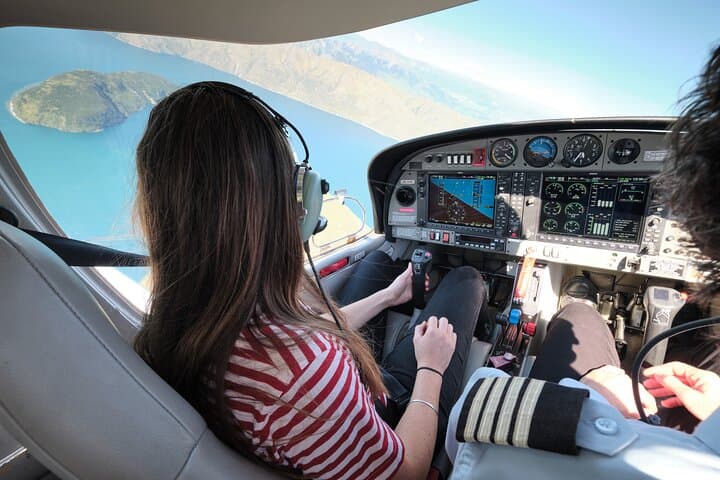
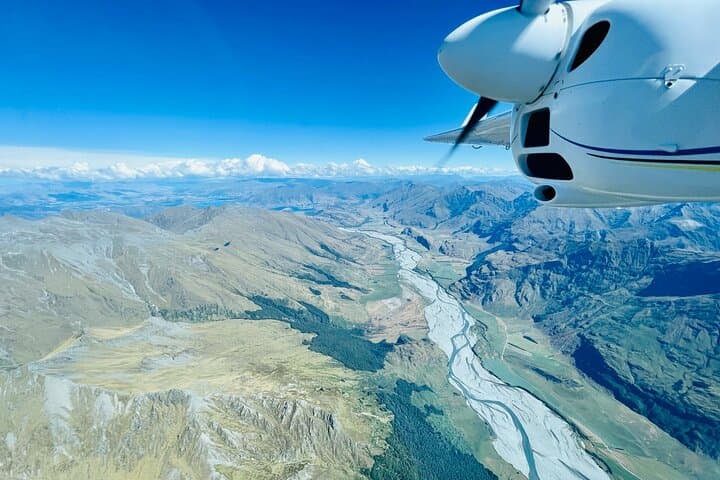
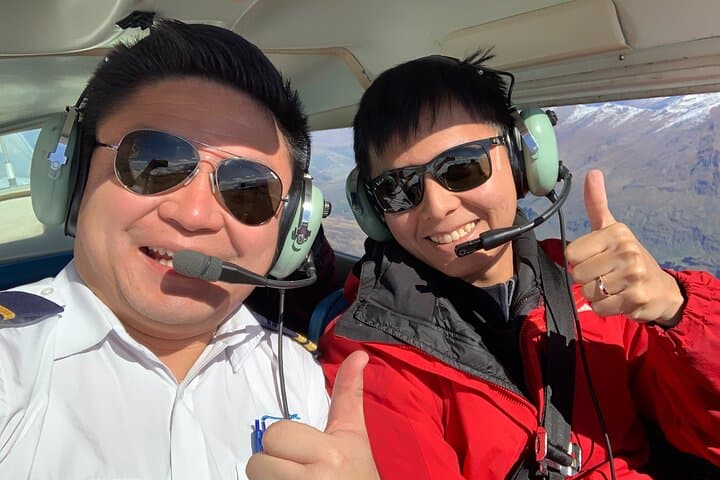
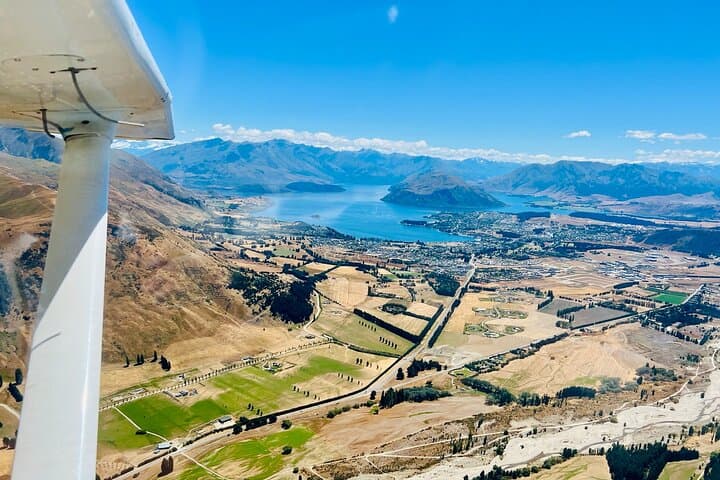
You taxi into a compact cockpit, the lake below a sheet of glass and the Southern Alps rising like a row of tomahawks on the horizon. In twenty minutes you move from passenger to pilot-under-supervision, hands on the yoke while an instructor monitors every control. The plane hums, air presses against the windows, and Wanaka’s pale shoreline, braided rivers and jagged peaks slide past as if arranged for a lesson.
You taxi into a compact cockpit, the lake below a sheet of glass and the Southern Alps rising like a row of tomahawks on the horizon. In twenty minutes you move from passenger to pilot-under-supervision, hands on the yoke while an instructor monitors every control. The plane hums, air presses against the windows, and Wanaka’s pale shoreline, braided rivers and jagged peaks slide past as if arranged for a lesson.
Geology here is blunt: glaciers carved deep basins, leaving turquoise lakes and U-shaped valleys. Mount Aspiring National Park, visible on clear days, records millions of years of tectonic uplift and ice. The area’s human history runs from Māori seasonal hunting and food-gathering routes to 19th-century gold rushes and contemporary alpine recreation. Local culture is pragmatic and outdoors-first — pilots, guide operators and mechanics expect weather to govern plans.
Practically, this is a short, hands-on introductory flight in a dual-control light aircraft. Expect a pre-flight briefing, weight checks, and a calm instructor guiding takeoffs, gentle climbs, turns and landings. Flights are weather-dependent; cancellations happen if winds or cloud obscure key visual references. Up to two observers can ride, subject to aircraft load limits.
Bring sun protection, a light wind layer, and a camera with steady hands. If you suffer severe motion sickness or certain heart conditions, consult your doctor — operators typically advise against participation. Schedule early-morning or late-afternoon slots for the most stable air and best light. For many visitors, this short lesson is less about certification and more about a vivid, controlled moment where you get to feel what flight demands and offers over one of New Zealand’s most striking landscapes.