THE ADVENTURE COLLECTIVE® · Independent discovery and booking for outdoor travel

Traverse Nepal's epic 20-day Annapurna Circuit: from subtropical foothills to the wind-swept Thorong La pass. This guide covers what you'll see, how the trail changes, and practical steps to prepare for altitude, teahouse nights, and long days of trekking.
Traverse Nepal's epic 20-day Annapurna Circuit: from subtropical foothills to the wind-swept Thorong La pass. This guide covers what you'll see, how the trail changes, and practical steps to prepare for altitude, teahouse nights, and long days of trekking.
Morning light strips across terrace walls as you step off the jeep at Syange and the Annapurna Circuit opens its long, changing face—lush subtropical valleys, tight river gorges, then wind-scoured high plateaus where prayer flags stitch the sky.
Verified experiences and guided adventures in the surrounding area.
Operated by The Great Adventure Treks & Expedition - Private Day Tours · Pokhara, Gandaki Province
Morning light strips across terrace walls as you step off the jeep at Syange and the Annapurna Circuit opens its long, changing face—lush subtropical valleys, tight river gorges, then wind-scoured high plateaus where prayer flags stitch the sky.
The route follows ancient trade and pilgrimage corridors that linked Nepal to Tibetan plateaus; glacial moraine and layered sedimentary rock reveal the tectonic lift that built the Annapurna massif. Villages along the way—Bagarchhap, Manang, Marpha—display Tibetan-influenced architecture and Thakali hospitality: stone houses, butter tea, and communal lodges. At Thorong La (≈5,416 m) the wind becomes a deliberate actor, demanding respect as it sculpts the pass and rewards you with sweeping views of Dhaulagiri and Annapurna I.
Practically, expect 20 days of mixed terrain—stone steps, narrow ridgelines, river valleys—and daily walking from 4–8 hours. Tea houses provide basic meals and lodgings; porters are commonly used to ease the load (2:1 guest-to-porter ratio typical). Acclimatize with scheduled rest days in Manang and a conservative ascent profile to lower altitude-sickness risk. Bring layered clothing, a warm sleeping bag rated to at least -10°C for high camps, and footwear with good ankle support for rocky, often wet trails.
Plan travel in the shoulder seasons for stable weather and clearer views; allow flexibility for weather or acclimatization delays. Hydrate, monitor pace, and treat local etiquette—removing hats in shrines, asking before photographing people—with the same care you give trail safety.
challenging.
20 days.
Good aerobic fitness with experience on multi-day hikes and comfortable carrying/moderate effort for up to 6–8 hours daily
Yes—ACAP (Annapurna Conservation Area Project) permit and a TIMS card are required and are usually handled by your operator.
Thorong La is a high-altitude pass that requires a steady uphill effort and careful acclimatization; weather and wind can make it feel much harder than distance suggests.
Tea houses are basic but functional—shared rooms, simple hot meals, and limited charging; standards vary by village and altitude.
Fall (Sept–Nov) and spring (Mar–May) offer the most stable weather and best visibility; each season has trade-offs in crowds and wildflower displays.
The circuit follows historic trade and pilgrimage routes that connected Nepal and Tibet; many villages retain Thakali and Tibetan cultural influences and monasteries.
The Annapurna Conservation Area Project (ACAP) manages permits and promotes sustainable tourism; visitors should pack out waste, minimize single-use plastics, and respect local water resources.
The Great Adventure Treks & Expedition - Private Day Tours operates guided outdoor trips and adventures with an emphasis on safety, stewardship, and memorable experiences.
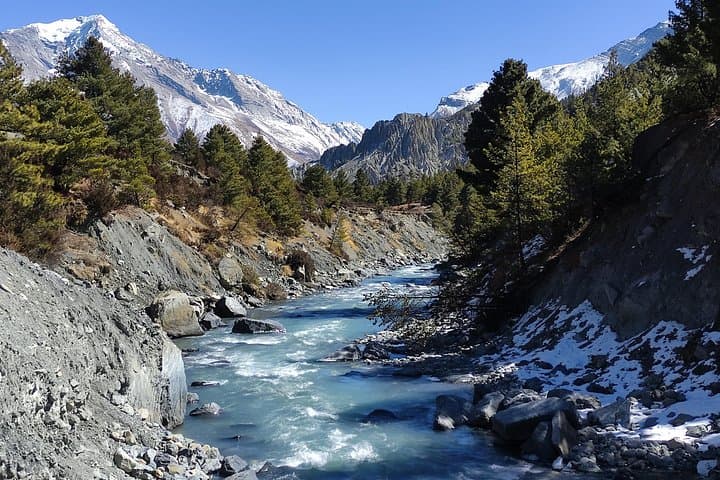
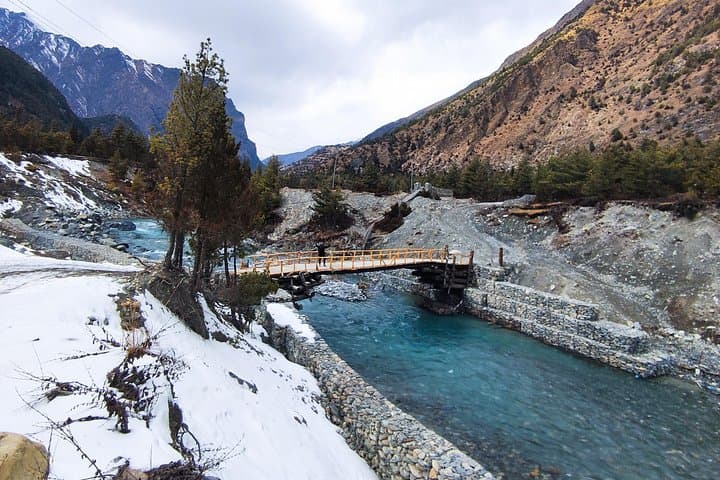
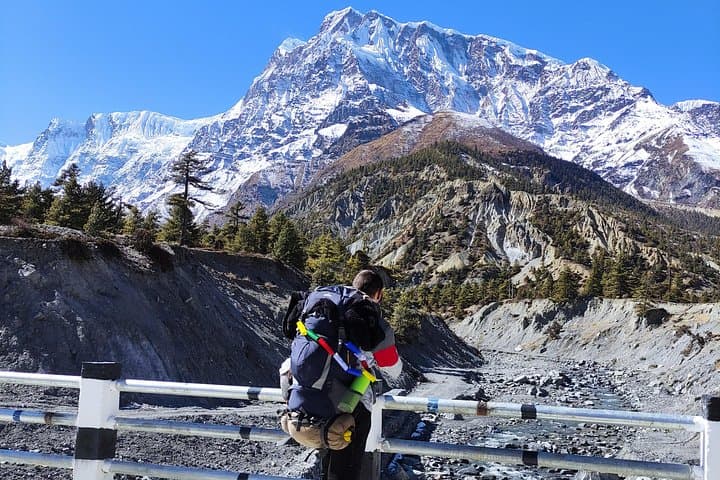
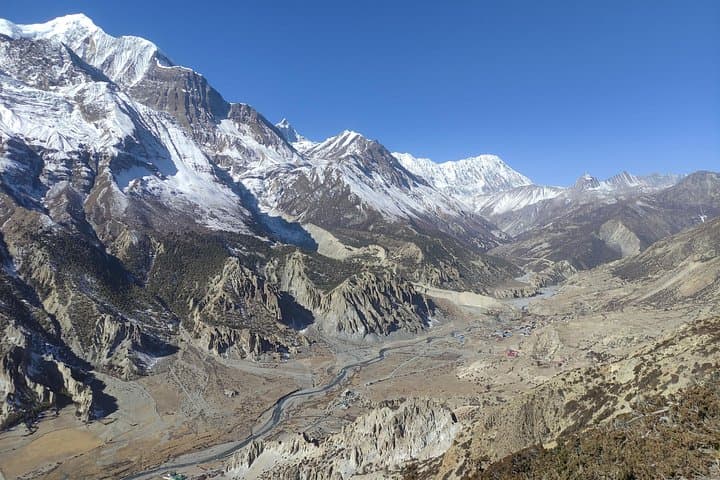
Morning light strips across terrace walls as you step off the jeep at Syange and the Annapurna Circuit opens its long, changing face—lush subtropical valleys, tight river gorges, then wind-scoured high plateaus where prayer flags stitch the sky.
Morning light strips across terrace walls as you step off the jeep at Syange and the Annapurna Circuit opens its long, changing face—lush subtropical valleys, tight river gorges, then wind-scoured high plateaus where prayer flags stitch the sky.
The route follows ancient trade and pilgrimage corridors that linked Nepal to Tibetan plateaus; glacial moraine and layered sedimentary rock reveal the tectonic lift that built the Annapurna massif. Villages along the way—Bagarchhap, Manang, Marpha—display Tibetan-influenced architecture and Thakali hospitality: stone houses, butter tea, and communal lodges. At Thorong La (≈5,416 m) the wind becomes a deliberate actor, demanding respect as it sculpts the pass and rewards you with sweeping views of Dhaulagiri and Annapurna I.
Practically, expect 20 days of mixed terrain—stone steps, narrow ridgelines, river valleys—and daily walking from 4–8 hours. Tea houses provide basic meals and lodgings; porters are commonly used to ease the load (2:1 guest-to-porter ratio typical). Acclimatize with scheduled rest days in Manang and a conservative ascent profile to lower altitude-sickness risk. Bring layered clothing, a warm sleeping bag rated to at least -10°C for high camps, and footwear with good ankle support for rocky, often wet trails.
Plan travel in the shoulder seasons for stable weather and clearer views; allow flexibility for weather or acclimatization delays. Hydrate, monitor pace, and treat local etiquette—removing hats in shrines, asking before photographing people—with the same care you give trail safety.