THE ADVENTURE COLLECTIVE® · Independent discovery and booking for outdoor travel

Sail into Matusadona National Park for a rare two-night chase of elephants and hippos from a stable catamaran. Expect shoreline game viewing, beach dinners, optional ranger walks and nights beneath an expansive African sky.
Sail into Matusadona National Park for a rare two-night chase of elephants and hippos from a stable catamaran. Expect shoreline game viewing, beach dinners, optional ranger walks and nights beneath an expansive African sky.
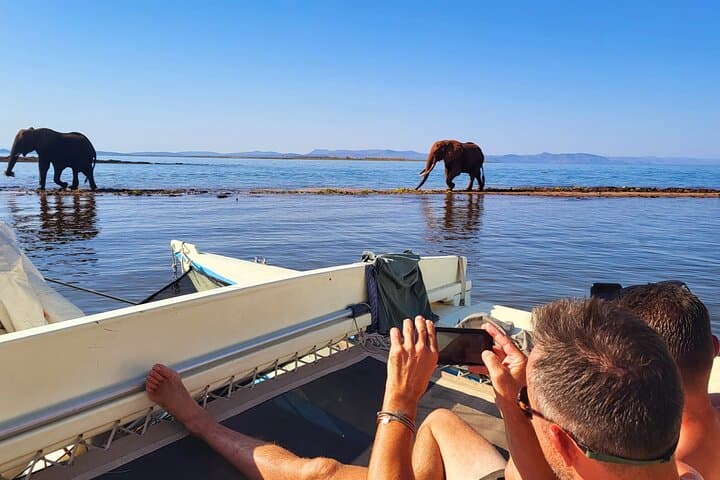
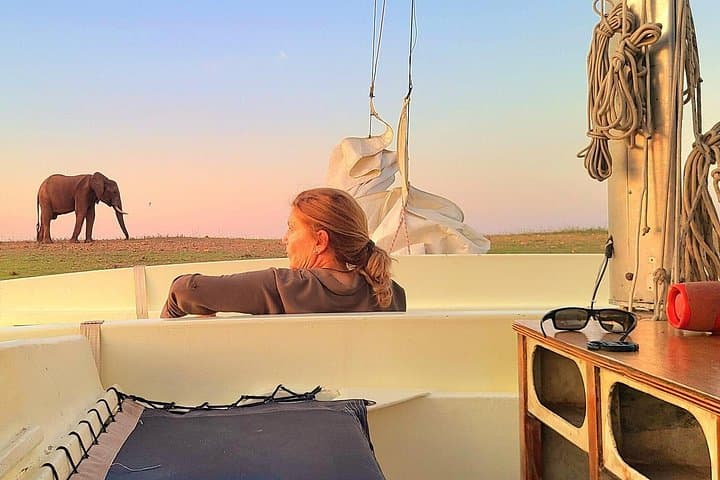
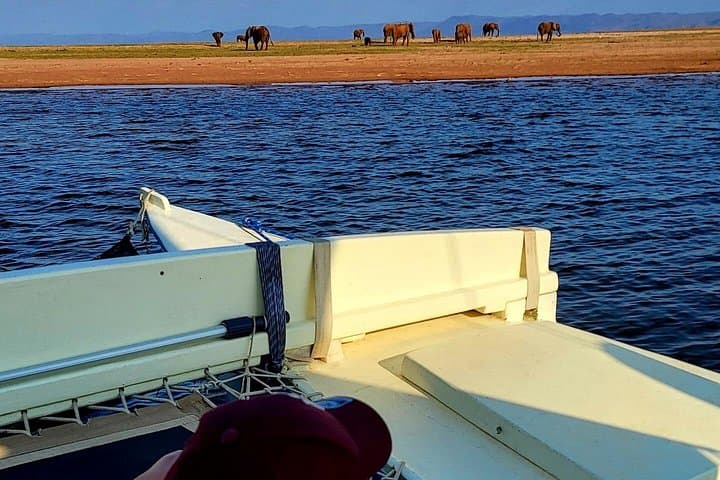
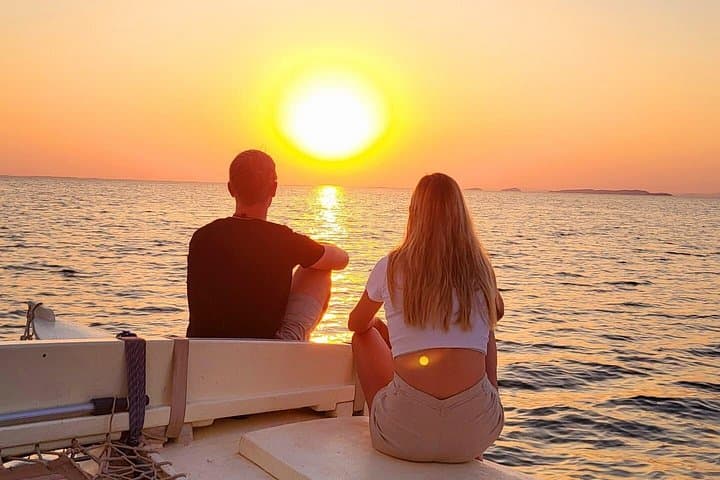
The catamaran slips away from Hall's Beach as late-afternoon light flattens across Lake Kariba; the water breathes and the shoreline answers with the distant rumble of grazing elephants. On a two-night safari sail, the lake becomes the slow highway through Matusadona's wild edge—hippos bob like dark islands, crocodiles slide into reed beds, and buffalo silhouette against grassy banks.
Verified experiences and guided adventures in the surrounding area.
Operated by Manapools.com · Kariba, Mashonaland West
The catamaran slips away from Hall's Beach as late-afternoon light flattens across Lake Kariba; the water breathes and the shoreline answers with the distant rumble of grazing elephants. On a two-night safari sail, the lake becomes the slow highway through Matusadona's wild edge—hippos bob like dark islands, crocodiles slide into reed beds, and buffalo silhouette against grassy banks.
Kariba itself is a man-made landscape: the damming of the Zambezi in the 1950s raised plains into a vast reservoir and rewrote migration routes, creating the lake and the shoreline habitats that draw megafauna today. The geology here is a contrast of water-abraded terraces and rocky islands, while cultural ties to fishing communities and heritage sites dot the coast—local skippers often share practical folklore about hidden coves and seasonal currents.
Practically, the trip is an intimate safari from the water. Expect quiet anchoring on sandy islands, optional guided walks with rangers, fully catered meals aboard, and the choice to sleep on deck under open sky or below in simple berths. Nights can be surprisingly cool; days are warm and wind-driven. Wildlife viewing is at the mercy of currents and light—dawn and dusk concentrate animals on the banks.
Bring sun protection, steady footwear for wet landings, and waterproof bags for cameras. Respect park regulations, keep distance from hippos on shore, and plan alcohol and medical needs in advance—this is remote wilderness with basic onboard comforts.
moderate.
2 days (48 hours).
Moderate fitness: able to manage short wet landings, climb aboard, and walk on uneven sandy or rocky beaches.
Closest approach depends on animal behavior and park rules; the boat can often get near enough for excellent photos but guides maintain safe distances and avoid disturbing animals.
Meals, soft drinks and water are included in the trip; guests are usually asked to bring their own alcoholic beverages if desired.
Not recommended for pregnant travelers and visitors with serious back or heart issues; children can join if supervised—check operator age rules before booking.
No sailing experience is required; a skipper and first mate handle navigation and anchoring—guests should be comfortable boarding via small dinghies or wet landings.
Lake Kariba was formed when the Zambezi was dammed in the 1950s, creating the reservoir that reshaped local habitats and livelihoods; Matusadona protected areas developed around these new shoreline ecosystems.
Matusadona and the lake are managed under Zimbabwean park rules—operators collect park usage fees and visitors should minimize waste, avoid feeding wildlife and follow ranger guidance to reduce human-wildlife conflict.
Manapools.com operates guided outdoor trips and adventures with an emphasis on safety, stewardship, and memorable experiences.
The catamaran slips away from Hall's Beach as late-afternoon light flattens across Lake Kariba; the water breathes and the shoreline answers with the distant rumble of grazing elephants. On a two-night safari sail, the lake becomes the slow highway through Matusadona's wild edge—hippos bob like dark islands, crocodiles slide into reed beds, and buffalo silhouette against grassy banks.
The catamaran slips away from Hall's Beach as late-afternoon light flattens across Lake Kariba; the water breathes and the shoreline answers with the distant rumble of grazing elephants. On a two-night safari sail, the lake becomes the slow highway through Matusadona's wild edge—hippos bob like dark islands, crocodiles slide into reed beds, and buffalo silhouette against grassy banks.
Kariba itself is a man-made landscape: the damming of the Zambezi in the 1950s raised plains into a vast reservoir and rewrote migration routes, creating the lake and the shoreline habitats that draw megafauna today. The geology here is a contrast of water-abraded terraces and rocky islands, while cultural ties to fishing communities and heritage sites dot the coast—local skippers often share practical folklore about hidden coves and seasonal currents.
Practically, the trip is an intimate safari from the water. Expect quiet anchoring on sandy islands, optional guided walks with rangers, fully catered meals aboard, and the choice to sleep on deck under open sky or below in simple berths. Nights can be surprisingly cool; days are warm and wind-driven. Wildlife viewing is at the mercy of currents and light—dawn and dusk concentrate animals on the banks.
Bring sun protection, steady footwear for wet landings, and waterproof bags for cameras. Respect park regulations, keep distance from hippos on shore, and plan alcohol and medical needs in advance—this is remote wilderness with basic onboard comforts.