THE ADVENTURE COLLECTIVE® · Independent discovery and booking for outdoor travel

A compact private cruise that pairs an early-morning pilgrimage to Abu Simbel with classic Nile temple stops — Kom Ombo, Edfu and an arrival in Luxor. Ideal for travelers who want three days of deep Egyptian history with 5-star comfort on the river.
A compact private cruise that pairs an early-morning pilgrimage to Abu Simbel with classic Nile temple stops — Kom Ombo, Edfu and an arrival in Luxor. Ideal for travelers who want three days of deep Egyptian history with 5-star comfort on the river.
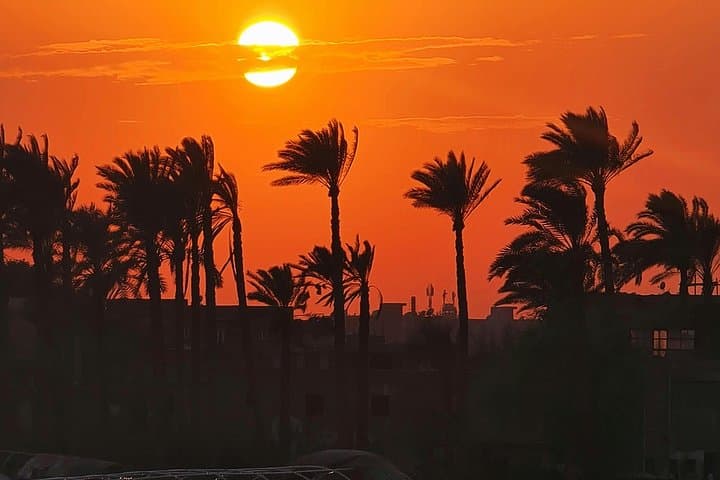
The sun lifts off the desert like a slow coin, and the Nile pushes the boat forward with a patient current. You step from the pier in Aswan before dawn, the river already alive with feluccas and fishermen’s nets, then drive south through flat ochre desert toward Abu Simbel—giant stone faces watching the road. Back on deck the cruise hums, palms flash by, and temples appear and disappear like chapters.
Verified experiences and guided adventures in the surrounding area.
Operated by Wonders Egypt · Aswan, Aswan Governorate
The sun lifts off the desert like a slow coin, and the Nile pushes the boat forward with a patient current. You step from the pier in Aswan before dawn, the river already alive with feluccas and fishermen’s nets, then drive south through flat ochre desert toward Abu Simbel—giant stone faces watching the road. Back on deck the cruise hums, palms flash by, and temples appear and disappear like chapters.
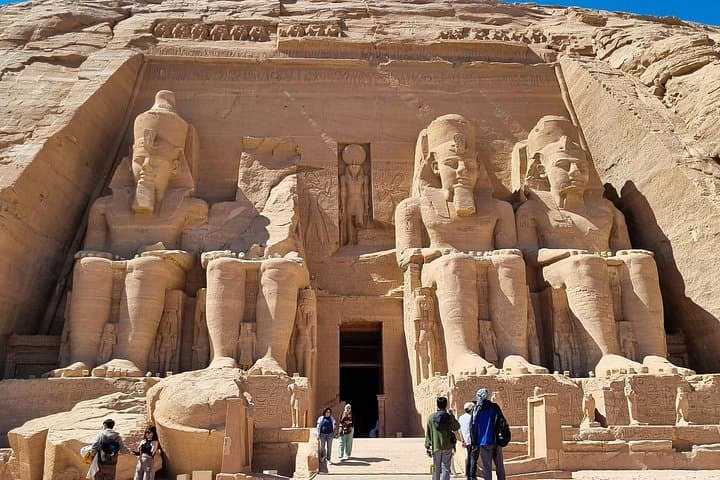
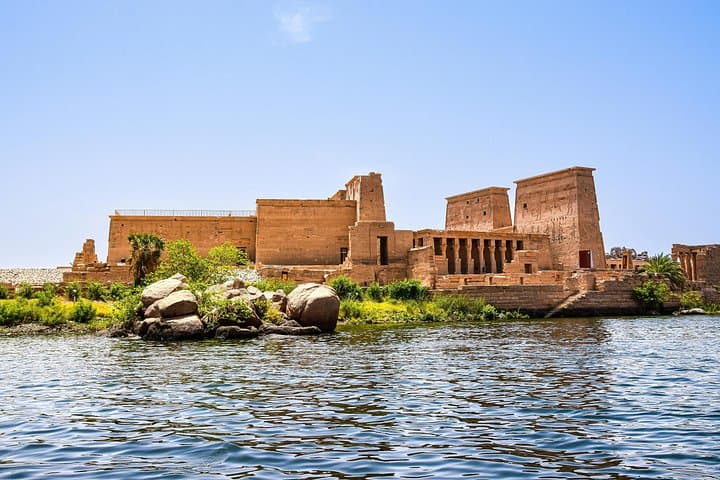
This short cruise stitches together Pharaonic power and living river culture: Abu Simbel’s colossal Ramses II facade carved into sandstone, Kom Ombo’s dual temples lit for sunset, Edfu’s sheltered halls honoring Horus, and the classic passage through Esna Lock. Geology is simple but dramatic—Nile floodplain giving way to wind-polished desert—and the culture is braided between riverine villages and millennia of sacred architecture. Luxor’s East and West Banks close the loop with the Valley of the Kings, Hatshepsut’s mortuary temple, the Colossi of Memnon, and Karnak’s forest of columns.
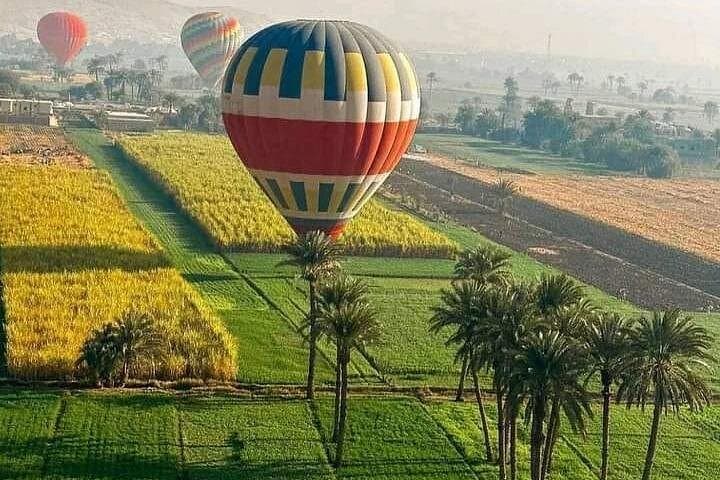
Practicalities are straightforward. The trip runs over two nights on board with full board meals; Abu Simbel is an early morning 3–4 hour drive from Aswan. Expect short walks, some stairs in temples, and horse-carriage access at Edfu. If you add the optional hot-air-balloon, book in advance for sunrise and allow extra early-morning logistics.
Bring sun protection, comfortable shoes for uneven stone, small cash for tips and crafts, and a light layer for cool mornings on deck. For best light and fewer crowds aim for shoulder seasons—early spring or late autumn—when the desert heat is tempered and the ruins hold their shadows.
easy.
2–3 days.
Suitable for most fitness levels; involves short walks, steps at temple sites, and minimal sustained exertion.
The cruise includes guided visits in the itinerary but entrance fees to major sites are often not included—confirm at booking and have local currency ready.
The road transfer is typically about 3–4 hours one way depending on traffic and stops; departures are very early to maximize time on site.
The operator indicates wheelchair-accessible options for transport and some surfaces, but access at certain temples involves stairs and uneven ground—contact the provider to discuss specific needs.
No—the sunrise hot-air-balloon over Luxor is optional and booked separately; it requires early morning pickup and advance reservation.
The route links New Kingdom power centers—Abu Simbel was relocated in the 1960s to save it from the High Aswan Dam—while Luxor was capital to ancient Thebes, housing royal tombs and grand temples.
Rising tourism and Nile water management impact fragile sites; choose operators who follow site regulations, avoid touching reliefs, and support local conservation or community projects.
Wonders Egypt operates guided outdoor trips and adventures with an emphasis on safety, stewardship, and memorable experiences.
The sun lifts off the desert like a slow coin, and the Nile pushes the boat forward with a patient current. You step from the pier in Aswan before dawn, the river already alive with feluccas and fishermen’s nets, then drive south through flat ochre desert toward Abu Simbel—giant stone faces watching the road. Back on deck the cruise hums, palms flash by, and temples appear and disappear like chapters.
The sun lifts off the desert like a slow coin, and the Nile pushes the boat forward with a patient current. You step from the pier in Aswan before dawn, the river already alive with feluccas and fishermen’s nets, then drive south through flat ochre desert toward Abu Simbel—giant stone faces watching the road. Back on deck the cruise hums, palms flash by, and temples appear and disappear like chapters.
This short cruise stitches together Pharaonic power and living river culture: Abu Simbel’s colossal Ramses II facade carved into sandstone, Kom Ombo’s dual temples lit for sunset, Edfu’s sheltered halls honoring Horus, and the classic passage through Esna Lock. Geology is simple but dramatic—Nile floodplain giving way to wind-polished desert—and the culture is braided between riverine villages and millennia of sacred architecture. Luxor’s East and West Banks close the loop with the Valley of the Kings, Hatshepsut’s mortuary temple, the Colossi of Memnon, and Karnak’s forest of columns.
Practicalities are straightforward. The trip runs over two nights on board with full board meals; Abu Simbel is an early morning 3–4 hour drive from Aswan. Expect short walks, some stairs in temples, and horse-carriage access at Edfu. If you add the optional hot-air-balloon, book in advance for sunrise and allow extra early-morning logistics.
Bring sun protection, comfortable shoes for uneven stone, small cash for tips and crafts, and a light layer for cool mornings on deck. For best light and fewer crowds aim for shoulder seasons—early spring or late autumn—when the desert heat is tempered and the ruins hold their shadows.