THE ADVENTURE COLLECTIVE® · Independent discovery and booking for outdoor travel

A compact, road-based safari from Nairobi into the Maasai Mara that packs two nights of camp stays and multiple game drives into three days. Expect long drives, close Big Five viewing, and an optional Maasai village visit.
A compact, road-based safari from Nairobi into the Maasai Mara that packs two nights of camp stays and multiple game drives into three days. Expect long drives, close Big Five viewing, and an optional Maasai village visit.
Dawn finds the convoy threading out of Nairobi and down onto the Rift Valley floor, the road unfolding toward the wide grasslands of the Maasai Mara. By afternoon the camp's canvas and low fires puncture the horizon; evening game drives push into long shadows where lions prowl and buffalo graze like living weather. The reserve’s rolling plains sit around 1,500 meters above sea level, carved by the Great Rift Valley’s long tectonic history and shaped by seasonal rivers that dare the wildebeest migrations to cross.
Verified experiences and guided adventures in the surrounding area.
Operated by Wasili Kenya Safaris · Narok, Narok County
Dawn finds the convoy threading out of Nairobi and down onto the Rift Valley floor, the road unfolding toward the wide grasslands of the Maasai Mara. By afternoon the camp's canvas and low fires puncture the horizon; evening game drives push into long shadows where lions prowl and buffalo graze like living weather. The reserve’s rolling plains sit around 1,500 meters above sea level, carved by the Great Rift Valley’s long tectonic history and shaped by seasonal rivers that dare the wildebeest migrations to cross.
The Maasai Mara is both wildlife arena and cultural landscape. The area is named for the Maasai people—pastoralists whose traditional bomas (manyattas) and vibrant beadwork are part of daily life here—and for the Mara River, famous for dramatic crossings during the Great Migration. Geologically, the Mara’s grasslands owe their form to Rift Valley uplift and volcanic ash soils that feed rich grasses for grazers.
Practical guidance: this is a road safari with two nights at a tourist camp and full-board meals. Expect a 5–6 hour drive from Nairobi (≈275 km) each way on a mix of paved and rough roads; travel is suitable for most fitness levels but can be bumpy. Game drives run in the cooler mornings and late afternoons—pack layers, sun protection, insect repellent, and binoculars. Carry local currency for optional park fees, village visits, and tips. Follow your guide’s instructions around wildlife: keep distance, stay in the vehicle unless invited out, and keep noise low. With modest preparation, this group-joining safari delivers concentrated wildlife viewing, close cultural contact, and the rugged rhythms of East African bush life.
easy.
2–3 days.
Suitable for most travelers; should be comfortable sitting for several hours in a vehicle and handling uneven camp terrain.
Park entry fees are often charged separately and payable locally; confirm with the operator before departure.
Expect roughly 5–6 hours by road (about 275 km) depending on traffic and road conditions, with additional time for stops.
The tour is labeled suitable for all fitness levels, but infants usually must sit on an adult’s lap and long drives can be tiring for young children.
Village visits are typically optional and may incur extra costs; they offer cultural insight but check whether visits are included or arranged locally.
The Maasai Mara sits within the larger Serengeti-Mara ecosystem, an area inhabited by the Maasai people for generations and shaped by Rift Valley geology and pastoral culture.
Tourism funds park management and anti-poaching efforts, but travelers should minimize waste, avoid single-use plastics, and follow guides to reduce disturbance to wildlife.
Wasili Kenya Safaris operates guided outdoor trips and adventures with an emphasis on safety, stewardship, and memorable experiences.

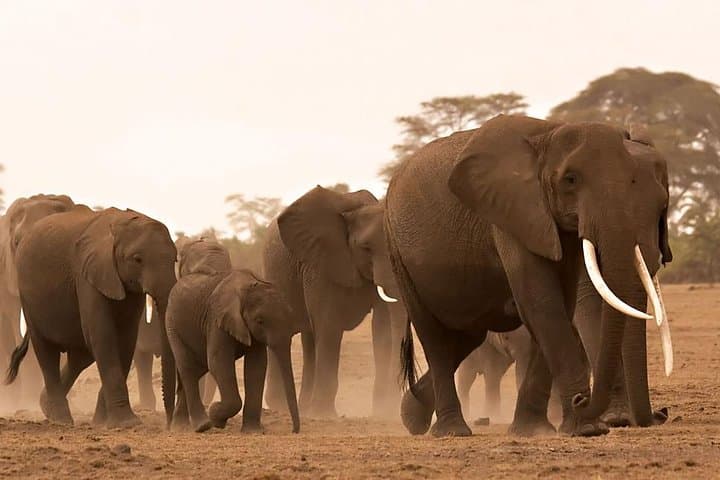


Dawn finds the convoy threading out of Nairobi and down onto the Rift Valley floor, the road unfolding toward the wide grasslands of the Maasai Mara. By afternoon the camp's canvas and low fires puncture the horizon; evening game drives push into long shadows where lions prowl and buffalo graze like living weather. The reserve’s rolling plains sit around 1,500 meters above sea level, carved by the Great Rift Valley’s long tectonic history and shaped by seasonal rivers that dare the wildebeest migrations to cross.
Dawn finds the convoy threading out of Nairobi and down onto the Rift Valley floor, the road unfolding toward the wide grasslands of the Maasai Mara. By afternoon the camp's canvas and low fires puncture the horizon; evening game drives push into long shadows where lions prowl and buffalo graze like living weather. The reserve’s rolling plains sit around 1,500 meters above sea level, carved by the Great Rift Valley’s long tectonic history and shaped by seasonal rivers that dare the wildebeest migrations to cross.
The Maasai Mara is both wildlife arena and cultural landscape. The area is named for the Maasai people—pastoralists whose traditional bomas (manyattas) and vibrant beadwork are part of daily life here—and for the Mara River, famous for dramatic crossings during the Great Migration. Geologically, the Mara’s grasslands owe their form to Rift Valley uplift and volcanic ash soils that feed rich grasses for grazers.
Practical guidance: this is a road safari with two nights at a tourist camp and full-board meals. Expect a 5–6 hour drive from Nairobi (≈275 km) each way on a mix of paved and rough roads; travel is suitable for most fitness levels but can be bumpy. Game drives run in the cooler mornings and late afternoons—pack layers, sun protection, insect repellent, and binoculars. Carry local currency for optional park fees, village visits, and tips. Follow your guide’s instructions around wildlife: keep distance, stay in the vehicle unless invited out, and keep noise low. With modest preparation, this group-joining safari delivers concentrated wildlife viewing, close cultural contact, and the rugged rhythms of East African bush life.