THE ADVENTURE COLLECTIVE® · Independent discovery and booking for outdoor travel

Glide out from Gansbaai for a focused two-hour boat trip where Southern right whales come close to shore. Expect slow, unforgettable surface encounters, clear guidance from crew, and practical tips to make the most of the outing.
Glide out from Gansbaai for a focused two-hour boat trip where Southern right whales come close to shore. Expect slow, unforgettable surface encounters, clear guidance from crew, and practical tips to make the most of the outing.
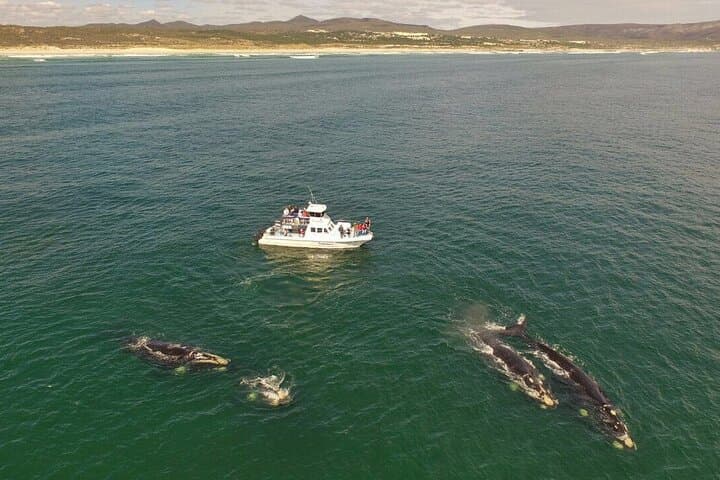
The boat slips free of the quay and the Atlantic lays out like a moving plain of slate; gulls wheel and the cliffs of De Keldar etch a low, stony horizon. Within minutes the engine thins and the ocean’s rhythm takes over — currents push the bow and the sea nudges you toward the whales.
Verified experiences and guided adventures in the surrounding area.
Operated by Eubalaena Sea Safaris CC - Trading as Ivanhoe Sea Safaris · Gansbaai, Western Cape
The boat slips free of the quay and the Atlantic lays out like a moving plain of slate; gulls wheel and the cliffs of De Keldar etch a low, stony horizon. Within minutes the engine thins and the ocean’s rhythm takes over — currents push the bow and the sea nudges you toward the whales.
This two-hour trip focuses on Southern right whales that visit the South African coast between winter and spring to calve and socialize. Geologically, the De Keldar cliffs are worn sandstone and shale, carved by Atlantic swells that funnel marine life into rich feeding and breeding pockets. Culturally, Gansbaai is a compact fishing town with links to both whale-spotting and shark-tourism; locals balance tourism and tradition in a town framed by working harbors.
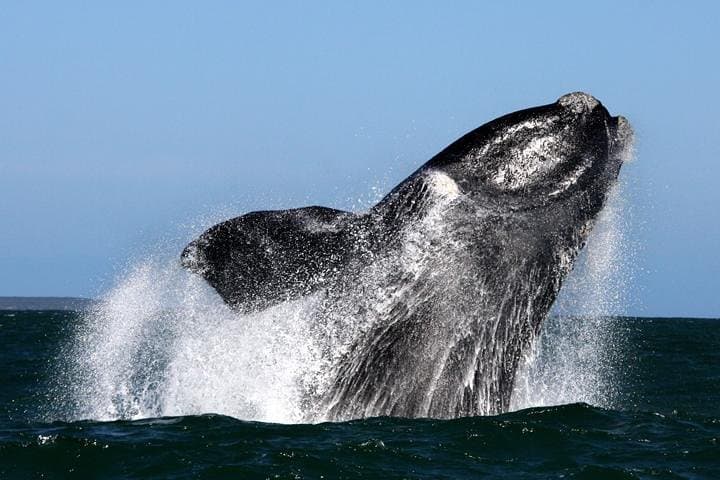
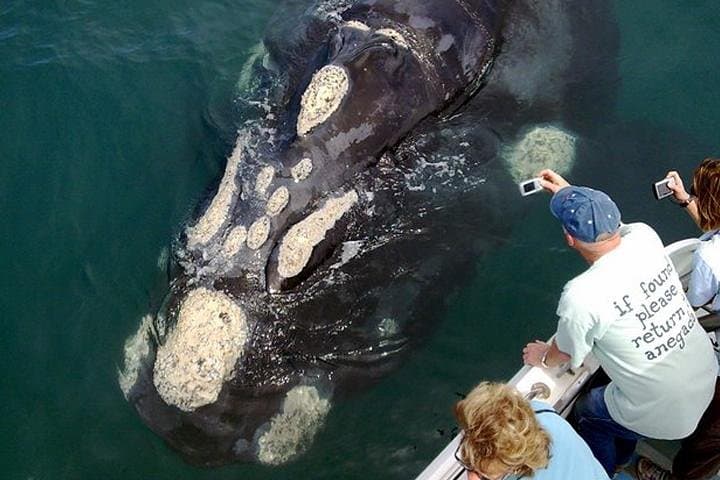
Expect close, slow-moving encounters rather than breaching showboats: mothers with calves, curious surface rolls and flukes. Guides point out seabirds, dolphins and the occasional seal colony near offshore rocks.
Practical guidance: dress warmly in layers and windproof outerwear even on sunny days; the wind off the open ocean can cut sharp. Bring binoculars and a camera with a fast shutter or a good zoom; stabilize shots with the boat’s rail. Seasickness medication taken an hour before departure helps most people. Boats are typically limited in size to avoid overcrowding and maximize sighting chances — book morning slots for calmer seas and sharper light.
easy.
2 hours.
Accessible to most people who can step on and off a small vessel; basic mobility recommended for boarding and moving on deck.
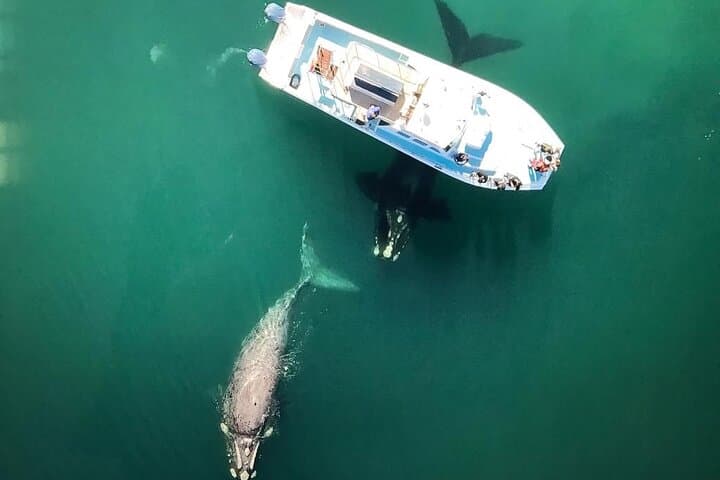
Guides aim for responsible, non-invasive distances; whales often approach within tens of meters but behavior is unpredictable and crew will maintain ethical viewing distances.
Yes—boats are wheelchair and stroller accessible per operator notes, but assistance may be required for boarding; children must be accompanied by an adult.
Common sightings include dolphins, Cape fur seals around offshore rocks, and coastal seabirds such as cormorants and gulls.
Southern right whales are most commonly seen from June to November, peaking in winter and early spring when mothers come to calve close to shore.
Gansbaai grew as a fishing harbor and later a center for marine tourism; the area’s modern economy blends small-scale fishery work with wildlife-based excursions.
Operators follow marine mammal viewing guidelines to minimize disturbance; visitors are asked to avoid single-use plastics and respect wildlife distance to protect breeding whales.
Eubalaena Sea Safaris CC - Trading as Ivanhoe Sea Safaris operates guided outdoor trips and adventures with an emphasis on safety, stewardship, and memorable experiences.
The boat slips free of the quay and the Atlantic lays out like a moving plain of slate; gulls wheel and the cliffs of De Keldar etch a low, stony horizon. Within minutes the engine thins and the ocean’s rhythm takes over — currents push the bow and the sea nudges you toward the whales.
The boat slips free of the quay and the Atlantic lays out like a moving plain of slate; gulls wheel and the cliffs of De Keldar etch a low, stony horizon. Within minutes the engine thins and the ocean’s rhythm takes over — currents push the bow and the sea nudges you toward the whales.
This two-hour trip focuses on Southern right whales that visit the South African coast between winter and spring to calve and socialize. Geologically, the De Keldar cliffs are worn sandstone and shale, carved by Atlantic swells that funnel marine life into rich feeding and breeding pockets. Culturally, Gansbaai is a compact fishing town with links to both whale-spotting and shark-tourism; locals balance tourism and tradition in a town framed by working harbors.
Expect close, slow-moving encounters rather than breaching showboats: mothers with calves, curious surface rolls and flukes. Guides point out seabirds, dolphins and the occasional seal colony near offshore rocks.
Practical guidance: dress warmly in layers and windproof outerwear even on sunny days; the wind off the open ocean can cut sharp. Bring binoculars and a camera with a fast shutter or a good zoom; stabilize shots with the boat’s rail. Seasickness medication taken an hour before departure helps most people. Boats are typically limited in size to avoid overcrowding and maximize sighting chances — book morning slots for calmer seas and sharper light.