THE ADVENTURE COLLECTIVE® · Independent discovery and booking for outdoor travel

Ride a well-trained Egyptian camel across the Red Sea desert for two hours of slow-motion scenery and Bedouin storytelling. Ideal for families and first-time riders, the tour combines panoramic dunes, local history, and practical guidance with hotel transfers included.
Ride a well-trained Egyptian camel across the Red Sea desert for two hours of slow-motion scenery and Bedouin storytelling. Ideal for families and first-time riders, the tour combines panoramic dunes, local history, and practical guidance with hotel transfers included.
You climb into the soft sway of an Egyptian camel as wind lifts grains of sand across the trail. The desert opens around you—low, craggy mountains to the west, sun-bleached dunes to the east—and the animal’s steady gait sets a calm, deliberate tempo for the next two hours.
Verified experiences and guided adventures in the surrounding area.
Operated by Noun Travel · Marsa Alam, Red Sea Governorate
You climb into the soft sway of an Egyptian camel as wind lifts grains of sand across the trail. The desert opens around you—low, craggy mountains to the west, sun-bleached dunes to the east—and the animal’s steady gait sets a calm, deliberate tempo for the next two hours.
This stretch of the Red Sea desert has been a travel corridor for millennia, where Bedouin caravans once moved slowly with goods and stories. The geology is spare but expressive: compacted sand and wind-sculpted ridges that reveal iron-stained strata when the light drops low. Local guides point out telltale footpaths and explain camel husbandry and Bedouin customs, connecting the ride to a living cultural practice rather than a staged photo stop.
Expect long sightlines, pockets of scrub, and the occasional desert bird that rides thermals above the ridge. The guides supply tea and water; camels are well-trained and handlers give a brief safety talk, making the experience approachable for families and first-time riders.
Practical pointers: rides are gentle but sitting on a camel requires core stability and a firm grip during mounting and dismounting. Morning or late-afternoon slots offer softer light and cooler temperatures—midday in summer can be intense. Bring sun protection, a closed-toe shoe, and a small pack for essentials. Photography is rewarding—favor a telephoto or a zoom-capable phone lens to compress the desert’s subtle layers.
By the end of the loop you’ll have simple desert skills: how to balance on a camel, how to read dune shadows, and a clearer sense of the Red Sea’s quieter landscapes.
easy.
2–3 hours.
Suitable for most fitness levels; riders should be able to mount with assistance and sit upright for the duration.
Yes—this tour specifies family-friendly operations and handlers provide assistance; inform the operator of ages during booking so they can prepare infant seats if needed.
Most operators have practical weight or health restrictions for animal welfare—confirm with the provider when you book and disclose any mobility concerns.
Yes, the tour includes hotel pick up and drop off in an air-conditioned vehicle; confirm your pickup point at booking for timing details.
Absolutely—bring a secure strap for cameras or phones and a zoom lens for distant landscape shots; avoid sudden movements that could startle an animal.
Camels and Bedouin travel are intertwined here—these routes echoed traditional caravan paths that linked settlements along the Red Sea trade network.
Operators should follow guidelines to minimize disturbance—avoid leaving trash, stay on established tracks, and respect handler directions to protect sensitive desert vegetation.
Noun Travel operates guided outdoor trips and adventures with an emphasis on safety, stewardship, and memorable experiences.
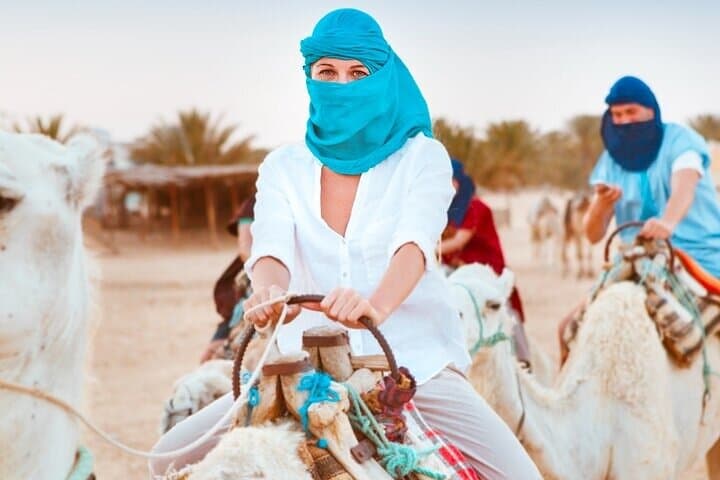

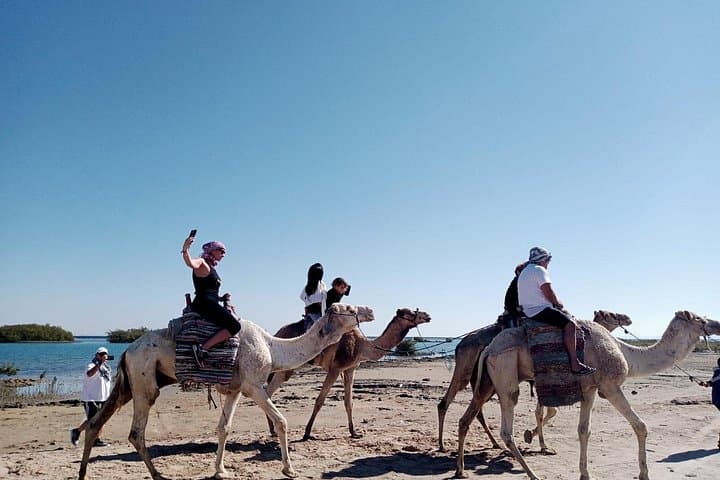
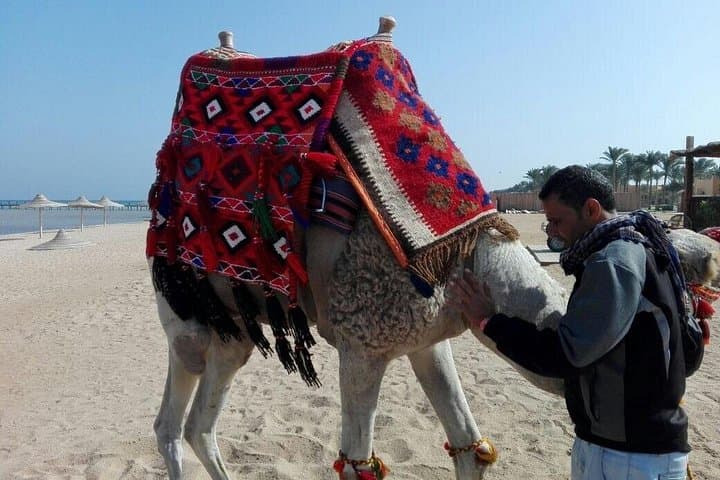
You climb into the soft sway of an Egyptian camel as wind lifts grains of sand across the trail. The desert opens around you—low, craggy mountains to the west, sun-bleached dunes to the east—and the animal’s steady gait sets a calm, deliberate tempo for the next two hours.
You climb into the soft sway of an Egyptian camel as wind lifts grains of sand across the trail. The desert opens around you—low, craggy mountains to the west, sun-bleached dunes to the east—and the animal’s steady gait sets a calm, deliberate tempo for the next two hours.
This stretch of the Red Sea desert has been a travel corridor for millennia, where Bedouin caravans once moved slowly with goods and stories. The geology is spare but expressive: compacted sand and wind-sculpted ridges that reveal iron-stained strata when the light drops low. Local guides point out telltale footpaths and explain camel husbandry and Bedouin customs, connecting the ride to a living cultural practice rather than a staged photo stop.
Expect long sightlines, pockets of scrub, and the occasional desert bird that rides thermals above the ridge. The guides supply tea and water; camels are well-trained and handlers give a brief safety talk, making the experience approachable for families and first-time riders.
Practical pointers: rides are gentle but sitting on a camel requires core stability and a firm grip during mounting and dismounting. Morning or late-afternoon slots offer softer light and cooler temperatures—midday in summer can be intense. Bring sun protection, a closed-toe shoe, and a small pack for essentials. Photography is rewarding—favor a telephoto or a zoom-capable phone lens to compress the desert’s subtle layers.
By the end of the loop you’ll have simple desert skills: how to balance on a camel, how to read dune shadows, and a clearer sense of the Red Sea’s quieter landscapes.