THE ADVENTURE COLLECTIVE® · Independent discovery and booking for outdoor travel

Walk the winding alleys of Stone Town and spend a day in a working spice farm on this two-day, all-inclusive tour. Experience Swahili history, sample local dishes, and support village livelihoods while learning about Zanzibar’s unique geology and agricultural traditions.
Walk the winding alleys of Stone Town and spend a day in a working spice farm on this two-day, all-inclusive tour. Experience Swahili history, sample local dishes, and support village livelihoods while learning about Zanzibar’s unique geology and agricultural traditions.
You arrive as the sun drops gold across a narrow alley, and the air thickens with clove and cooked tomato. Stone Town’s carved wooden doors and coral-stone facades lean close, forcing you into an intimate rhythm of steps and smells. Your guide Ali leads the way, reading the lanes like a local atlas—each corner a doorway into centuries of trade, religion, and migration.
Verified experiences and guided adventures in the surrounding area.
Operated by Small World Social Travel · Stone Town (Zanzibar City), Unguja
You arrive as the sun drops gold across a narrow alley, and the air thickens with clove and cooked tomato. Stone Town’s carved wooden doors and coral-stone facades lean close, forcing you into an intimate rhythm of steps and smells. Your guide Ali leads the way, reading the lanes like a local atlas—each corner a doorway into centuries of trade, religion, and migration.
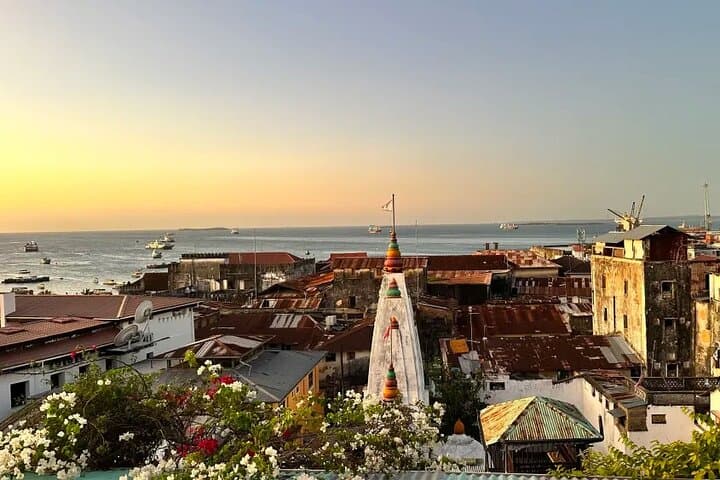
Stone Town is a UNESCO-listed core of Swahili culture shaped by Omani, Persian, Indian and European influences; its coral rag architecture and layered balconies tell a history of maritime commerce and, darkerly, the island’s role in the Indian Ocean slave trade. Geologically, Unguja is a coral island ringed by white sand beaches and mangrove flats; inland spice farms grow in the thin, fertile soils that support cloves, cinnamon, black pepper and nutmeg.
Day two unfolds among spice trees and village kitchens. On the farm you’ll taste fresh coconut water, learn how spices are cultivated and watch local women prepare a communal lunch—an immediate, tangible way to contribute to livelihoods.
Practical guidance: two full days of walking and short drives; comfortable shoes for cobbles and farm paths are essential. Bring sunscreen, a reusable bottle, and insect repellent; expect warm, humid conditions and midday crowds in Stone Town. Photography is welcome but ask before shooting people.
This trip balances historical context and hands-on rural exchange: it’s not a wilderness expedition but a coastal cultural immersion that rewards curiosity, respectful interaction, and basic preparedness.
moderate.
2 days.
Moderate fitness for walking on uneven streets and short farm trails; able to stand for guided tours and climb stairs.
Yes—guides typically meet you at Abeid Amani Karume International Airport or the ferry terminal and provide private transfers to your hotel.
Yes—breakfast, lunch and dinner are included per the itinerary, with the second-day lunch often prepared by local women on the spice farm.
The tour involves walking on uneven streets and farm paths and is not recommended for travelers with serious mobility limitations or spinal/heart conditions.
Tanzanian shillings are commonly used locally; credit cards are limited in small vendors. Tipping guides and drivers (5–10% or small cash) is appreciated for local livelihoods.
Stone Town grew as a trading hub where African, Arab, Persian and Indian cultures met; many buildings date from the 18th–19th centuries and reflect Omani influence.
Support community-run experiences and avoid single-use plastics; many farms rely on sustainable spice cultivation and benefit directly when visitors purchase local products.
Small World Social Travel operates guided outdoor trips and adventures with an emphasis on safety, stewardship, and memorable experiences.

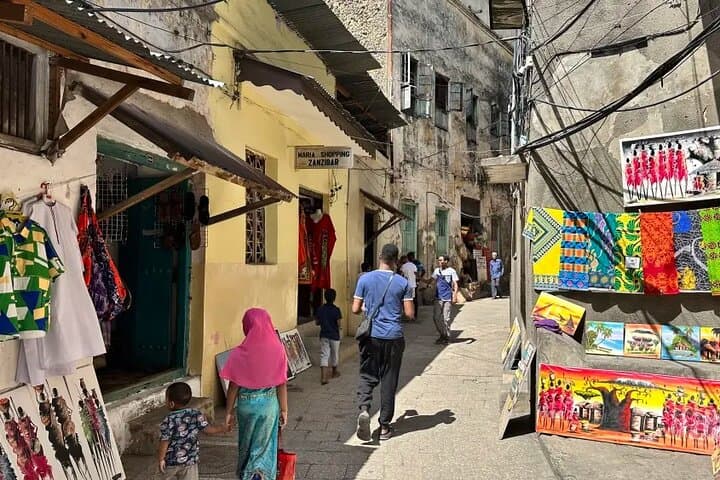

You arrive as the sun drops gold across a narrow alley, and the air thickens with clove and cooked tomato. Stone Town’s carved wooden doors and coral-stone facades lean close, forcing you into an intimate rhythm of steps and smells. Your guide Ali leads the way, reading the lanes like a local atlas—each corner a doorway into centuries of trade, religion, and migration.
You arrive as the sun drops gold across a narrow alley, and the air thickens with clove and cooked tomato. Stone Town’s carved wooden doors and coral-stone facades lean close, forcing you into an intimate rhythm of steps and smells. Your guide Ali leads the way, reading the lanes like a local atlas—each corner a doorway into centuries of trade, religion, and migration.
Stone Town is a UNESCO-listed core of Swahili culture shaped by Omani, Persian, Indian and European influences; its coral rag architecture and layered balconies tell a history of maritime commerce and, darkerly, the island’s role in the Indian Ocean slave trade. Geologically, Unguja is a coral island ringed by white sand beaches and mangrove flats; inland spice farms grow in the thin, fertile soils that support cloves, cinnamon, black pepper and nutmeg.
Day two unfolds among spice trees and village kitchens. On the farm you’ll taste fresh coconut water, learn how spices are cultivated and watch local women prepare a communal lunch—an immediate, tangible way to contribute to livelihoods.
Practical guidance: two full days of walking and short drives; comfortable shoes for cobbles and farm paths are essential. Bring sunscreen, a reusable bottle, and insect repellent; expect warm, humid conditions and midday crowds in Stone Town. Photography is welcome but ask before shooting people.
This trip balances historical context and hands-on rural exchange: it’s not a wilderness expedition but a coastal cultural immersion that rewards curiosity, respectful interaction, and basic preparedness.