THE ADVENTURE COLLECTIVE® · Independent discovery and booking for outdoor travel

A compact two-day crossing from Zagora to the vast dunes of Erg Chegaga: sunrise camel rides, a night in a desert bivouac, and visits to Tamgroute and M'hamid. Expect big dunes, clear skies, and hands-on Berber hospitality.
A compact two-day crossing from Zagora to the vast dunes of Erg Chegaga: sunrise camel rides, a night in a desert bivouac, and visits to Tamgroute and M'hamid. Expect big dunes, clear skies, and hands-on Berber hospitality.
You stand on the crest of a dune as late light pushes across the Sahara, wind polishing sand into a living map. The 4x4 drops you at the edge of Erg Chegaga and the world narrows to the rhythm of camels and the crackle of campfire. Nights are cold and blazingly clear; the Milky Way feels close enough to touch.
Verified experiences and guided adventures in the surrounding area.
Operated by KARIM SAHARA PRESTIGE · Zagora, Drâa-Tafilalet
You stand on the crest of a dune as late light pushes across the Sahara, wind polishing sand into a living map. The 4x4 drops you at the edge of Erg Chegaga and the world narrows to the rhythm of camels and the crackle of campfire. Nights are cold and blazingly clear; the Milky Way feels close enough to touch.
The route from Zagora threads through palm-lined oases of the Draa Valley, past Tamgroute’s 17th-century Koranic library and the adobe kasbahs that mark centuries of Trans-Saharan trade. Geologically, the erg is a vast sea of wind-blown sand—dunes rising to roughly 200–300 meters and extending for tens of kilometers—shaped by northerly and southerly winds into shifting ridgelines.
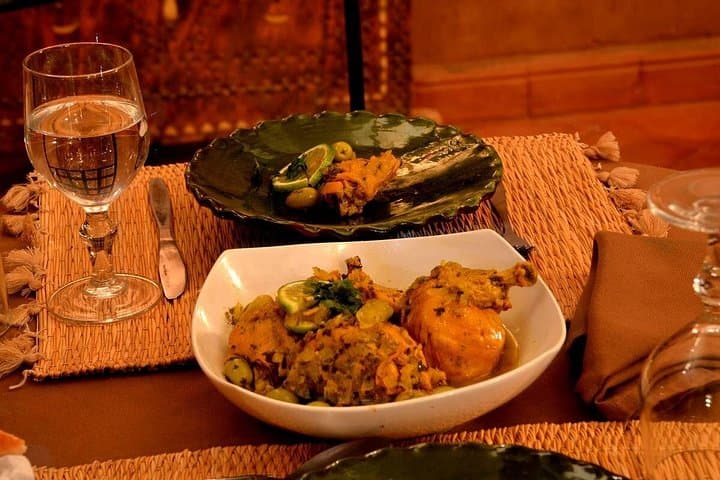
Culturally, local guides share Mauresque and Berber songs at night and traditional hospitality in a bivouac tent. Expect simple meals, cooked over coals, and a camel trek timed for sunrise and sunset light.
Practical guidance: plan for temperature swings (hot days, cold nights), bring layered clothing, and carry at least 2–3 liters of water per person per day. Vehicles handle the rough tracks; expect long drives on sandy plains and occasional soft sand requiring deflation of tires. Comfortable boots, sun protection, and a small daypack for dawn camel rides make the trip smoother.
The itinerary suits travelers who want an immersive desert night without extended time on the road—two days that combine landscape, history, and an overnight under the stars.
moderate.
2 days (approx. 48 hours).
Suitable for travelers in reasonable health who can handle short camel rides, walking on uneven sand, and extended vehicle transfers.
The driven route typically takes 4–6 hours depending on stops and road conditions; expect sections over sandy tracks that slow progress.
Yes—short camel treks at sunrise or sunset (about 30–60 minutes) are commonly included as part of the bivouac experience.
Tents are traditional nomad-style or standard canvas; bedding is provided but amenities are basic—expect shared ablution facilities or simple camp showers.
Short children can join, but camel rides and sand terrain may be challenging; discuss specific mobility needs with the operator in advance.
The Draa Valley was a historic caravan corridor connecting sub-Saharan Africa to Moroccan trading towns; kasbahs and libraries reflect the region’s role in trade and Islamic scholarship.
The Sahara’s fragile dune ecosystems are sensitive to vehicle tracks and campfire impact; stick to marked routes, minimize waste, and follow local guide instructions.
KARIM SAHARA PRESTIGE operates guided outdoor trips and adventures with an emphasis on safety, stewardship, and memorable experiences.
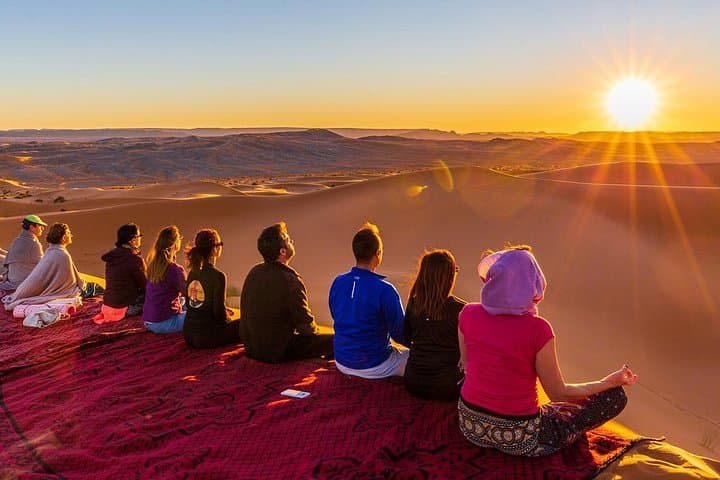
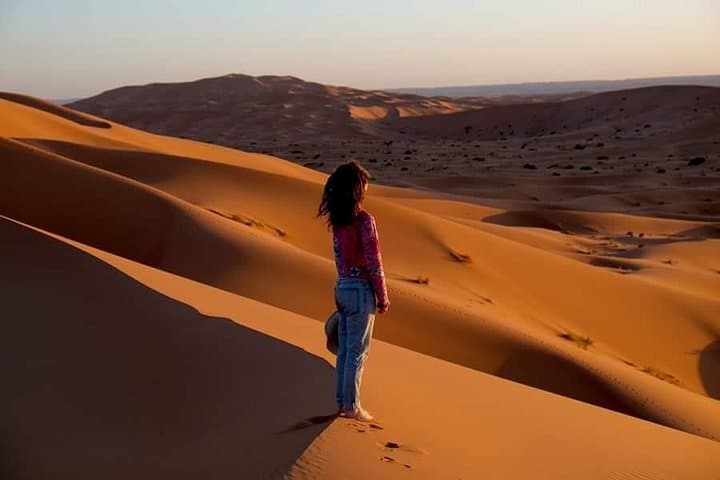
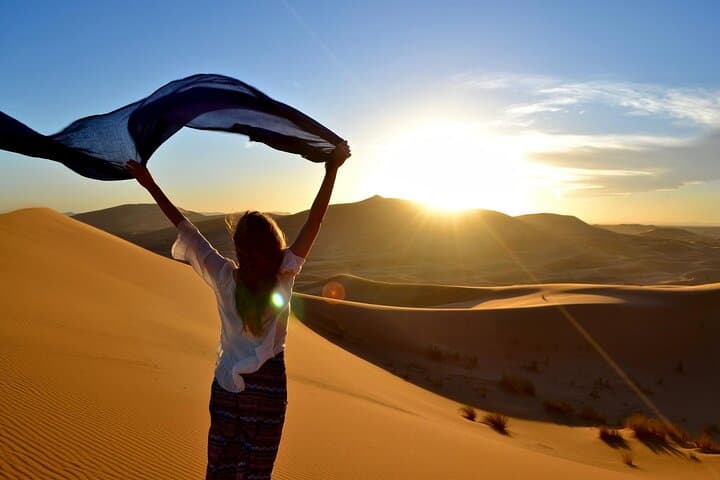
You stand on the crest of a dune as late light pushes across the Sahara, wind polishing sand into a living map. The 4x4 drops you at the edge of Erg Chegaga and the world narrows to the rhythm of camels and the crackle of campfire. Nights are cold and blazingly clear; the Milky Way feels close enough to touch.
You stand on the crest of a dune as late light pushes across the Sahara, wind polishing sand into a living map. The 4x4 drops you at the edge of Erg Chegaga and the world narrows to the rhythm of camels and the crackle of campfire. Nights are cold and blazingly clear; the Milky Way feels close enough to touch.
The route from Zagora threads through palm-lined oases of the Draa Valley, past Tamgroute’s 17th-century Koranic library and the adobe kasbahs that mark centuries of Trans-Saharan trade. Geologically, the erg is a vast sea of wind-blown sand—dunes rising to roughly 200–300 meters and extending for tens of kilometers—shaped by northerly and southerly winds into shifting ridgelines.
Culturally, local guides share Mauresque and Berber songs at night and traditional hospitality in a bivouac tent. Expect simple meals, cooked over coals, and a camel trek timed for sunrise and sunset light.
Practical guidance: plan for temperature swings (hot days, cold nights), bring layered clothing, and carry at least 2–3 liters of water per person per day. Vehicles handle the rough tracks; expect long drives on sandy plains and occasional soft sand requiring deflation of tires. Comfortable boots, sun protection, and a small daypack for dawn camel rides make the trip smoother.
The itinerary suits travelers who want an immersive desert night without extended time on the road—two days that combine landscape, history, and an overnight under the stars.