THE ADVENTURE COLLECTIVE® · Independent discovery and booking for outdoor travel

A compact, private two‑day route from Agadir to the Zagora desert that pairs a sunset camel trek with a night in a Berber camp. Expect long scenic drives, Draa Valley palms, traditional food, and clear desert skies.
A compact, private two‑day route from Agadir to the Zagora desert that pairs a sunset camel trek with a night in a Berber camp. Expect long scenic drives, Draa Valley palms, traditional food, and clear desert skies.
You step out of the air‑conditioned minibus as the light thins and the desert leans into evening—wind carving long shadows from the dunes, a single camel string punctuating the horizon. The road from Agadir loosens its coastal grip and, after hours of changing olive groves and ochre plateaus, the Draa Valley opens: a corridor of palms and adobe villages that lead toward Zagora’s simpler sky.
Verified experiences and guided adventures in the surrounding area.
Operated by Mbarek Ait Khouya · Zagora, Drâa-Tafilalet
You step out of the air‑conditioned minibus as the light thins and the desert leans into evening—wind carving long shadows from the dunes, a single camel string punctuating the horizon. The road from Agadir loosens its coastal grip and, after hours of changing olive groves and ochre plateaus, the Draa Valley opens: a corridor of palms and adobe villages that lead toward Zagora’s simpler sky.
This two‑day route follows centuries of caravan traffic where Berber communities raised fortified kasbahs and cultivated date palms along seasonal rivers. Geologically, the region is an interface between Atlas foothills and Sahara sands; you’ll notice rounded escarpments and layered alluvial fans that tell of episodic floods long before modern roads.
Culturally, expect warm hospitality—tea rituals, argan cooperatives near Taroudant, and traditional drumming at the camp after dinner. The desert camp is basic but comfortable: canvas or nomadic tents, communal dinner, and a night sky so clear you can orient by Milky Way.
Practicalities matter here. Days are largely made of driving interspersed with short walks and a 45–60 minute camel ride timed for sunset. Pack sun protection, bring a refillable water bottle, and prepare for large temperature swings between afternoon and pre‑dawn. Mobility needs are low but expect unpaved surfaces and sand underfoot. If travel timing is tight, confirm pickup times and luggage limits—this is a private, multi‑day transfer with included meals and a local guide who handles logistics, allowing you to focus on the landscape, the music, and the slow rhythm of the desert night.
moderate.
2 days (≈48 hours).
Suitable for travelers who can tolerate long vehicle transfers and short camel rides; minimal hiking required.
Expect long stretches in a private, air‑conditioned vehicle—most of the trip is transfer between Agadir, Taroudant, Zagora and back, broken up by sightseeing stops.
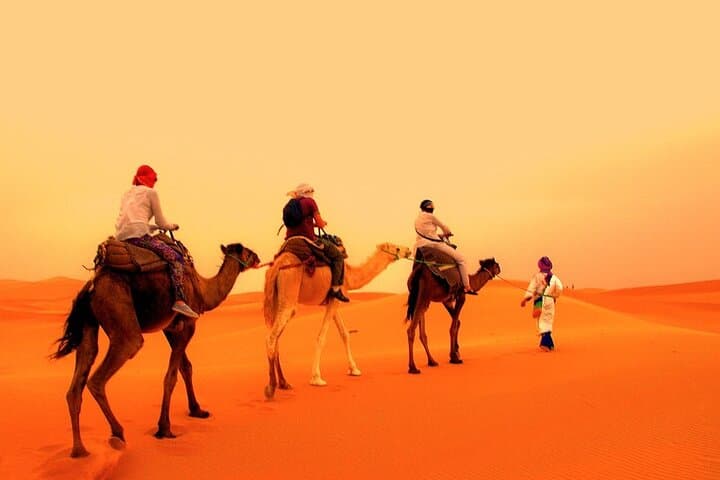
The camel trek is short (about 45–60 minutes) and slow; most people can ride it, but notify the operator if you have mobility concerns so they can assist mounting and dismounting.
Camps are traditional and comfortable—basic tents or nomadic structures, shared dining, and local blankets; expect simple facilities rather than luxury amenities.
The itinerary includes dinner at the camp and breakfast; bring extra snacks and any preferred beverages, and confirm dietary needs in advance.
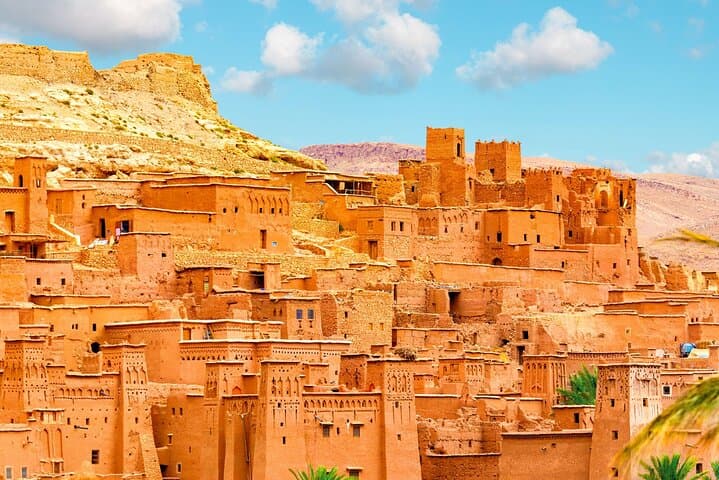
The route follows historic caravan paths linking the High Atlas to Saharan trade routes; Berber villages along the way preserve traditional kasbah architecture and local crafts.
The desert is a fragile environment—stick to established camps and tracks, minimize firewood use, and support local cooperatives to ensure benefits reach communities.
Mbarek Ait Khouya operates guided outdoor trips and adventures with an emphasis on safety, stewardship, and memorable experiences.
You step out of the air‑conditioned minibus as the light thins and the desert leans into evening—wind carving long shadows from the dunes, a single camel string punctuating the horizon. The road from Agadir loosens its coastal grip and, after hours of changing olive groves and ochre plateaus, the Draa Valley opens: a corridor of palms and adobe villages that lead toward Zagora’s simpler sky.
You step out of the air‑conditioned minibus as the light thins and the desert leans into evening—wind carving long shadows from the dunes, a single camel string punctuating the horizon. The road from Agadir loosens its coastal grip and, after hours of changing olive groves and ochre plateaus, the Draa Valley opens: a corridor of palms and adobe villages that lead toward Zagora’s simpler sky.
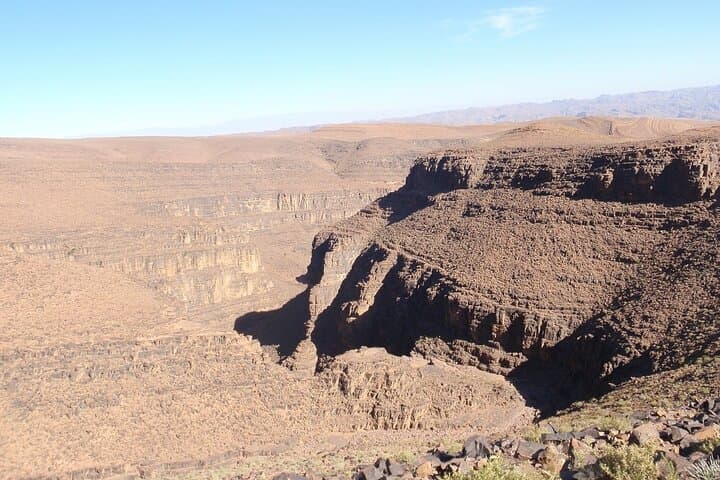
This two‑day route follows centuries of caravan traffic where Berber communities raised fortified kasbahs and cultivated date palms along seasonal rivers. Geologically, the region is an interface between Atlas foothills and Sahara sands; you’ll notice rounded escarpments and layered alluvial fans that tell of episodic floods long before modern roads.
Culturally, expect warm hospitality—tea rituals, argan cooperatives near Taroudant, and traditional drumming at the camp after dinner. The desert camp is basic but comfortable: canvas or nomadic tents, communal dinner, and a night sky so clear you can orient by Milky Way.
Practicalities matter here. Days are largely made of driving interspersed with short walks and a 45–60 minute camel ride timed for sunset. Pack sun protection, bring a refillable water bottle, and prepare for large temperature swings between afternoon and pre‑dawn. Mobility needs are low but expect unpaved surfaces and sand underfoot. If travel timing is tight, confirm pickup times and luggage limits—this is a private, multi‑day transfer with included meals and a local guide who handles logistics, allowing you to focus on the landscape, the music, and the slow rhythm of the desert night.