THE ADVENTURE COLLECTIVE® · Independent discovery and booking for outdoor travel

Cross the High Atlas for a compact 48-hour desert escape: Ait Ben Haddou, Ouarzazate film studios and a camel-led night in a Berber bivouac near Zagora. Ideal for travelers wanting culture, dunes and a hands-on introduction to Morocco’s southern landscapes.
Cross the High Atlas for a compact 48-hour desert escape: Ait Ben Haddou, Ouarzazate film studios and a camel-led night in a Berber bivouac near Zagora. Ideal for travelers wanting culture, dunes and a hands-on introduction to Morocco’s southern landscapes.
Dust from the High Atlas clings to the minivan windows as the road folds down toward the ochre plains. By late afternoon the last village gives way to open desert; camels silhouette the horizon and the camp lanterns begin to glow. On this two-day route travelers cross mountain passes, visit the kasbah at Ait Ben Haddou, pause for film-set views at Ouarzazate and ride out into Zagora’s dunes to spend a night in a Berber bivouac.
Verified experiences and guided adventures in the surrounding area.
Operated by Marrakesh Travel Services · Zagora, Drâa-Tafilalet
Dust from the High Atlas clings to the minivan windows as the road folds down toward the ochre plains. By late afternoon the last village gives way to open desert; camels silhouette the horizon and the camp lanterns begin to glow. On this two-day route travelers cross mountain passes, visit the kasbah at Ait Ben Haddou, pause for film-set views at Ouarzazate and ride out into Zagora’s dunes to spend a night in a Berber bivouac.
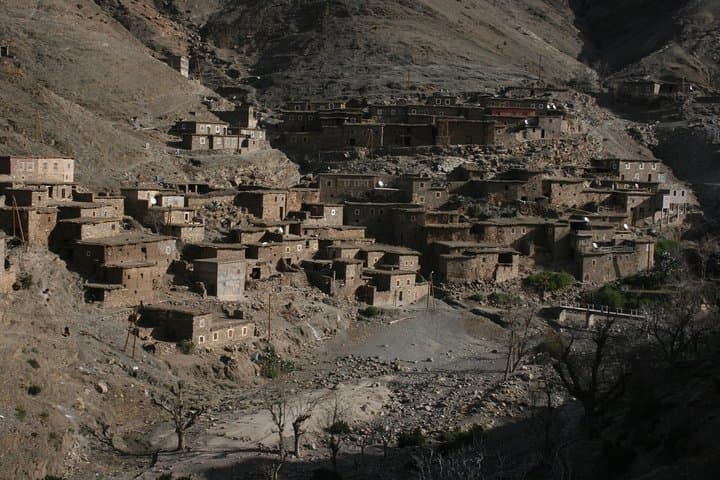
The itinerary threads history and geology: Ait Ben Haddou’s mud-brick towers speak to trans-Saharan trade and Kasbah architecture, while the High Atlas—formed by tectonic uplift—forces weather changes that shape the valleys below. Local guides bring cultural context: Berber hospitality, shared tagine dinners and pre-dawn tea before a sunrise camel ride back to camp.
Practically, the tour is a compact mix of driving and light activity. Roads through the Atlas involve many photo stops; camel time is guided and gently paced. Desert nights swing cold, daytime sun can be fierce and sand demands stable footwear. Expect basic tent accommodation, traditional dinner, and hotel pickup from Marrakech.
Plan for hydration, sun protection and layers. Bring small-change dirham for optional studio visits or souvenirs. The reward is simple: a slow walk across sand as the sky shifts color and the desert seems to push you forward, quietly insisting you slow down and look.
NearbyCity: Marrakech is the usual base for departures; Zagora provides the desert gateway and the overnight camp experience.
moderate.
2 days (approximately 48 hours).
Suitable for travelers with basic mobility; must be able to mount/dismount camels and handle short walks on sand and uneven ground.
No—guides provide basic instruction and the camel rides are slow and short for beginners; children may have additional restrictions.
Expect traditional tents with communal dining, simple sleeping arrangements and basic wash facilities—comfortable but rustic.
Yes—pickup and drop-off in Marrakech are included; you choose a pickup point when booking.
Dinner and Berber breakfast are included; bottled water is typically available but bring extra if you prefer more between stops.
Ait Ben Haddou and Ouarzazate grew as caravan and film-trade hubs; the mud-brick kasbahs reflect centuries of Southern Moroccan architecture and Saharan trade routes.
Stick to established paths and camp rules to limit erosion and waste; local guides often follow community-led practices for water use and responsible tourism.
Marrakesh Travel Services operates guided outdoor trips and adventures with an emphasis on safety, stewardship, and memorable experiences.
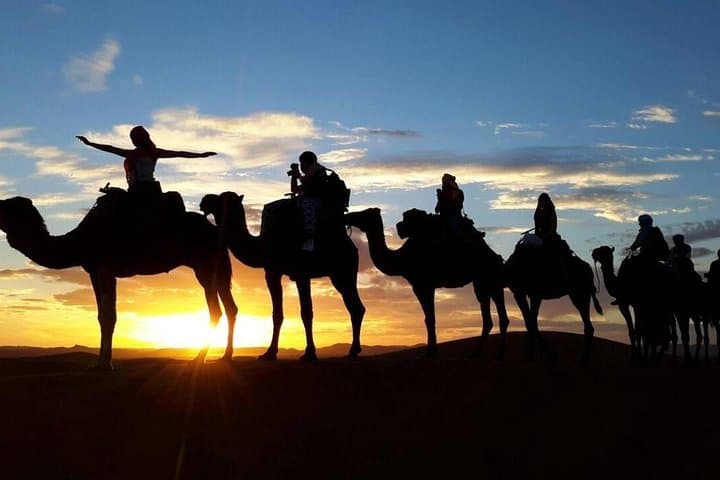


Dust from the High Atlas clings to the minivan windows as the road folds down toward the ochre plains. By late afternoon the last village gives way to open desert; camels silhouette the horizon and the camp lanterns begin to glow. On this two-day route travelers cross mountain passes, visit the kasbah at Ait Ben Haddou, pause for film-set views at Ouarzazate and ride out into Zagora’s dunes to spend a night in a Berber bivouac.
Dust from the High Atlas clings to the minivan windows as the road folds down toward the ochre plains. By late afternoon the last village gives way to open desert; camels silhouette the horizon and the camp lanterns begin to glow. On this two-day route travelers cross mountain passes, visit the kasbah at Ait Ben Haddou, pause for film-set views at Ouarzazate and ride out into Zagora’s dunes to spend a night in a Berber bivouac.
The itinerary threads history and geology: Ait Ben Haddou’s mud-brick towers speak to trans-Saharan trade and Kasbah architecture, while the High Atlas—formed by tectonic uplift—forces weather changes that shape the valleys below. Local guides bring cultural context: Berber hospitality, shared tagine dinners and pre-dawn tea before a sunrise camel ride back to camp.
Practically, the tour is a compact mix of driving and light activity. Roads through the Atlas involve many photo stops; camel time is guided and gently paced. Desert nights swing cold, daytime sun can be fierce and sand demands stable footwear. Expect basic tent accommodation, traditional dinner, and hotel pickup from Marrakech.
Plan for hydration, sun protection and layers. Bring small-change dirham for optional studio visits or souvenirs. The reward is simple: a slow walk across sand as the sky shifts color and the desert seems to push you forward, quietly insisting you slow down and look.
NearbyCity: Marrakech is the usual base for departures; Zagora provides the desert gateway and the overnight camp experience.