THE ADVENTURE COLLECTIVE® · Independent discovery and booking for outdoor travel

A compact, private two-day journey from Marrakech across the High Atlas to Zagora’s dunes—ride camels at sunset, sleep in a desert bivouac, and return via the Draa Valley. Perfect for travelers who want a genuine Sahara experience without a long caravan trek.
A compact, private two-day journey from Marrakech across the High Atlas to Zagora’s dunes—ride camels at sunset, sleep in a desert bivouac, and return via the Draa Valley. Perfect for travelers who want a genuine Sahara experience without a long caravan trek.
You leave Marrakech before dawn, the city lights dwindling as the road climbs the High Atlas. The Tizi n'Tichka pass unfurls in hairpin turns; wind and stone dare you forward while the air thins and the landscape opens into ochre plateaus. By late afternoon camels shoulder you across rippled dunes toward a low-lit bivouac where a rudimentary tent and a simple dinner await beneath a dark, clear sky.
Verified experiences and guided adventures in the surrounding area.
Operated by MARRAKECH BEST TRIPS · Zagora, Marrakesh-Safi
You leave Marrakech before dawn, the city lights dwindling as the road climbs the High Atlas. The Tizi n'Tichka pass unfurls in hairpin turns; wind and stone dare you forward while the air thins and the landscape opens into ochre plateaus. By late afternoon camels shoulder you across rippled dunes toward a low-lit bivouac where a rudimentary tent and a simple dinner await beneath a dark, clear sky.
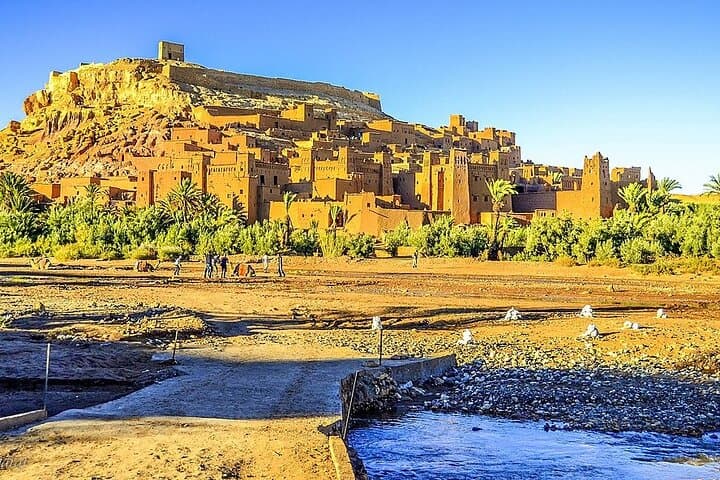
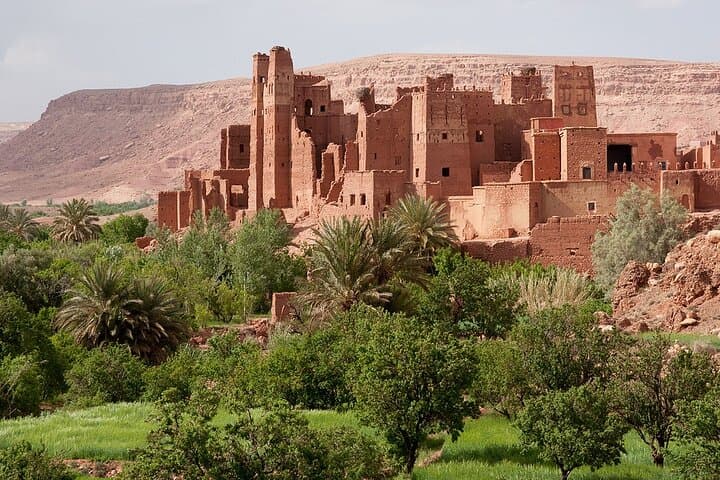
This route threads centuries of trade and film history—Aït Ben Haddou’s mud-brick kasbahs stood guard over caravan paths and now appear in cinema frames, while Ouarzazate grew as Morocco’s film town on an arid plain. Geologically, the drive transitions from folded Atlas ranges to the alluvial plains of the Draa Valley and finally wind-sculpted dunes on Zagora’s margins. Local Berber communities keep hospitality and storytelling alive; expect polite exchanges and traditional mint tea at stops.
Practically, the tour is a travel day followed by an evening and night in a nomadic-style bivouac with camel transfers to and from the dunes. Temperatures swing—hot sun by day, sharp cool after sunset—so layer. Bring a small daypack, plenty of water, personal medications, and a camera with spare batteries; phone signal is intermittent outside towns. The driver handles the road, but camel saddles require basic balance and flexibility. Sunrise is optional but worth the early rise if you can. For travelers seeking a compact Sahara experience without extended trekking, this two-day itinerary delivers wide desert skies and an accessible taste of remote Morocco.
moderate.
2 days (approx. 10–12 hours driving total).
Suitable for travelers in average fitness—able to mount a camel and walk short distances in sand; not physically demanding otherwise.
Camel rides are short (typically 30–60 minutes). You need basic balance to mount and sit; guides assist and pace the group gently.
The tour includes dinner and breakfast, a tented sleeping area in a nomadic-style bivouac, and shuttle transfers—bring a warm sleeping layer in colder months.
The tour involves vehicle transfers and camel mounting which can be difficult for those with limited mobility; contact the operator to discuss accommodations or alternative arrangements.
Tipping is customary in Morocco; a small tip for the driver and camel handlers is appreciated but not mandatory—use local currency (dirham).
The route follows historic caravan corridors and passes by Aït Ben Haddou, a fortified ksar that guarded trade and later served as a film location.
Water is scarce—minimize plastic waste and pack out what you bring; support local guides who follow low-impact bivouac practices.
MARRAKECH BEST TRIPS operates guided outdoor trips and adventures with an emphasis on safety, stewardship, and memorable experiences.
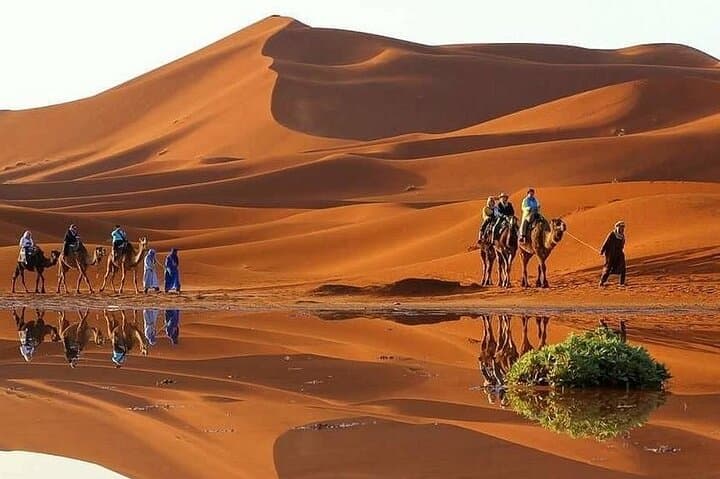
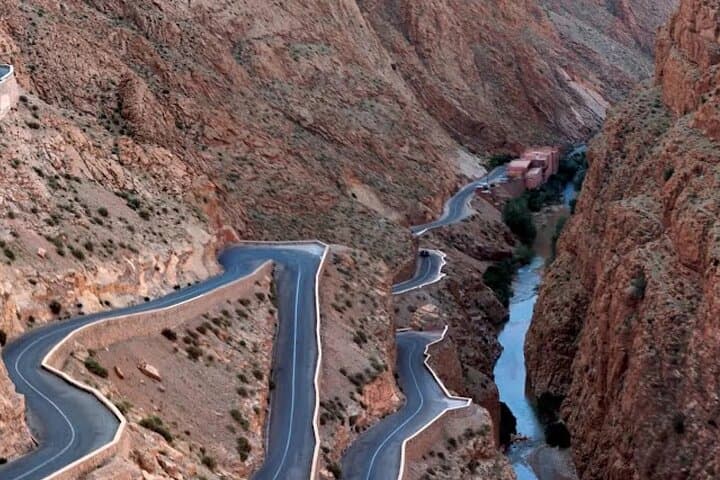
You leave Marrakech before dawn, the city lights dwindling as the road climbs the High Atlas. The Tizi n'Tichka pass unfurls in hairpin turns; wind and stone dare you forward while the air thins and the landscape opens into ochre plateaus. By late afternoon camels shoulder you across rippled dunes toward a low-lit bivouac where a rudimentary tent and a simple dinner await beneath a dark, clear sky.
You leave Marrakech before dawn, the city lights dwindling as the road climbs the High Atlas. The Tizi n'Tichka pass unfurls in hairpin turns; wind and stone dare you forward while the air thins and the landscape opens into ochre plateaus. By late afternoon camels shoulder you across rippled dunes toward a low-lit bivouac where a rudimentary tent and a simple dinner await beneath a dark, clear sky.
This route threads centuries of trade and film history—Aït Ben Haddou’s mud-brick kasbahs stood guard over caravan paths and now appear in cinema frames, while Ouarzazate grew as Morocco’s film town on an arid plain. Geologically, the drive transitions from folded Atlas ranges to the alluvial plains of the Draa Valley and finally wind-sculpted dunes on Zagora’s margins. Local Berber communities keep hospitality and storytelling alive; expect polite exchanges and traditional mint tea at stops.
Practically, the tour is a travel day followed by an evening and night in a nomadic-style bivouac with camel transfers to and from the dunes. Temperatures swing—hot sun by day, sharp cool after sunset—so layer. Bring a small daypack, plenty of water, personal medications, and a camera with spare batteries; phone signal is intermittent outside towns. The driver handles the road, but camel saddles require basic balance and flexibility. Sunrise is optional but worth the early rise if you can. For travelers seeking a compact Sahara experience without extended trekking, this two-day itinerary delivers wide desert skies and an accessible taste of remote Morocco.